
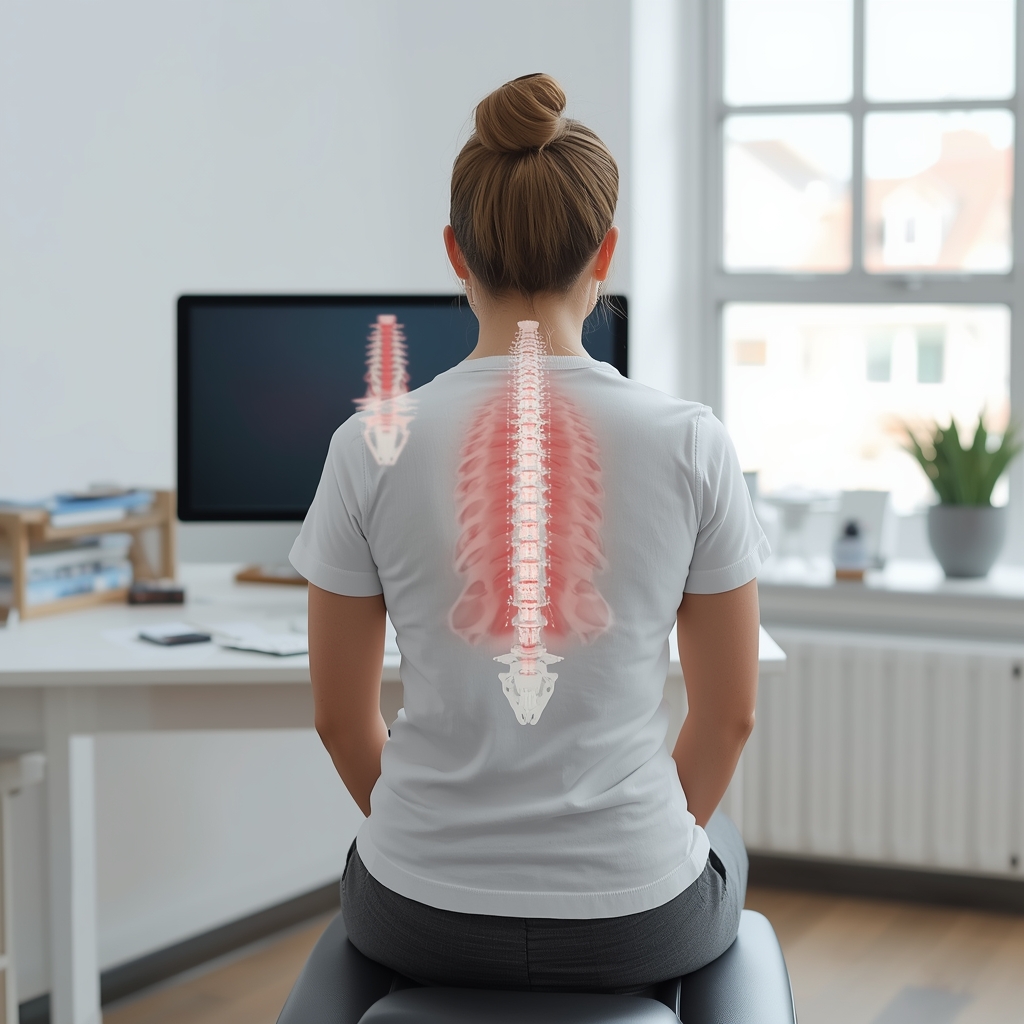
Limitations of Physical Examination in Virtual Settings
Virtual chiropractic assessments face a fundamental challenge: the inability to conduct hands-on physical exams. Without direct palpation, muscle tension, joint mobility, or spinal alignment can be difficult to evaluate accurately. Patients may also struggle to demonstrate movements or describe symptoms effectively. Chiropractors must rely on visual cues and patient descriptions, which can lead to incomplete data. To mitigate this, practitioners can use guided self-assessments, such as asking patients to perform specific movements or describe pain locations. Follow-up in-person visits or hybrid models may also help confirm findings. Clear communication about limitations ensures patients understand the scope of virtual evaluations.
Communication Barriers and Patient Clarity
Effective communication is critical in virtual assessments, but language differences, technical jargon, or unclear instructions can hinder understanding. Patients may misinterpret questions or fail to convey symptoms accurately, leading to diagnostic uncertainty. Chiropractors should simplify language, use visual aids, and confirm comprehension through follow-up questions. Providing written summaries or step-by-step guides can reinforce key points. Additionally, leveraging video calls allows for real-time feedback and clarification. Establishing a rapport through empathetic listening helps patients feel heard, improving the accuracy of their self-reported information.
Technology Limitations and Connectivity Issues
Technical challenges like poor internet connectivity, low-quality video, or incompatible software can disrupt virtual consultations. These issues may prevent chiropractors from observing patient movements or assessing posture effectively. Practitioners should recommend reliable platforms, test equipment beforehand, and provide troubleshooting tips. Backup plans, such as phone follow-ups, ensure continuity if technology fails. Investing in user-friendly tools and educating patients on optimal setup can minimize disruptions. Regularly updating software and hardware also enhances the reliability of virtual assessments.
Patient Positioning and Movement Assessment
Assessing posture and movement patterns virtually is challenging, as patients may not position themselves correctly or have limited space. This can obscure issues like spinal curvature or gait abnormalities. Chiropractors can guide patients through specific positioning techniques, such as standing against a wall or using a mirror. Encouraging patients to record movements in advance allows for detailed review. Additionally, using apps that track motion or provide posture feedback may supplement virtual evaluations. Clear instructions and patience help patients navigate these challenges effectively.
Documentation and Record-Keeping Challenges
Virtual assessments complicate accurate documentation, as notes may lack the detail of in-person exams. Incomplete records risk misdiagnosis or inconsistent care. Chiropractors should use structured templates to capture patient history, symptoms, and observed movements. Secure, cloud-based systems enable real-time updates and easy access. Regularly reviewing and updating records ensures continuity, especially for follow-up visits. Training staff on efficient documentation practices also improves accuracy, supporting comprehensive patient care.
Building Trust and Ensuring Patient Engagement
Virtual interactions may reduce the personal connection essential for trust-building. Patients might question the effectiveness of remote care or feel less accountable. Chiropractors can foster trust by maintaining transparency about limitations and emphasizing evidence-based approaches. Regular check-ins, personalized care plans, and educational resources strengthen patient engagement. Encouraging open dialogue and addressing concerns promptly also reinforces credibility. Ultimately, combining virtual convenience with empathetic communication helps maintain patient confidence in remote chiropractic services.















