
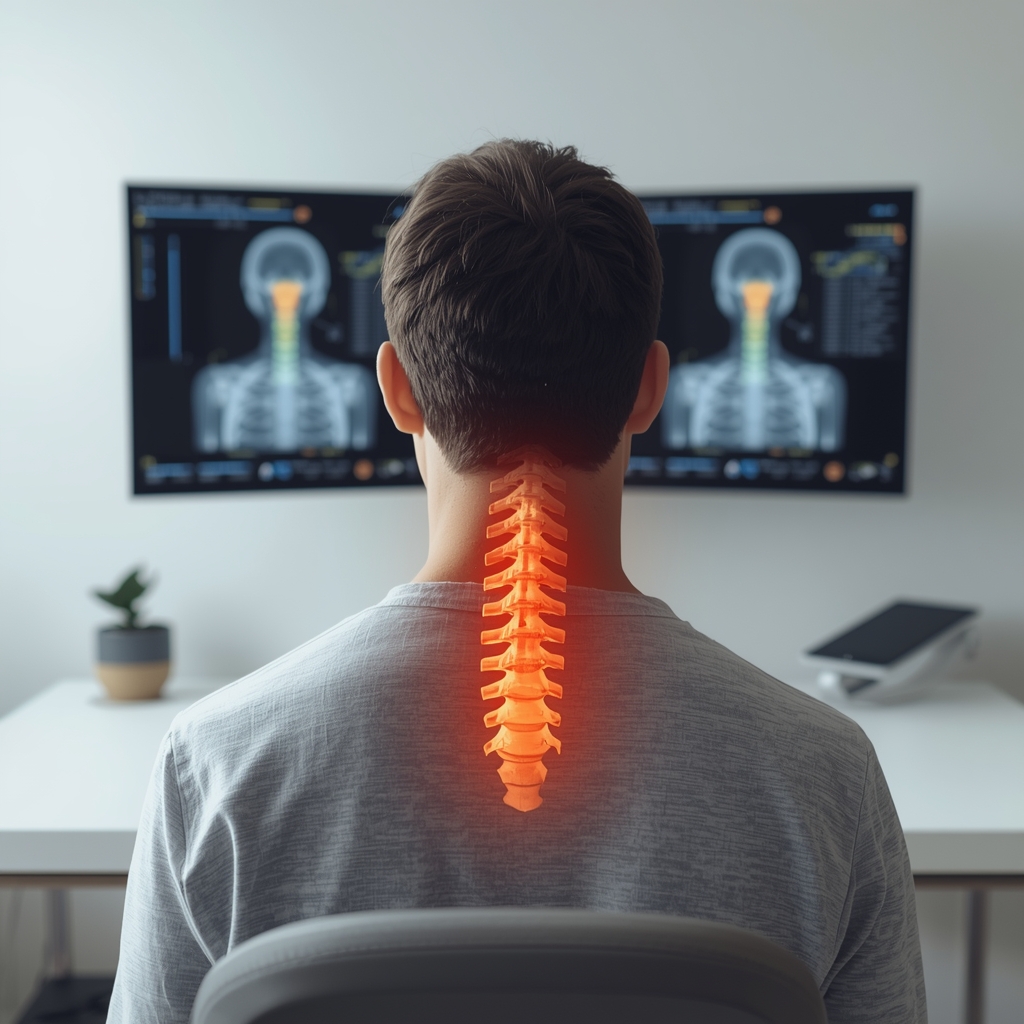
Understanding the Diagnostic Challenge
Post-accident cervical injuries often present with overlapping symptoms, making differentiation between a cervical sprain and a ligamentous injury critical. A sprain involves stretched or torn ligaments, while a ligamentous injury may indicate more severe damage, such as partial or complete tears. Chiropractors must rely on established imaging guidelines to distinguish these conditions, as clinical presentation alone can be misleading. Proper diagnosis ensures appropriate treatment plans, avoids unnecessary interventions, and supports accurate documentation for legal or insurance purposes. Imaging plays a pivotal role in confirming or ruling out structural abnormalities, guiding chiropractors in tailoring care to the patient’s specific needs.
Imaging Modalities and Their Role
Imaging techniques like X-rays, MRI, and CT scans provide distinct insights into cervical injuries. X-rays are useful for detecting fractures or misalignments but may not reveal soft tissue damage. MRI excels at visualizing ligaments, discs, and spinal cord integrity, making it ideal for identifying ligamentous injuries. CT scans offer detailed bone imaging, helpful for complex fractures. Chiropractors must understand the strengths and limitations of each modality to align with clinical findings. Guidelines from organizations like the American College of Radiology help determine when and how to use these tools, ensuring patients receive necessary imaging without overexposure or delays in care.
Interpreting Imaging Results
Chiropractors interpret imaging results in context with patient history and physical exams. For example, an MRI showing ligamentous thickening or edema may indicate a more severe injury than a simple sprain. Conversely, X-rays with normal alignment and no fractures might support a diagnosis of sprain. Guidelines emphasize correlating imaging findings with clinical signs, such as instability or neurological deficits, to avoid misdiagnosis. Chiropractors must collaborate with radiologists to ensure accurate interpretation, especially when results are inconclusive. This teamwork helps prevent under- or overtreatment, ensuring patient safety and effective recovery pathways.
Treatment Implications of Accurate Diagnosis
Accurate differentiation between a cervical sprain and a ligamentous injury directly impacts treatment strategies. Sprains often respond well to conservative care, including spinal adjustments, soft tissue therapy, and rehabilitation exercises. Ligamentous injuries may require more cautious approaches, such as bracing, activity modification, or referral to a specialist for advanced interventions. Imaging-guided diagnosis also informs prognosis, helping chiropractors set realistic expectations for recovery. By adhering to imaging guidelines, chiropractors can justify treatment decisions, reduce legal risks, and ensure patients receive care aligned with their injury severity and long-term health goals.
Chiropractors’ Role in Imaging Coordination
Chiropractors act as key coordinators in the imaging process, ensuring patients receive timely and appropriate scans. They must communicate effectively with radiologists and other healthcare providers to clarify clinical questions and interpret results within the patient’s broader context. For instance, a chiropractor might request specific MRI sequences to evaluate ligament integrity or consult with an orthopedic specialist if imaging suggests a complex injury. This collaborative approach enhances diagnostic accuracy and supports holistic care. Chiropractors also educate patients about imaging risks, benefits, and next steps, fostering informed decision-making and trust in the treatment process.
Adhering to Evidence-Based Guidelines
Following evidence-based imaging guidelines is essential for chiropractors managing post-accident cervical injuries. These guidelines, developed by medical and radiological experts, provide standardized criteria for when and how to use imaging. They help chiropractors avoid unnecessary scans while ensuring critical findings are not missed. For example, guidelines may recommend MRI for patients with persistent pain or neurological symptoms after a sprain. By adhering to these protocols, chiropractors uphold professional standards, reduce liability, and promote patient safety. Continuous education on evolving imaging technologies and guidelines ensures chiropractors remain equipped to deliver precise, up-to-date care in complex cases.














