
Understanding Herniated Discs After Auto Accidents
Herniated discs are a common injury following car accidents, often resulting from sudden impacts or whiplash. These injuries occur when the soft inner material of a spinal disc protrudes through its outer layer, potentially compressing nerves and causing pain, numbness, or weakness. Chiropractors play a critical role in identifying and addressing these issues, as they specialize in musculoskeletal and nervous system health. Post-accident evaluations focus on assessing spinal alignment, range of motion, and neurological function to determine the extent of disc damage. Early diagnosis is key to preventing chronic complications and ensuring effective treatment. Patients experiencing back or neck pain after an accident should seek professional care to explore options for recovery.
Advanced Imaging in Diagnostic Evaluation
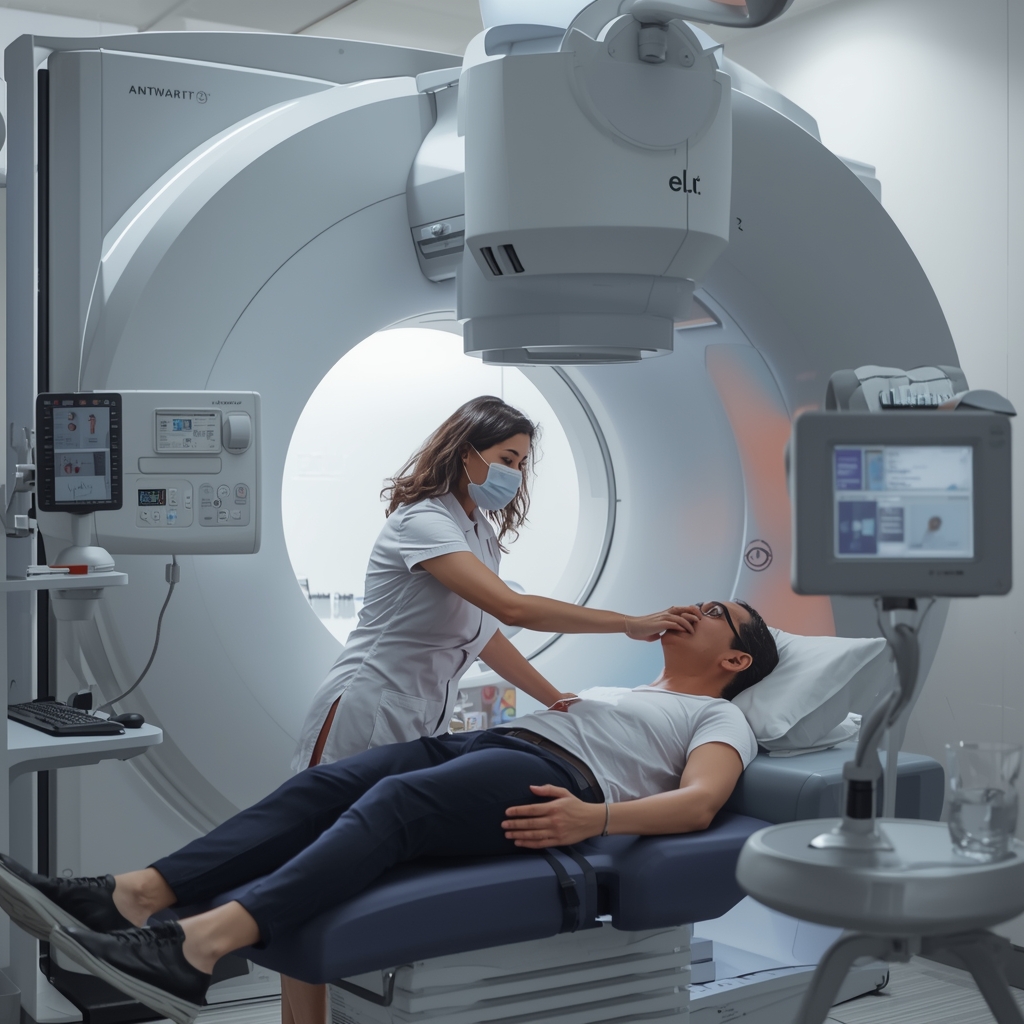
Chiropractors use advanced imaging protocols to accurately diagnose herniated discs following auto accidents. Magnetic resonance imaging (MRI) is particularly valuable, as it provides detailed visuals of soft tissues, including discs and nerves, to detect herniations and nerve compression. Computed tomography (CT) scans may also be employed, often combined with myelography, to enhance visualization of spinal structures. These technologies help differentiate herniated discs from other injuries, such as fractures or ligament damage. While chiropractors may not perform these scans themselves, they collaborate with radiologists to interpret results and develop treatment plans. Imaging ensures precise diagnosis, guiding interventions that address the root cause of a patient’s symptoms rather than just alleviating pain.
Chiropractic Examination and Clinical Assessment
Beyond imaging, chiropractors conduct thorough clinical exams to evaluate herniated disc injuries. This includes assessing posture, spinal curvature, and muscle strength, as well as testing reflexes and sensation to identify nerve involvement. Palpation of the spine helps detect areas of tenderness, misalignment, or restricted movement. Functional tests, such as range-of-motion assessments, further inform the diagnosis. Chiropractors also consider the patient’s medical history and accident details to contextualize findings. These evaluations are essential for tailoring treatment strategies, as each herniated disc case presents unique challenges. By combining imaging data with hands-on assessments, chiropractors create a comprehensive picture of the patient’s condition, ensuring targeted and effective care.
Non-Surgical Treatment Approaches
Chiropractors employ non-surgical, patient-centered treatments to address herniated discs after car accidents. Spinal adjustments are a cornerstone of care, aiming to realign the spine and reduce pressure on affected discs and nerves. Techniques like diversified manipulation or activator methods are used to restore mobility and alleviate pain. Spinal decompression therapy may also be recommended, utilizing gentle traction to create space between vertebrae and ease disc herniation. These approaches prioritize natural healing, avoiding the risks associated with surgery. Chiropractors often integrate soft tissue therapies, such as massage or trigger point release, to address muscle tension contributing to discomfort. The goal is to improve function, reduce inflammation, and support the body’s innate ability to recover.
Rehabilitation and Recovery Strategies
Recovery from a herniated disc following an auto accident involves a multifaceted approach, often combining chiropractic care with rehabilitation exercises. Chiropractors may prescribe specific stretches and strengthening routines to stabilize the spine and prevent future injuries. Physical therapy referrals are common, particularly for patients requiring guided movement protocols. Lifestyle modifications, such as ergonomic adjustments or activity modifications, help reduce strain on the spine during healing. Patients are typically advised to avoid heavy lifting or high-impact activities until cleared by their provider. Regular follow-ups ensure progress is monitored, and treatment plans are adjusted as needed. This holistic strategy supports long-term recovery, empowering patients to regain mobility and quality of life.
Collaborative Care and Patient Education
Effective management of herniated discs after car accidents relies on collaboration between chiropractors, medical professionals, and patients. Chiropractors often work with primary care physicians, physical therapists, and specialists to ensure comprehensive care. Open communication about symptoms, treatment goals, and progress is essential for optimal outcomes. Patient education is equally vital, as understanding the injury and treatment process fosters informed decision-making. Chiropractors may provide resources on posture, exercise, and pain management to support self-care. By emphasizing a team-based approach, chiropractors help patients navigate recovery with confidence, reducing the risk of complications and promoting lasting wellness.











