
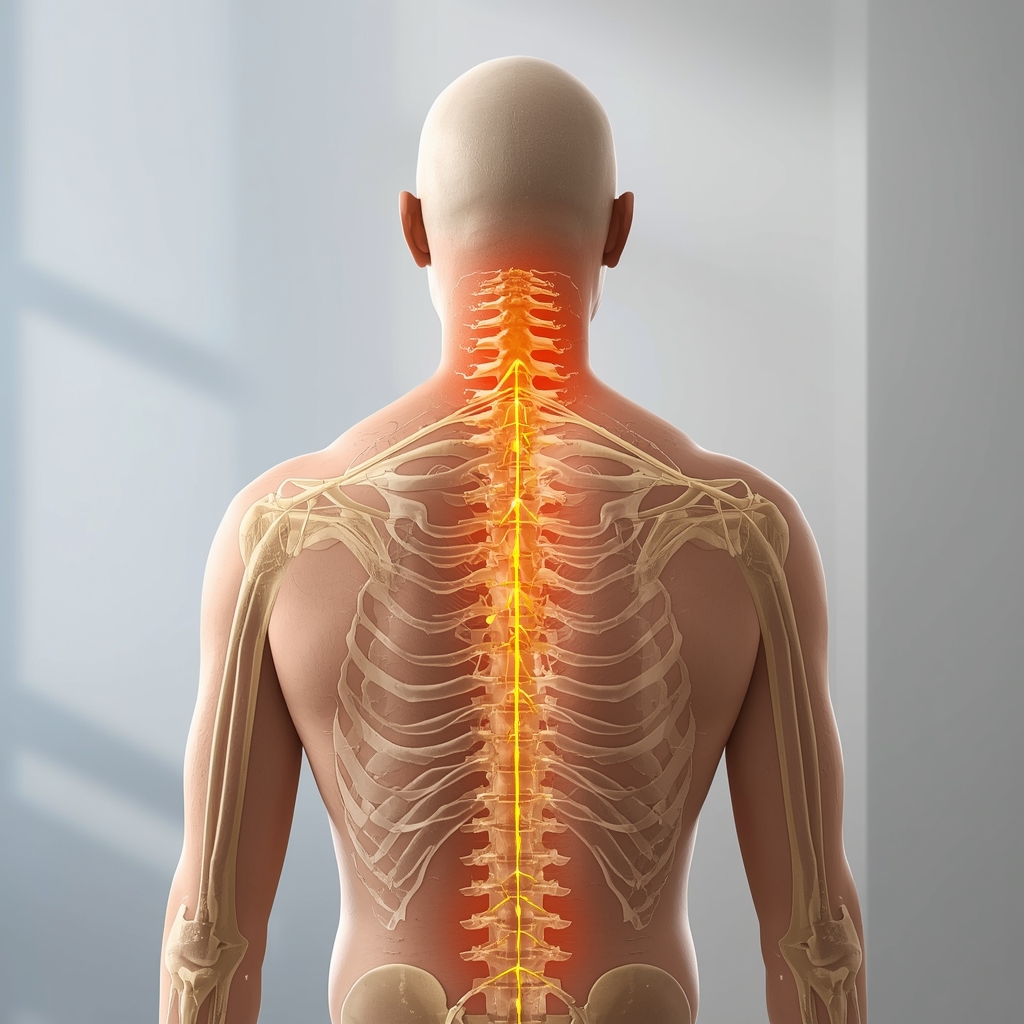
Understanding Dry Needling and Diabetic Neuropathy
Diabetic neuropathy, a common complication of diabetes, involves nerve damage that often causes pain, tingling, or numbness, particularly in the extremities. Dry needling, a technique involving the insertion of thin needles into specific points in the body, is increasingly explored as a complementary approach to address nerve-related discomfort. While not a substitute for standard diabetes care, this method may help target affected nerve pathways to alleviate symptoms. Chiropractors trained in dry needling aim to stimulate nerves and muscles, potentially improving blood flow and reducing inflammation. However, it is crucial to note that individual results can vary, and this therapy should always be discussed with a qualified healthcare provider to ensure safety and appropriateness for each patient’s condition.
How Dry Needling Targets Nerve Pathways
Chiropractors use dry needling to access and influence specific nerve pathways by inserting needles into trigger points or areas of muscular tension. These points often correlate with nerve endings or regions of the body affected by neuropathy. By stimulating these areas, practitioners aim to modulate nerve signals, potentially reducing pain signals sent to the brain. This process may also promote the release of natural pain-relieving substances like endorphins. While the exact mechanisms are still under research, the technique focuses on restoring balance to the nervous system. For patients with diabetic neuropathy, this could mean targeted relief for localized symptoms. However, it is essential to recognize that dry needling is part of a broader treatment strategy and should not replace conventional medical care for diabetes or its complications.
Assessing and Identifying Nerve Pathways for Treatment
Before initiating dry needling, chiropractors conduct a thorough assessment to identify areas of nerve involvement. This may include evaluating muscle tension, range of motion, and patient-reported symptoms. By pinpointing regions where nerve pathways are compromised, practitioners can determine the most effective insertion points for needles. Techniques such as palpation and functional movement analysis help locate areas of dysfunction. For diabetic neuropathy, this process is critical in addressing the unique nerve damage patterns associated with the condition. However, the complexity of neuropathic pain requires careful evaluation to avoid overstimulation or unintended effects. Patients should always consult with a licensed chiropractor who has experience in dry needling and neuropathic conditions to ensure a personalized and safe approach.
Potential Benefits for Diabetic Neuropathy Patients
Many patients with diabetic neuropathy report subjective improvements in discomfort after dry needling sessions. The technique may help reduce pain intensity, enhance circulation, and promote nerve healing by encouraging the body’s natural reparative processes. Some studies suggest that dry needling can influence nerve conductivity and reduce inflammation, though more research is needed to confirm these effects. For individuals struggling with chronic neuropathic pain, this therapy offers a non-invasive option that may complement traditional treatments. However, results vary, and it is not a guaranteed solution. Chiropractors often combine dry needling with other modalities, such as spinal adjustments or rehabilitative exercises, to address the multifaceted nature of neuropathy. Patients should maintain open communication with their healthcare team to monitor progress and adjust their care plan as needed.
Safety Considerations and Professional Guidance
While dry needling is generally considered safe when performed by a trained professional, it is not without risks. Patients with diabetic neuropathy may have compromised skin integrity or reduced sensation, making proper technique essential to avoid injury. Chiropractors must adhere to strict hygiene protocols and possess a thorough understanding of anatomy to minimize complications. Additionally, individuals with bleeding disorders or those taking anticoagulant medications should exercise caution. It is vital to consult a qualified chiropractor who can assess the patient’s medical history and tailor the treatment plan accordingly. Dry needling should never be used as a standalone solution for diabetic neuropathy. Instead, it should be part of a comprehensive approach that includes regular medical check-ups, blood sugar management, and other evidence-based therapies.
Integrating Dry Needling into Comprehensive Care
Chiropractors often integrate dry needling into broader treatment plans for diabetic neuropathy, combining it with other therapies to address both nerve function and musculoskeletal health. This may include spinal adjustments, soft tissue work, or rehabilitative exercises to improve mobility and reduce pain. The goal is to create a holistic approach that supports the body’s natural healing processes. Patients should discuss their treatment options with their chiropractor to ensure alignment with their overall health objectives. Open dialogue between the patient and healthcare provider is essential to monitor progress and make necessary adjustments. While dry needling can offer relief, it is most effective when used alongside standard medical care for diabetes. As research continues, the role of this technique in managing neuropathy may evolve, but its application should always prioritize patient safety and individualized care.















