
Understanding Diabetic Peripheral Neuropathy and Its Challenges
Diabetic peripheral neuropathy (DPN) affects millions, causing nerve damage that leads to pain, numbness, and weakness in the extremities. This condition often stems from prolonged high blood sugar levels, which impair nerve function and blood circulation. Traditional treatments focus on managing symptoms through medication, lifestyle changes, and blood sugar control. However, many patients seek complementary approaches to address underlying nerve dysfunction. Chiropractic care and dry needling have emerged as potential options, offering non-invasive strategies to support nerve health and alleviate discomfort. While these therapies are not substitutes for medical treatment, they may provide additional relief when integrated into a comprehensive care plan.
How Chiropractic Adjustments May Support Nerve Function
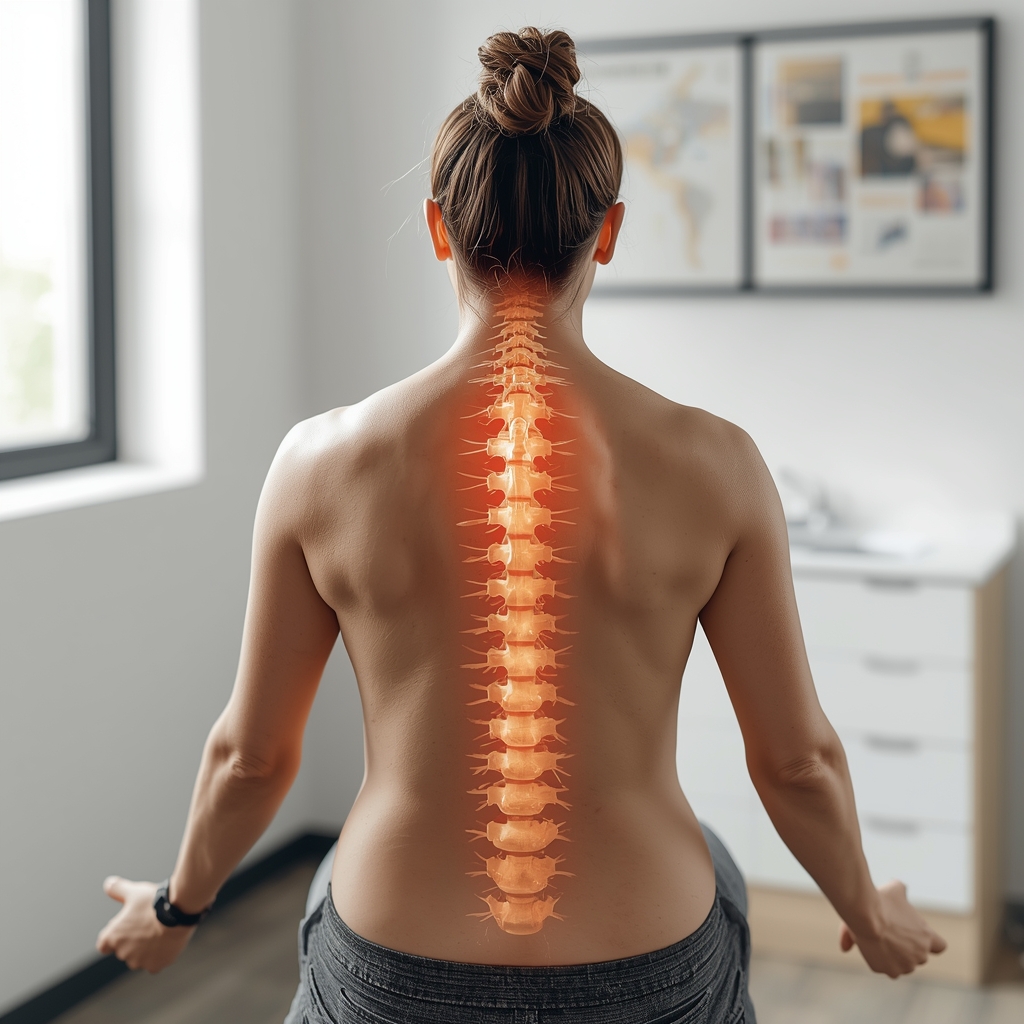
Chiropractic adjustments aim to restore proper spinal alignment, which can reduce pressure on nerves and improve overall nervous system function. For individuals with DPN, misalignments in the spine or joints may exacerbate nerve irritation, contributing to pain or reduced sensation. By realigning the body, chiropractors help optimize nerve communication between the brain and peripheral areas. This can potentially enhance blood flow and reduce inflammation, which are critical for nerve repair. While research on chiropractic care for DPN is limited, anecdotal evidence and clinical observations suggest that adjustments may alleviate some symptoms by addressing musculoskeletal factors that indirectly affect nerve health.
The Role of Dry Needling in Nerve Pain Management
Dry needling involves inserting thin needles into specific points in the body to stimulate nerves, muscles, and connective tissues. This technique is thought to trigger the release of natural pain-relieving chemicals and improve blood circulation. For DPN, dry needling may target areas of muscle tension or nerve entrapment that contribute to discomfort. By reducing localized inflammation and promoting healing, it could complement other therapies. However, its effectiveness for neuropathic pain requires further study. Practitioners often use dry needling alongside other treatments, emphasizing its role as a supportive tool rather than a standalone solution for nerve damage caused by diabetes.
Combining Chiropractic Adjustments and Dry Needling
Integrating chiropractic adjustments with dry needling may create a synergistic effect, addressing both structural and soft tissue components of DPN. Adjustments can correct spinal misalignments that interfere with nerve signaling, while dry needling targets muscle tightness or trigger points that may worsen neuropathic symptoms. This dual approach could enhance blood flow, reduce inflammation, and improve nerve conductivity. Patients often report reduced pain and increased mobility after combining these therapies, though results vary. It is essential to work with a qualified chiropractor who understands neuropathy and has experience with dry needling to ensure safe and effective treatment. Regular assessments help tailor the approach to individual needs.
Potential Benefits and Considerations
Combining chiropractic care and dry needling may offer several benefits for individuals with DPN, including improved pain management, enhanced mobility, and better quality of life. These therapies can also reduce reliance on medications, which is appealing for those seeking natural alternatives. However, it is crucial to recognize that they do not reverse nerve damage caused by diabetes. Patients should maintain regular medical checkups and continue managing blood sugar levels. Additionally, the safety and efficacy of these treatments depend on the practitioner’s expertise. Open communication with healthcare providers ensures that all aspects of DPN are addressed holistically, avoiding potential conflicts with other treatments.
When to Consult a Healthcare Professional
Before pursuing chiropractic adjustments or dry needling for DPN, individuals should consult their primary care physician or a neurologist to discuss their specific condition. These therapies should never replace conventional medical care but may be used as adjuncts under professional guidance. A chiropractor experienced in neuropathy can evaluate the patient’s needs and develop a personalized plan, while a dry needling specialist can address muscle-related contributors to nerve pain. Patients must also inform their providers about all treatments they are undergoing to avoid interactions. Ultimately, a collaborative approach involving multiple healthcare disciplines offers the best chance of managing DPN effectively and safely.













