
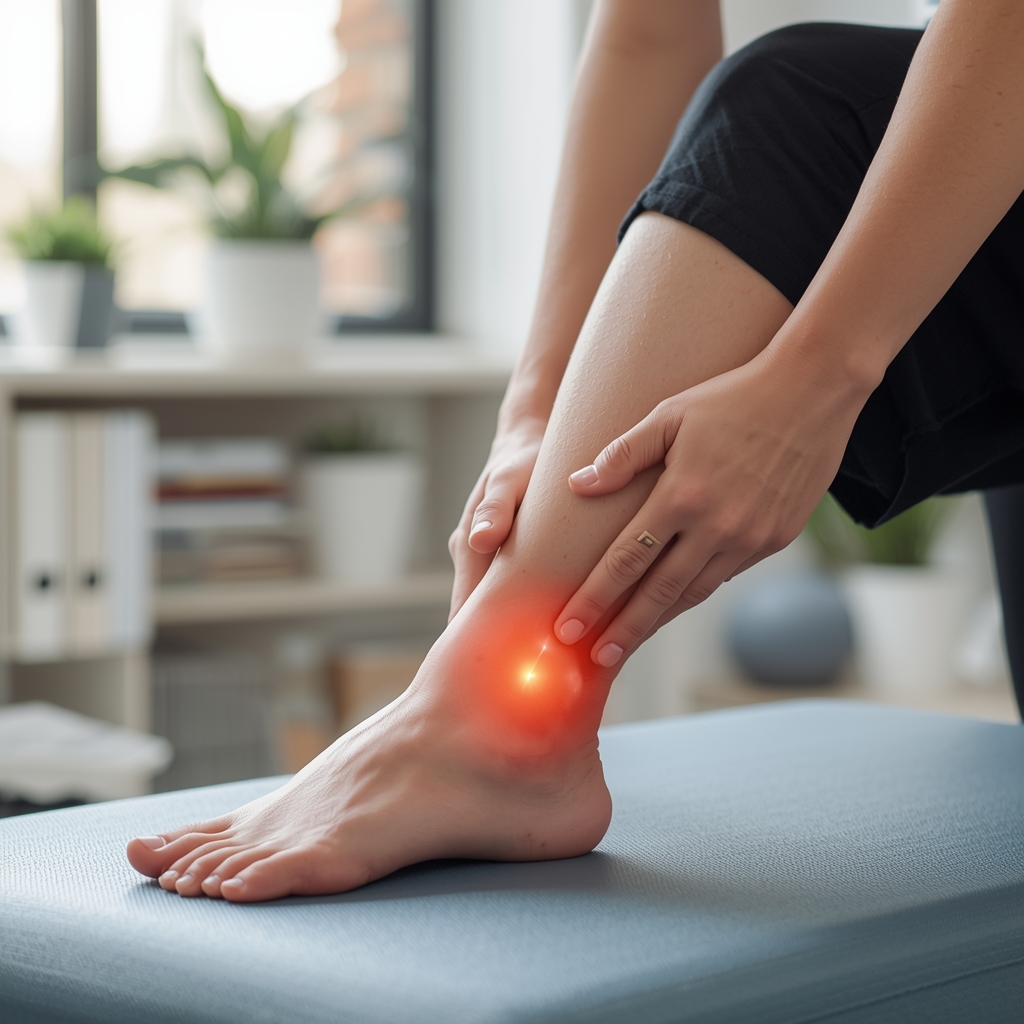
Understanding Graston Technique and Manual Therapy for Plantar Fasciitis
Graston Technique, an instrument-assisted soft tissue mobilization method, and manual therapy, which involves hands-on manipulation, are both used to address musculoskeletal conditions. For plantar fasciitis, these approaches aim to reduce inflammation, break down scar tissue, and restore mobility. Graston uses specialized tools to detect and treat adhesions in the plantar fascia, while manual therapy focuses on joint alignment and muscle relaxation. Together, they offer a non-invasive alternative to medication, targeting the root causes of pain rather than just symptoms. Patients seeking drug-free solutions often explore these methods to improve function and quality of life. However, their effectiveness depends on proper application by trained professionals.
How Graston Technique Addresses Plantar Fasciitis
The Graston Technique works by identifying and treating restricted soft tissues in the foot and lower leg. For plantar fasciitis, practitioners use the tools to detect and release adhesions in the plantar fascia, a thick band of tissue connecting the heel to the toes. This process can alleviate tension and improve blood flow, promoting healing. The technique also helps break down scar tissue that forms due to chronic inflammation, which may contribute to stiffness and pain. By addressing these issues, Graston can reduce discomfort and restore normal movement patterns. However, it is typically part of a broader treatment plan, as plantar fasciitis often involves multiple factors, including biomechanical imbalances and overuse.
The Role of Manual Therapy in Complementary Care
Manual therapy, such as soft tissue massage, joint mobilization, and myofascial release, complements Graston by addressing surrounding muscles and joints. For plantar fasciitis, this might include stretching the calf muscles, releasing tightness in the Achilles tendon, and improving foot mechanics. Manual techniques can also enhance the effects of Graston by reducing muscle spasms and improving range of motion. When combined, these approaches create a more holistic treatment strategy, targeting both the affected tissue and contributing factors. Patients often report improved outcomes when multiple modalities are used, as each method addresses different aspects of the condition. However, the specific techniques and frequency of sessions should be tailored to individual needs.
Integrating Graston and Manual Therapy for Optimal Results
Combining Graston Technique with manual therapy requires careful coordination to maximize benefits. A chiropractor or physical therapist might start with Graston to address scar tissue and adhesions, followed by manual techniques to further relax muscles and adjust joint alignment. This sequence can enhance tissue repair and reduce pain more effectively than either method alone. For example, Graston might prepare the plantar fascia for deeper manual manipulation, while manual therapy ensures surrounding structures are also treated. The integration also allows for ongoing assessment, as practitioners can adjust the approach based on patient response. This collaborative strategy supports long-term recovery by addressing both immediate symptoms and underlying causes of plantar fasciitis.
Patient Considerations and Safety
While Graston and manual therapy are generally safe, they are not suitable for all patients. Individuals with certain conditions, such as open wounds, severe osteoporosis, or acute inflammation, may need to avoid these treatments. It is crucial to consult a qualified chiropractor or physical therapist to determine if these methods are appropriate. Patients should also communicate any discomfort during sessions, as adjustments may be needed. For those seeking drug-free pain relief, these techniques can be valuable tools, but they should be part of a comprehensive care plan. A healthcare provider can help develop a personalized approach that aligns with the patient’s goals and medical history.
Conclusion: A Holistic Approach to Plantar Fasciitis Care
Integrating Graston Technique with manual therapy offers a drug-free option for managing plantar fasciitis by addressing soft tissue restrictions and biomechanical imbalances. These methods work synergistically to reduce pain, improve mobility, and support natural healing. However, their success relies on proper technique, professional guidance, and individualized care. Patients considering these approaches should discuss their options with a qualified provider to ensure safety and effectiveness. By combining evidence-based practices, individuals can explore non-invasive solutions that align with their health goals and lifestyle needs.














