
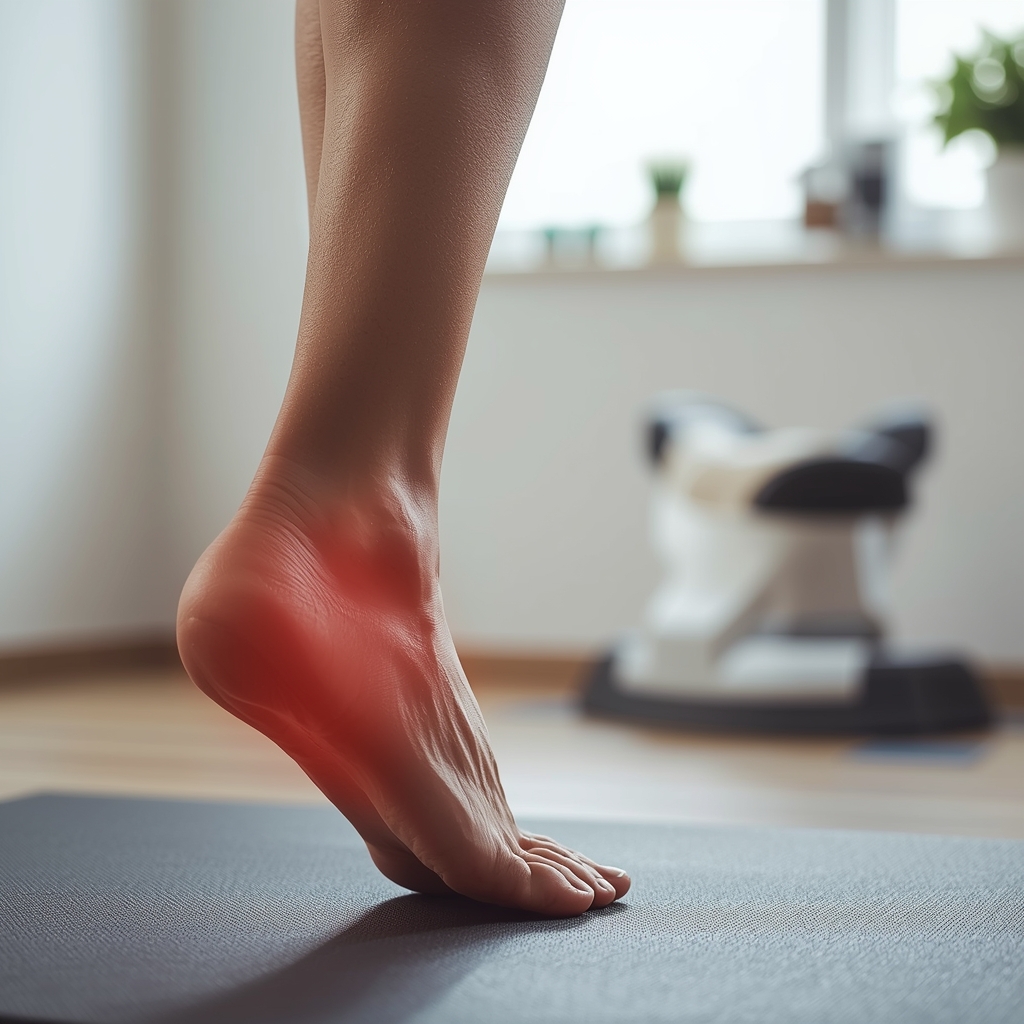
Understanding Chronic Plantar Fasciitis in Runners
Chronic plantar fasciitis is a persistent condition causing heel pain due to inflammation of the thick tissue band connecting the heel bone to the toes. Runners often experience this from repetitive stress, improper footwear, or biomechanical imbalances. While traditional treatments like orthotics and stretching are common, many seek complementary approaches. Gait retraining and spinal adjustments offer alternative strategies by addressing movement patterns and spinal alignment, which may indirectly reduce strain on the plantar fascia. These methods aim to correct underlying factors contributing to pain, rather than just managing symptoms. However, they should be explored under professional guidance to ensure safety and effectiveness.
Gait Retraining: Correcting Movement Patterns
Gait retraining involves analyzing and modifying a runner’s walking or running form to reduce stress on the feet and lower body. By adjusting factors like foot strike, cadence, and stride length, this approach can alleviate pressure on the plantar fascia. For example, overpronation or excessive heel striking may exacerbate inflammation, while a midfoot strike can distribute force more evenly. A chiropractor or movement specialist might use real-time feedback, such as video analysis or pressure sensors, to guide adjustments. This process helps retrain muscles and joints to move more efficiently, potentially reducing pain and preventing recurrence. However, results vary, and consistency is key to long-term success.
Spinal Adjustments: Addressing Nervous System Influence
Spinal adjustments, a core chiropractic technique, focus on correcting misalignments (subluxations) that may disrupt nerve function. The spine’s alignment affects how the nervous system communicates with the feet and lower limbs. A misaligned vertebra, particularly in the lower back or pelvis, could contribute to altered gait patterns or muscle imbalances that strain the plantar fascia. By restoring proper spinal motion, adjustments may improve biomechanics and reduce compensatory movements. This holistic approach considers the body as an interconnected system, where spinal health can influence foot pain. While not a direct treatment for plantar fasciitis, it may support overall recovery when combined with other strategies.
Combining Gait Retraining and Spinal Care
Integrating gait retraining with spinal adjustments offers a multifaceted approach to managing chronic plantar fasciitis. Gait retraining targets specific movement inefficiencies, while spinal adjustments address potential nervous system disruptions. Together, they may create a synergistic effect, improving both mechanical and neurological factors contributing to pain. For instance, a runner with a tilted pelvis (from spinal misalignment) might develop uneven weight distribution, worsening plantar fasciitis. Correcting the spine could enhance gait retraining outcomes by promoting balanced movement. However, individual results depend on the root causes of the condition, making personalized evaluation by a chiropractor essential to tailor the approach effectively.
Considerations and Limitations
While gait retraining and spinal adjustments show promise, they are not universal solutions. Factors like the severity of plantar fasciitis, overall health, and adherence to treatment plans influence outcomes. Some runners may require additional interventions, such as physical therapy or footwear modifications, alongside these methods. It’s also important to note that these approaches focus on symptom management and prevention rather than curing the condition. Patients should maintain open communication with their chiropractor to monitor progress and adjust strategies as needed. As with any treatment, results vary, and patience is crucial. Consulting a qualified professional ensures these methods are applied safely and effectively.
Conclusion: A Holistic Path to Relief
Gait retraining and spinal adjustments provide runners with non-invasive options to address chronic plantar fasciitis by targeting movement patterns and nervous system function. These approaches emphasize a holistic view of the body, recognizing the interplay between posture, biomechanics, and overall health. While they may not replace traditional treatments, they can complement them, offering a broader strategy for pain relief and injury prevention. Runners considering these methods should seek guidance from experienced chiropractors to develop a personalized plan. By combining education, adjustments, and behavioral changes, individuals may achieve lasting improvements in mobility and quality of life.












