
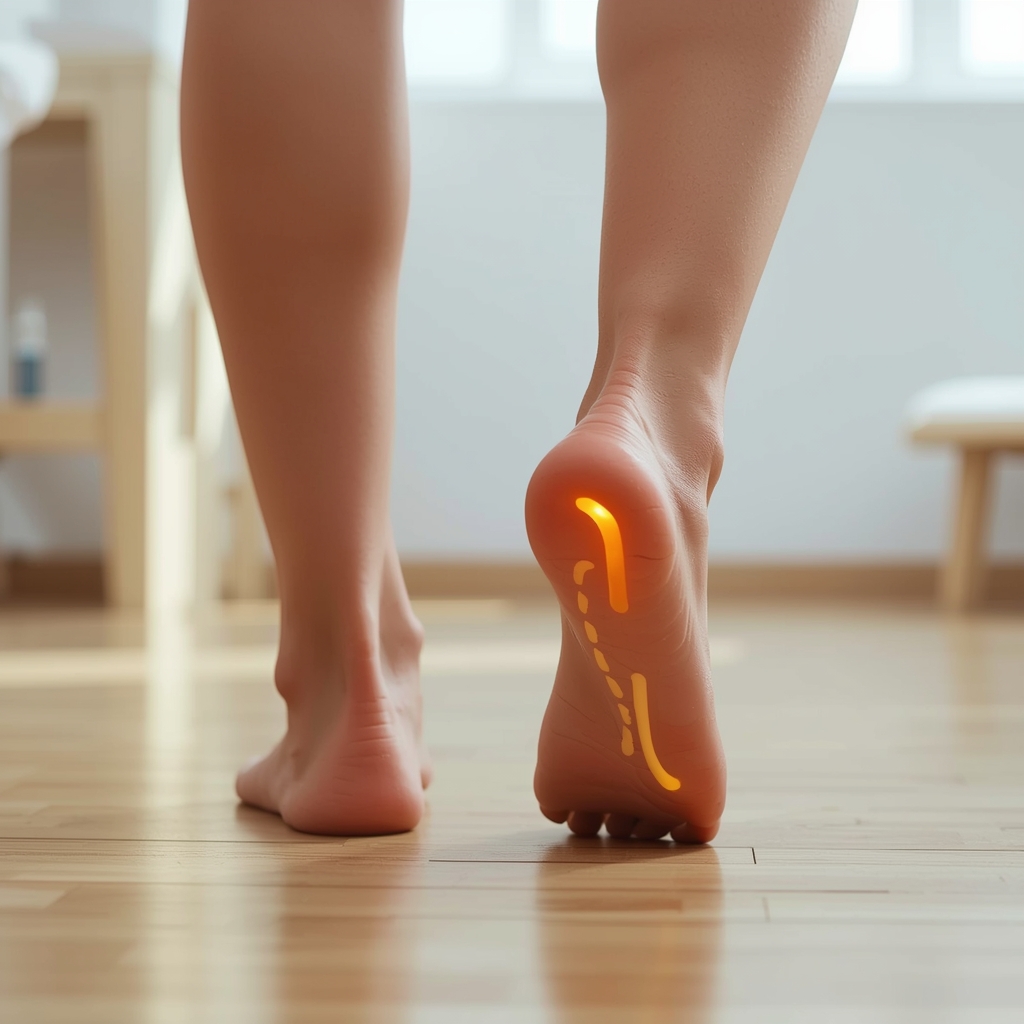
Understanding the Biomechanical Link Between Flat Feet and Plantar Fasciitis
Chronic plantar fasciitis, a common source of heel pain, often affects athletes with flat feet due to altered biomechanics. Flat feet, or pes planus, occur when the arches of the feet collapse, leading to improper weight distribution and increased strain on the plantar fascia—a thick band of tissue connecting the heel to the toes. This condition is exacerbated during high-impact activities, as repetitive stress on the foot’s structure can cause microtears in the fascia. Athletes, who frequently engage in running, jumping, or pivoting motions, may experience persistent discomfort that extends beyond typical recovery timelines. Addressing this issue requires a holistic approach that considers both foot mechanics and spinal alignment, as misalignments elsewhere in the body can indirectly influence gait patterns and foot function.
The Role of Custom Orthotics in Correcting Foot Mechanics
Custom orthotics are designed to support the arch and redistribute pressure across the foot, offering targeted relief for athletes with flat feet. Unlike off-the-shelf insoles, these devices are tailored to an individual’s unique foot structure, helping to stabilize the heel and align the lower limbs. By maintaining proper arch support, orthotics can reduce excessive stretching of the plantar fascia, which is a primary cause of inflammation and pain. For athletes, this can mean improved performance and faster recovery from training sessions. Additionally, orthotics may help correct gait abnormalities, such as overpronation, which can place additional stress on the feet. While orthotics are not a standalone cure, they are often a foundational element of a comprehensive treatment plan, especially when combined with other interventions like spinal adjustments.
How Spinal Adjustments May Influence Foot Pain and Recovery
Spinal adjustments, a core component of chiropractic care, can play a supportive role in alleviating plantar fasciitis by addressing misalignments that affect nerve function and posture. The spine’s alignment influences the nervous system, which controls muscle activity and sensation throughout the body. A misaligned vertebra, particularly in the lower back or pelvis, may contribute to uneven weight distribution or altered gait patterns, indirectly worsening foot strain. By restoring proper spinal mechanics, adjustments can promote better overall body coordination and reduce compensatory movements that stress the plantar fascia. For athletes, this can translate to improved balance, reduced pain, and faster healing. However, spinal adjustments should be viewed as part of a broader strategy, not a replacement for other treatments like orthotics or physical therapy.
Combining Custom Orthotics and Spinal Adjustments for Optimal Results
Integrating custom orthotics with spinal adjustments offers a multifaceted approach to managing chronic plantar fasciitis. Orthotics address the direct mechanical issues in the feet, while spinal adjustments target potential underlying causes of biomechanical imbalance. This dual strategy can enhance recovery by ensuring both the foot’s structure and the body’s alignment are optimized. For example, a chiropractor might recommend orthotics to stabilize the arch and reduce fascial strain, while also performing adjustments to correct spinal subluxations that may contribute to poor posture or gait. Athletes often report improved outcomes when these treatments are used together, as the combined effects can lead to more sustainable relief. However, the specific treatment plan should be tailored to the individual’s needs, as factors like injury history, activity level, and foot structure vary widely among patients.
Consulting a Chiropractor for Personalized Treatment Plans
Given the complexity of chronic plantar fasciitis, especially in athletes with flat feet, seeking guidance from a qualified chiropractor is essential. A professional can conduct a thorough evaluation of the feet, spine, and overall biomechanics to identify contributing factors and develop a customized care plan. This may involve gait analysis, spinal assessments, and discussions about the athlete’s training regimen and symptoms. Chiropractors often collaborate with other healthcare providers, such as podiatrists or physical therapists, to ensure a coordinated approach. For athletes, this collaborative model can help address both immediate pain and long-term prevention. It’s important to note that while orthotics and adjustments may provide significant benefits, they should be part of a broader strategy that includes rest, stretching, and proper footwear. A chiropractor can guide patients in making informed decisions about their care.
Long-Term Strategies for Managing Chronic Plantar Fasciitis
Maintaining long-term relief from chronic plantar fasciitis requires consistent attention to both foot health and overall body mechanics. Athletes should prioritize regular check-ups with a chiropractor to monitor spinal alignment and make necessary adjustments. Continuing to use custom orthotics as recommended can help sustain proper foot function and prevent relapses. Additionally, incorporating strength and flexibility exercises for the feet and lower legs can further support recovery and reduce strain on the plantar fascia. Education on proper training techniques, such as avoiding overtraining and using appropriate footwear, is also critical. By addressing biomechanical factors proactively, athletes can minimize the risk of recurring pain and maintain their performance levels. Ultimately, a proactive, multidisciplinary approach is key to managing this condition effectively.















