
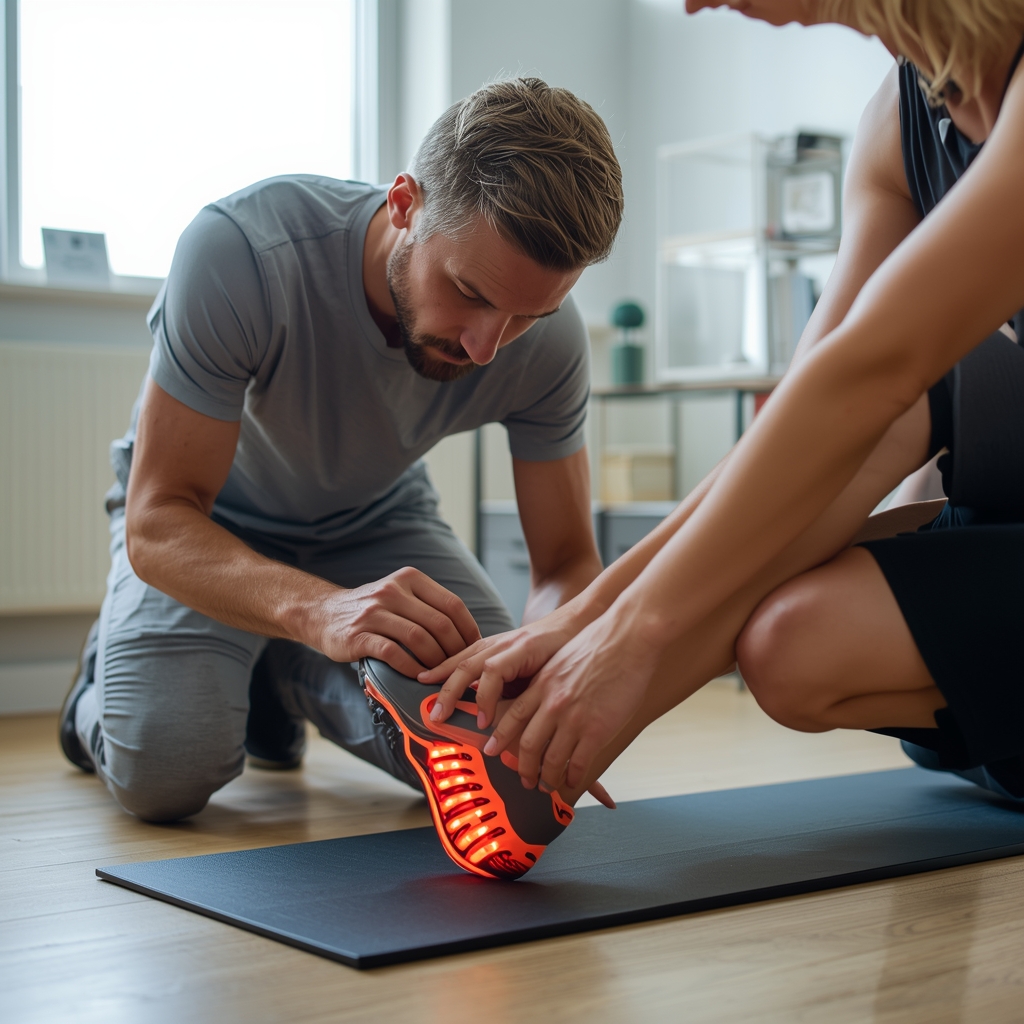
Understanding Plantar Fasciitis in Runners
Plantar fasciitis is a common condition among runners, characterized by inflammation of the thick band of tissue (plantar fascia) that runs across the bottom of the foot, connecting the heel bone to the toes. This condition often causes sharp, stabbing pain near the heel, especially during the first steps in the morning or after prolonged activity. For runners, repetitive impact and strain on the feet can exacerbate the issue, leading to chronic discomfort. While rest and stretching are standard recommendations, many seek additional relief through chiropractic care and footwear modifications. Understanding the interplay between biomechanics, foot mechanics, and spinal alignment is key to addressing the root causes of this pain.
Chiropractic Adjustments for Plantar Fasciitis
Chiropractic adjustments focus on restoring proper alignment to the spine and joints, which can indirectly alleviate plantar fasciitis by improving overall body mechanics. Misalignments in the lower back, pelvis, or feet may contribute to uneven weight distribution, increasing stress on the plantar fascia. A chiropractor may perform adjustments to the sacroiliac joint, lumbar spine, or even the foot itself to reduce inflammation and enhance mobility. These adjustments aim to relieve nerve pressure and improve circulation, which can support the body’s natural healing processes. While not a standalone solution, chiropractic care can complement other treatments by addressing systemic factors that contribute to foot pain.
Footwear Modifications for Relief
Proper footwear plays a critical role in managing plantar fasciitis, particularly for runners. Shoes with adequate arch support, cushioning, and a stable heel can reduce strain on the plantar fascia. Custom orthotics, prescribed by a healthcare professional, may be recommended to correct biomechanical imbalances such as overpronation. Additionally, avoiding flat, unsupportive shoes and opting for ones with a slight heel lift can help ease tension on the affected area. Some runners benefit from footwear with a rigid sole to limit excessive foot motion, while others may need shoes with a wider toe box to accommodate swelling. Tailoring footwear to individual needs is essential for long-term relief.
Combining Chiropractic Care with Footwear Adjustments
Integrating chiropractic adjustments with footwear modifications often yields better results than either approach alone. A chiropractor may assess a runner’s gait and posture to identify how spinal or joint misalignments contribute to foot strain. For example, an uneven pelvis could lead to altered weight distribution, worsening plantar fasciitis. By correcting these imbalances through adjustments, the body’s mechanics improve, reducing the need for excessive compensatory movements. Simultaneously, appropriate footwear supports the feet during daily activities and training. This combined strategy addresses both structural and environmental factors, promoting more sustainable relief and preventing recurrence.
Additional Therapies to Support Recovery
In addition to chiropractic care and footwear changes, runners may find value in complementary therapies. Stretching exercises targeting the calf muscles and plantar fascia, such as toe stretches or rolling a frozen water bottle under the foot, can reduce stiffness. Physical therapy may also be recommended to strengthen the muscles supporting the arch. Ice therapy and anti-inflammatory medications can manage acute pain, while massage or trigger point therapy may ease muscle tightness. A holistic approach that includes these methods, alongside professional guidance, can enhance recovery. It’s important to note that individual responses vary, and a qualified provider should tailor recommendations to each runner’s unique condition.
When to Seek Professional Guidance
If plantar fasciitis persists despite self-care efforts, consulting a chiropractor or podiatrist is advisable. A healthcare professional can conduct a thorough evaluation to rule out other conditions, such as heel spurs or nerve entrapment, that may mimic plantar fasciitis. They can also determine whether chiropractic adjustments, custom orthotics, or other interventions are suitable. For runners, early intervention is crucial to prevent chronic issues that may require more invasive treatments. A chiropractor can provide personalized strategies to address biomechanical imbalances, while a podiatrist may offer advanced footwear solutions. Collaborating with experts ensures a comprehensive plan to restore comfort and support long-term running performance.














