
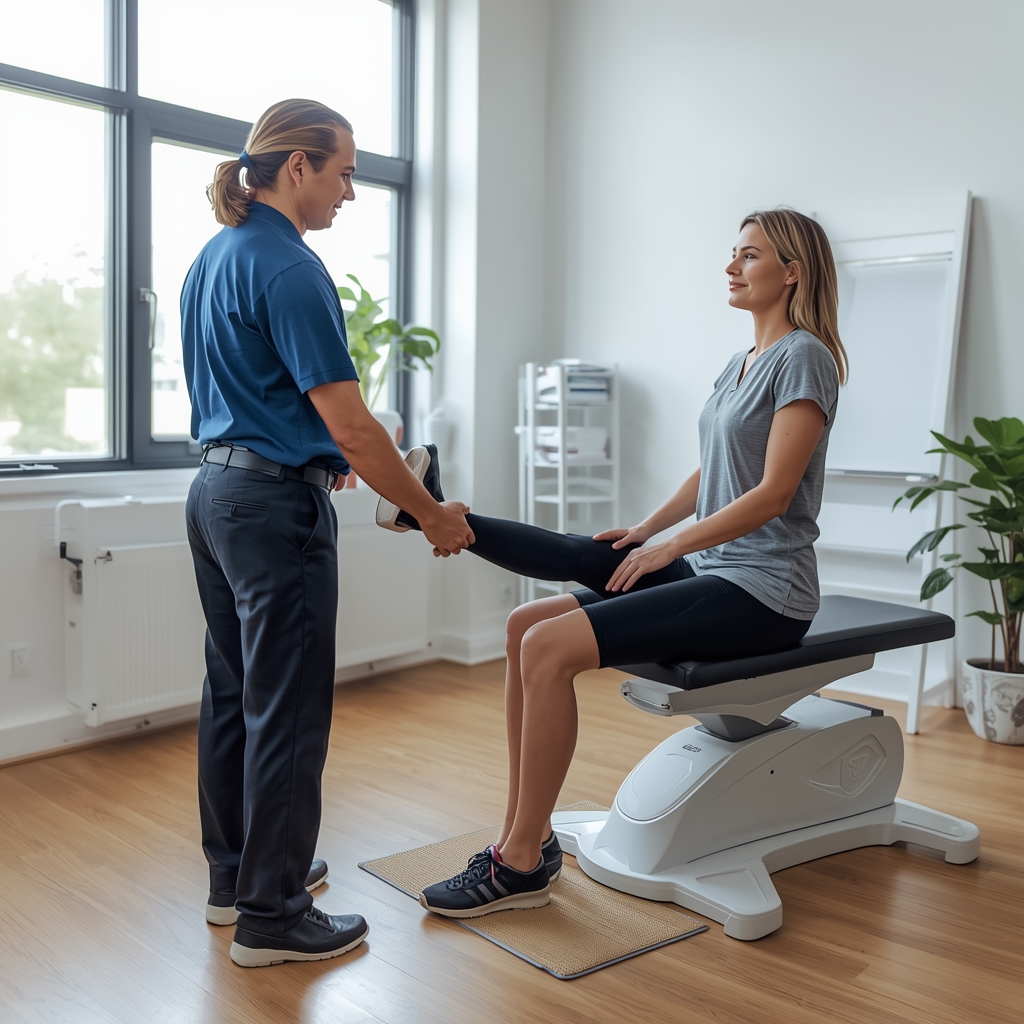
Understanding EMS Therapy and Its Role in Rehabilitation
Electrical muscle stimulation (EMS) is a therapeutic technique that uses electrical impulses to activate muscles, mimicking natural neural signals. In post-surgical rehabilitation, EMS can help maintain muscle tone, reduce atrophy, and improve circulation. For patients recovering from total knee arthroplasty (TKA), this technology offers a non-invasive way to support muscle function during the critical healing phase. By stimulating muscle contractions, EMS can enhance neuromuscular coordination, which is essential for restoring mobility. While EMS is not a substitute for active movement, it complements traditional therapies by providing targeted muscle engagement. Its application in rehabilitation settings is widely recognized for its potential to accelerate recovery. However, it should always be used under the guidance of a qualified healthcare provider to ensure safety and effectiveness.
What Is Neuromuscular Re-education and Why It Matters
Neuromuscular re-education refers to the process of restoring proper muscle function and coordination through targeted exercises and techniques. After TKA, patients often experience muscle weakness, reduced range of motion, and altered movement patterns due to surgical trauma and immobilization. Re-education helps retrain the nervous system to communicate effectively with muscles, promoting balanced movement and preventing compensatory injuries. This process is crucial for regaining functional independence and reducing long-term complications. EMS can play a supportive role by activating specific muscle groups, enhancing proprioception, and reinforcing neural pathways. By integrating EMS into rehabilitation protocols, clinicians can address muscle imbalances and improve overall motor control. The goal is to restore natural movement patterns while minimizing pain and disability. This approach aligns with evidence-based practices in post-surgical care, emphasizing a holistic recovery strategy.
How EMS Supports Muscle Activation and Neural Feedback
EMS works by delivering electrical currents that stimulate motor neurons, causing muscle contractions. This artificial activation helps maintain muscle strength and prevent disuse atrophy, which is common after TKA. For patients with limited mobility, EMS can target specific muscles that are difficult to engage through conventional exercises. The stimulation also enhances proprioceptive feedback, allowing the nervous system to better perceive joint position and movement. This is particularly beneficial for restoring stability and coordination in the knee joint. By repeatedly activating muscles in a controlled manner, EMS can reinforce neuromuscular connections, making movement more efficient over time. Additionally, the therapy can improve blood flow to the affected area, aiding in tissue repair and reducing inflammation. These combined effects make EMS a valuable tool in post-operative rehabilitation, supporting both muscular and neural recovery.
Benefits of EMS for Post-TKA Recovery
Patients recovering from TKA often face challenges such as muscle weakness, stiffness, and delayed functional recovery. EMS can address these issues by promoting muscle activation and improving circulation, which supports tissue healing. Regular use of EMS may help reduce swelling and enhance joint mobility, making it easier for patients to perform rehabilitation exercises. It also aids in preventing muscle atrophy by maintaining baseline strength during periods of limited activity. For individuals with difficulty engaging muscles voluntarily, EMS provides an alternative way to stimulate neuromuscular pathways. This can be especially helpful in early recovery stages when movement is restricted. By integrating EMS into a structured rehabilitation plan, patients may experience faster progress toward regaining independence. However, it is important to tailor the therapy to individual needs under professional supervision to avoid overuse or improper application.
Integrating EMS with Traditional Rehabilitation Approaches
EMS is most effective when used in conjunction with conventional rehabilitation strategies such as physical therapy, strength training, and mobility exercises. Combining these methods allows for a comprehensive approach to recovery, addressing both muscular and functional aspects. A chiropractor or physical therapist can design a personalized program that incorporates EMS to target specific muscle groups and movement patterns. This synergy enhances the body’s ability to relearn proper mechanics, reducing the risk of secondary complications. Patients may also benefit from guided sessions that ensure proper electrode placement and intensity settings. Consistency and adherence to the prescribed regimen are key to maximizing outcomes. While EMS offers unique advantages, it should not replace hands-on therapy or active participation in rehabilitation. Instead, it serves as a complementary tool to optimize recovery and restore optimal function.
Consulting a Professional for Safe and Effective Use
While EMS therapy holds promise for post-TKA recovery, its application requires careful consideration. Patients should consult a licensed chiropractor, physical therapist, or healthcare provider before starting treatment to ensure it aligns with their specific needs. A professional can assess the patient’s condition, determine appropriate parameters, and monitor progress throughout the recovery process. This guidance helps prevent potential risks such as skin irritation, muscle strain, or improper stimulation. Additionally, a qualified provider can integrate EMS with other therapies for a well-rounded approach. Patients should communicate any discomfort or concerns during sessions to adjust the treatment plan as needed. By working with an expert, individuals can safely harness the benefits of EMS while minimizing risks. Ultimately, a collaborative approach between the patient and healthcare team is essential for achieving the best possible outcomes.












