
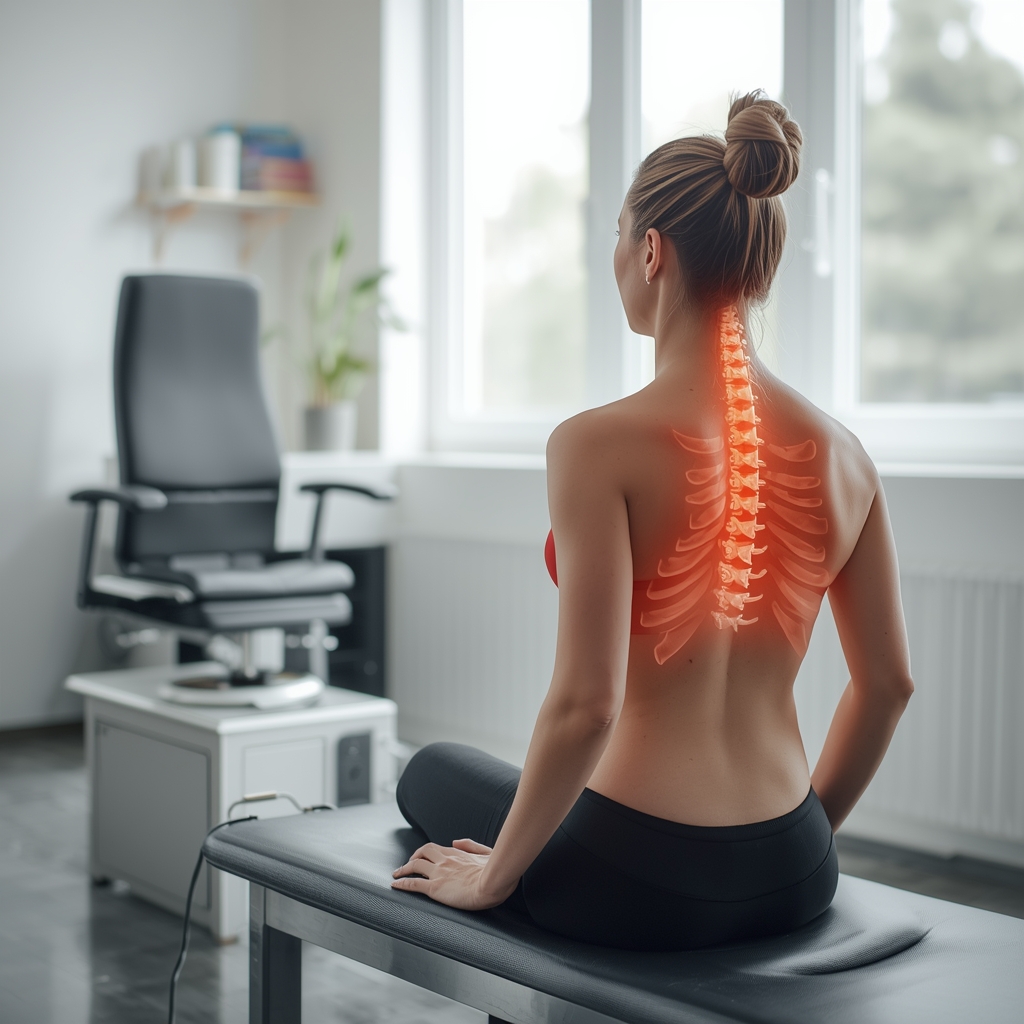
Understanding Postural Imbalances and Neuromuscular Re-Education
Postural imbalances occur when the body's alignment is disrupted, leading to muscle tension, joint stress, and reduced mobility. These imbalances often stem from poor ergonomics, repetitive movements, or injury. Neuromuscular re-education focuses on restoring proper muscle activation patterns and improving proprioception—the body's ability to sense movement and position. This process is critical for patients experiencing chronic pain, limited range of motion, or functional limitations. By retraining the nervous system to communicate effectively with muscles, patients can achieve better posture, reduce discomfort, and enhance overall movement efficiency. EMS (Electrical Muscle Stimulation) is one tool that supports this re-education by delivering targeted electrical impulses to stimulate muscle contractions, promoting neuromuscular coordination and strength. Understanding the principles behind these imbalances and re-education sets the foundation for effective intervention.
How EMS Supports Neuromuscular Re-education
EMS devices use electrical currents to trigger muscle contractions, mimicking the body's natural neuromuscular signals. This technology can help retrain muscles that have become weak, inactive, or misaligned due to postural imbalances. By stimulating specific muscle groups, EMS encourages proper activation patterns, which can improve muscle tone, reduce compensatory movements, and enhance motor control. For patients with postural issues, this targeted stimulation can address muscle asymmetries and promote balanced movement. The process also enhances blood flow and oxygen delivery to muscles, aiding recovery and reducing fatigue. While EMS is not a standalone solution, it complements manual therapies, exercise programs, and ergonomic adjustments. Its non-invasive nature makes it a valuable tool in a multidisciplinary approach to postural correction, offering a safe and customizable method for neuromuscular re-education.
Step 1: Assessing the Patient’s Postural Needs
Before initiating EMS for neuromuscular re-education, a thorough assessment is essential. A qualified chiropractor or therapist evaluates the patient’s posture, muscle strength, and movement patterns to identify specific imbalances. This may involve observing the patient during functional activities, assessing joint mobility, and identifying overactive or underactive muscles. The assessment also considers the patient’s medical history, lifestyle, and goals to tailor the EMS protocol. For example, a patient with forward head posture may require different stimulation patterns than someone with scoliosis. This step ensures the EMS program addresses the root causes of the imbalance rather than just surface symptoms. It also helps set realistic expectations and establishes a baseline for tracking progress. A personalized approach maximizes the effectiveness of EMS and minimizes the risk of improper use.
Step 2: Selecting the Right EMS Parameters
Choosing the appropriate EMS settings is crucial for effective neuromuscular re-education. Factors such as frequency, pulse width, and intensity must align with the patient’s condition and goals. Lower frequencies (1-10 Hz) are often used for muscle relaxation, while higher frequencies (20-100 Hz) stimulate strength and endurance. Pulse width affects the depth of stimulation, with wider pulses targeting deeper muscles. Intensity should be adjusted to a comfortable level that elicits visible muscle contractions without causing pain. The chiropractor may also select electrode placement based on the muscles involved in the postural imbalance. For instance, stimulating the core stabilizers can improve spinal alignment, while targeting the glutes may address hip dysfunction. Regular adjustments to these parameters ensure the therapy remains effective as the patient’s condition evolves.
Step 3: Integrating EMS with Manual and Exercise Therapies
EMS works best when combined with other therapeutic interventions. Manual therapies, such as soft tissue mobilization or joint adjustments, can address structural restrictions that contribute to postural imbalances. These techniques prepare the muscles and joints for EMS by improving flexibility and reducing tension. Simultaneously, targeted exercises—like corrective stretches or strengthening routines—reinforce the neuromuscular re-education process. For example, after using EMS to activate underactive muscles, the patient might perform isometric contractions to solidify new movement patterns. This integrated approach ensures that the benefits of EMS are sustained over time. It also addresses both the symptoms and underlying causes of postural issues, leading to more comprehensive and lasting results. Collaboration between the chiropractor and the patient is key to optimizing this combined strategy.
Step 4: Monitoring Progress and Adjusting the Protocol
Regular evaluation is essential to measure the effectiveness of EMS in neuromuscular re-education. The chiropractor may track improvements in posture, range of motion, and muscle strength through follow-up assessments. Patient feedback about pain levels, comfort, and functional improvements also guides adjustments to the EMS protocol. If progress plateaus, the therapist may modify parameters such as frequency, intensity, or electrode placement to reignite neuromuscular adaptation. This dynamic approach ensures the treatment remains responsive to the patient’s evolving needs. It also helps prevent overuse or dependency on EMS, encouraging the development of independent movement patterns. By maintaining open communication and flexibility in the protocol, the chiropractor supports long-term postural correction and overall musculoskeletal health.












