
Understanding EMS and Its Role in Post-Surgical Recovery
Electrical muscle stimulation (EMS) involves using electrical impulses to trigger muscle contractions, often used to enhance muscle function and recovery. In post-surgical contexts, EMS may help mitigate muscle atrophy, improve circulation, and accelerate healing. While its application in rehabilitation is growing, the evidence supporting its efficacy for post-surgical patients remains an area of active research. EMS is frequently integrated into broader recovery plans, often alongside physical therapy and chiropractic care. Its non-invasive nature makes it appealing for patients seeking to avoid additional surgical interventions or medications. However, the specific mechanisms by which EMS aids recovery are complex and require careful consideration of individual patient needs. Clinicians typically tailor EMS protocols to the type of surgery, the patient’s overall health, and their recovery goals.
Physiological Mechanisms of EMS in Muscle Repair
EMS works by mimicking the brain’s natural signals to muscles, causing them to contract. This process can stimulate blood flow, reduce swelling, and promote the delivery of nutrients to damaged tissues. For post-surgical patients, this may help maintain muscle strength during periods of limited mobility. Research suggests that EMS can also enhance neuromuscular activation, which is critical for restoring function after surgery. By targeting specific muscle groups, EMS may help prevent disuse atrophy, a common complication following procedures that restrict movement. Additionally, the controlled contractions may stimulate collagen production, aiding in tissue repair. While these mechanisms are well-established, their direct impact on post-surgical outcomes requires further study. Patients considering EMS should discuss its potential benefits and limitations with a qualified healthcare provider to ensure it aligns with their recovery plan.
Evidence from Clinical Studies and Research
Several studies have explored EMS’s role in post-surgical recovery, though findings vary based on surgical type and patient populations. For example, research on orthopedic surgeries suggests EMS may improve muscle activation and reduce recovery times when used alongside traditional therapies. A growing body of evidence also highlights its potential to enhance wound healing by increasing oxygen and nutrient delivery to tissues. However, many studies are small-scale or focus on specific conditions, limiting broad applicability. Researchers emphasize the need for larger, randomized trials to establish definitive guidelines. Despite these gaps, EMS is increasingly recognized as a complementary tool in rehabilitation settings. Its use is often guided by clinical judgment, with practitioners balancing potential benefits against individual patient factors. As the evidence base expands, EMS may become a more standardized component of post-surgical care protocols.
Specific Applications in Post-Surgical Rehabilitation
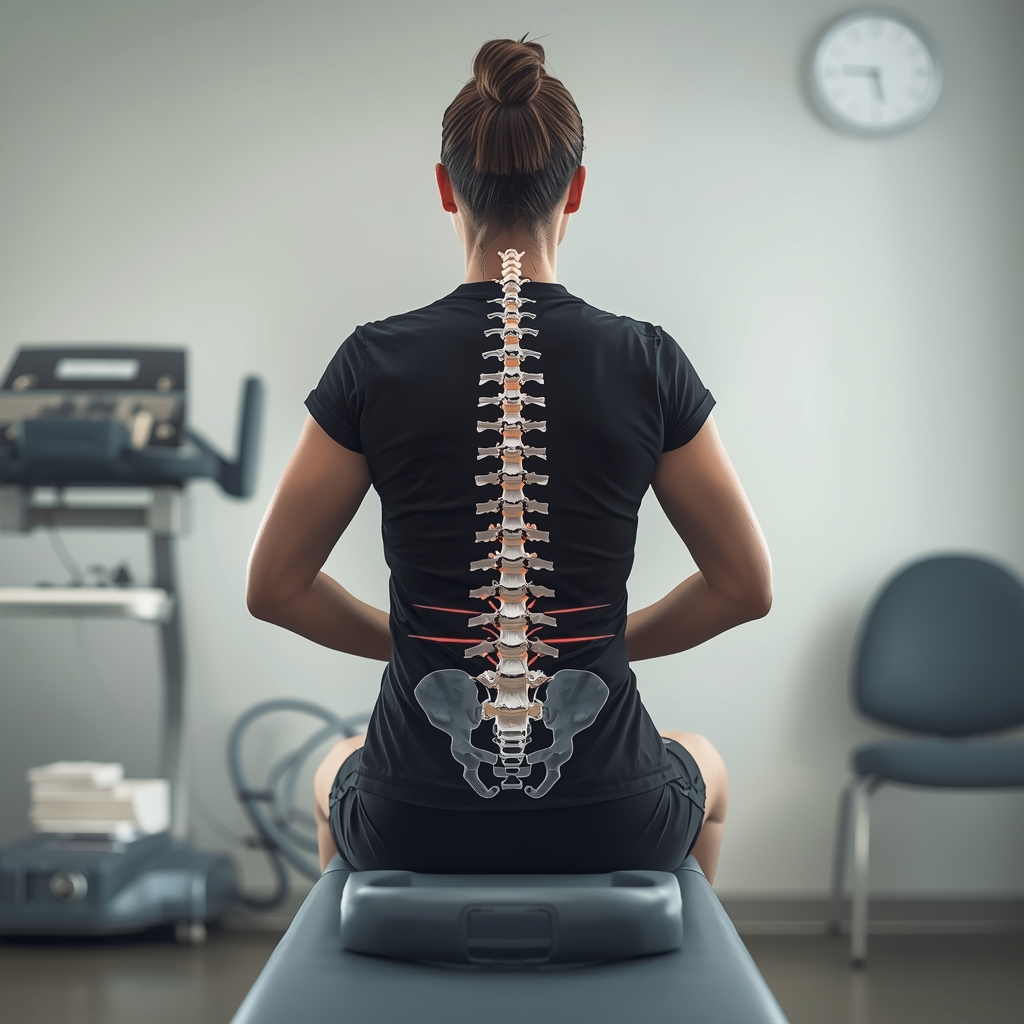
EMS is commonly applied in recovery from procedures such as joint replacements, abdominal surgeries, and orthopedic repairs. For instance, after knee or hip replacement, EMS may help restore quadriceps strength and improve range of motion. In abdominal surgeries, it could support core muscle engagement without straining the incision site. Patients recovering from spinal surgeries might benefit from EMS to stabilize surrounding musculature and reduce compensatory movement patterns. The therapy is also used in cases of nerve damage, where it may stimulate neural pathways to enhance recovery. Each application requires customization, as the intensity, duration, and frequency of stimulation vary based on the patient’s condition. While EMS is not a standalone solution, its targeted approach makes it a valuable adjunct to conventional rehabilitation strategies. Practitioners often combine it with manual therapies, exercise programs, and chiropractic adjustments for optimal outcomes.
Safety Considerations and Patient Suitability
While EMS is generally safe, its use in post-surgical patients requires careful evaluation. Factors such as the type of surgery, presence of implants, and individual healing rates influence its appropriateness. Patients with certain conditions, like pacemakers or active infections, may need to avoid EMS or modify its application. Proper electrode placement and adherence to recommended protocols are critical to prevent skin irritation or muscle overstimulation. Additionally, EMS should not replace medical advice or prescribed therapies but rather complement them. Healthcare providers often monitor patients closely during initial sessions to assess tolerance and adjust parameters as needed. Open communication between patients and practitioners is essential to address concerns and ensure the therapy aligns with recovery goals. As with any intervention, the decision to use EMS should be made collaboratively, weighing potential benefits against risks.
Conclusion: Integrating EMS into Post-Surgical Care
EMS offers a promising approach to support muscle recovery after surgery, with potential benefits including reduced atrophy, improved circulation, and enhanced functional outcomes. While the evidence is evolving, its integration into rehabilitation plans is increasingly common, particularly when combined with other therapeutic modalities. Patients considering EMS should consult with their healthcare team, including chiropractors, to determine its suitability for their specific needs. As research continues to clarify its role, EMS may become a more standardized tool in post-surgical care. For now, its application remains a nuanced decision, guided by clinical expertise and individual patient factors. By staying informed and working closely with professionals, patients can make empowered choices about their recovery journey.














