
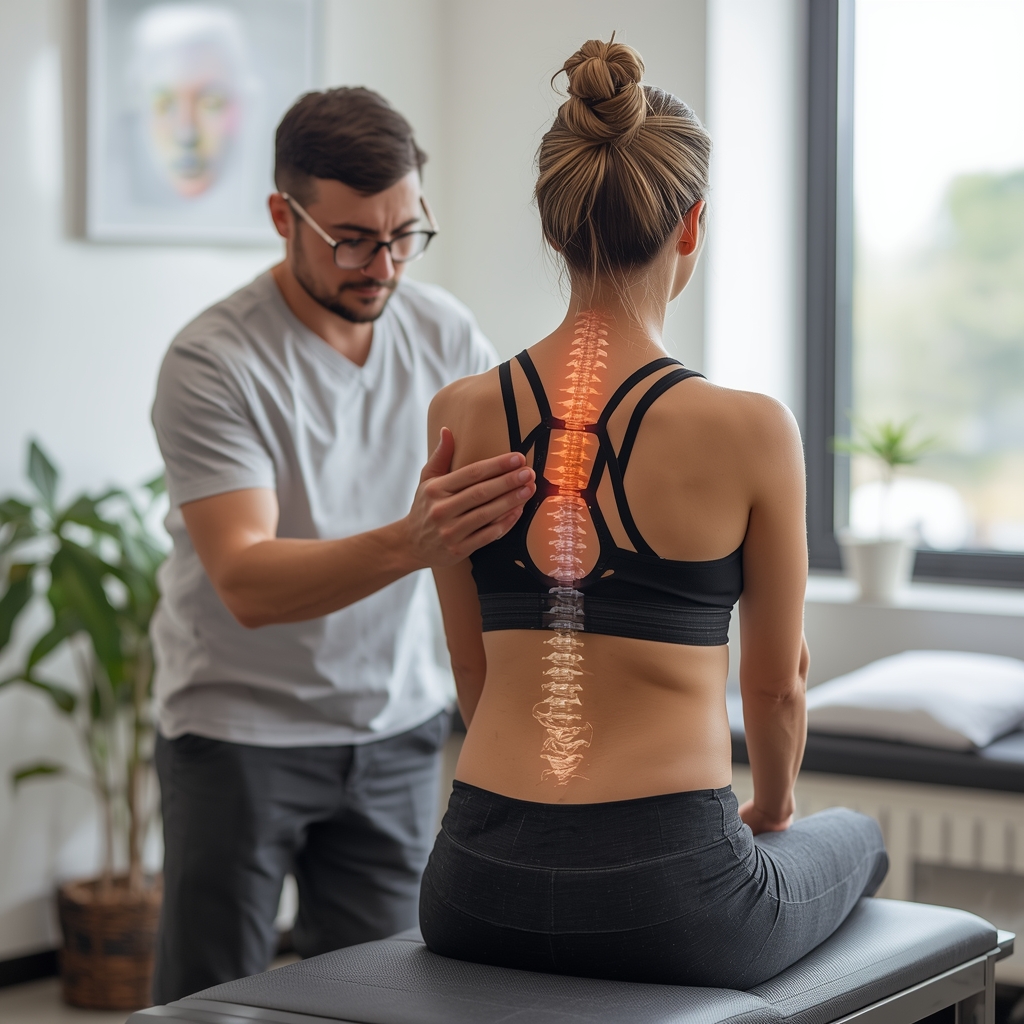
Understanding Scoliosis and Spinal Stability
Scoliosis is a condition characterized by an abnormal sideways curvature of the spine, which can affect posture, mobility, and overall spinal function. While the exact causes vary, maintaining spinal stability is crucial for managing symptoms and preventing progression. Chiropractors play a key role in supporting patients with scoliosis by addressing misalignments and promoting structural balance. Spinal stability refers to the spine’s ability to maintain proper alignment under normal and stress-inducing conditions. For scoliosis patients, this involves strengthening the muscles around the spine, improving flexibility, and ensuring joints move correctly. Chiropractic care focuses on these areas through non-invasive, patient-centered approaches. By understanding the interplay between spinal mechanics and scoliosis, chiropractors can develop strategies to enhance stability and reduce discomfort. This proactive approach helps patients maintain better posture, minimize pain, and improve their quality of life.
The Role of Targeted Exercises in Scoliosis Management
Targeted exercises are a cornerstone of scoliosis management, designed to strengthen core muscles, improve posture, and enhance spinal flexibility. Chiropractors often collaborate with physical therapists to create personalized exercise plans that address specific curvature patterns and patient needs. These exercises may include postural correction drills, resistance training, and stretching routines tailored to the individual’s condition. For example, exercises that engage the deep stabilizing muscles of the back and abdomen can help counteract the imbalances caused by scoliosis. Regular movement also promotes blood flow and reduces stiffness, which are essential for long-term spinal health. While these exercises are not a substitute for professional care, they complement chiropractic adjustments by reinforcing structural improvements. Patients who consistently follow their prescribed routines often report better mobility and fewer episodes of pain. It is important to note that any exercise program should be guided by a qualified healthcare provider to ensure safety and effectiveness.
How Chiropractic Adjustments Support Spinal Alignment
Chiropractic adjustments involve manual manipulations of the spine to correct misalignments and restore proper function. For scoliosis patients, these adjustments aim to reduce pressure on nerves, improve joint mobility, and encourage the spine to maintain a more balanced position. While adjustments cannot reverse the curvature itself, they can alleviate associated symptoms such as pain, stiffness, and nerve irritation. Chiropractors use gentle, precise techniques to address areas of restriction, which may help the body adapt to a more stable posture over time. The frequency and intensity of adjustments depend on the severity of the condition and the patient’s response to treatment. Some individuals may require regular sessions to maintain progress, while others may benefit from periodic check-ins. By focusing on the spine’s structural integrity, chiropractors help patients manage their symptoms and reduce the risk of further complications. This approach is often part of a broader strategy that includes exercise, lifestyle modifications, and patient education.
Combining Exercise and Adjustments for Optimal Results
A holistic approach that integrates targeted exercises with regular chiropractic adjustments offers the best outcomes for scoliosis patients. Adjustments address immediate structural imbalances, while exercises build the strength and flexibility needed to sustain those improvements. This synergy can enhance the spine’s ability to maintain stability, even as daily activities or aging naturally challenge its structure. For instance, a patient might receive an adjustment to realign a restricted joint, followed by guided exercises to reinforce the new position and prevent future misalignments. Chiropractors often monitor progress through follow-up evaluations, adjusting both the exercise regimen and adjustment frequency as needed. This dynamic process ensures that care remains responsive to the patient’s evolving needs. By combining these methods, patients can experience greater comfort, improved mobility, and a reduced likelihood of symptom flare-ups. The key is consistency—both exercises and adjustments require regular participation to yield lasting benefits.
Long-Term Strategies for Maintaining Spinal Stability
Maintaining spinal stability with scoliosis is a long-term commitment that involves ongoing care and lifestyle adjustments. Chiropractors work with patients to develop sustainable habits that support spinal health, such as maintaining good posture, avoiding activities that strain the back, and incorporating regular movement into daily routines. Ergonomic modifications, like adjusting workspace setups or using supportive seating, can also play a role in preventing further complications. Additionally, patients are encouraged to stay informed about their condition and engage in open communication with their healthcare providers. Regular check-ups allow chiropractors to assess progress and make necessary adjustments to the care plan. Education is a vital component, as understanding the mechanics of scoliosis empowers patients to take an active role in their management. By combining professional guidance with personal responsibility, individuals can achieve greater stability and reduce the impact of scoliosis on their daily lives.
When to Seek Professional Guidance
If you or a loved one is experiencing symptoms of scoliosis, such as uneven shoulders, a visible curve in the spine, or persistent back pain, it is important to consult a qualified chiropractor. A professional can perform a thorough evaluation to determine the severity of the condition and recommend an appropriate care plan. Chiropractors are trained to identify subtle spinal imbalances and develop strategies to address them through adjustments and exercise. Early intervention is often key to managing scoliosis effectively, as it can prevent the condition from worsening over time. Patients should also seek guidance if they notice changes in their symptoms or if their current treatment plan is not yielding the desired results. A chiropractor can adjust the approach to better suit the individual’s needs, ensuring that care remains effective and personalized. By working with a trusted provider, patients can take proactive steps toward maintaining spinal stability and improving their overall well-being.














