
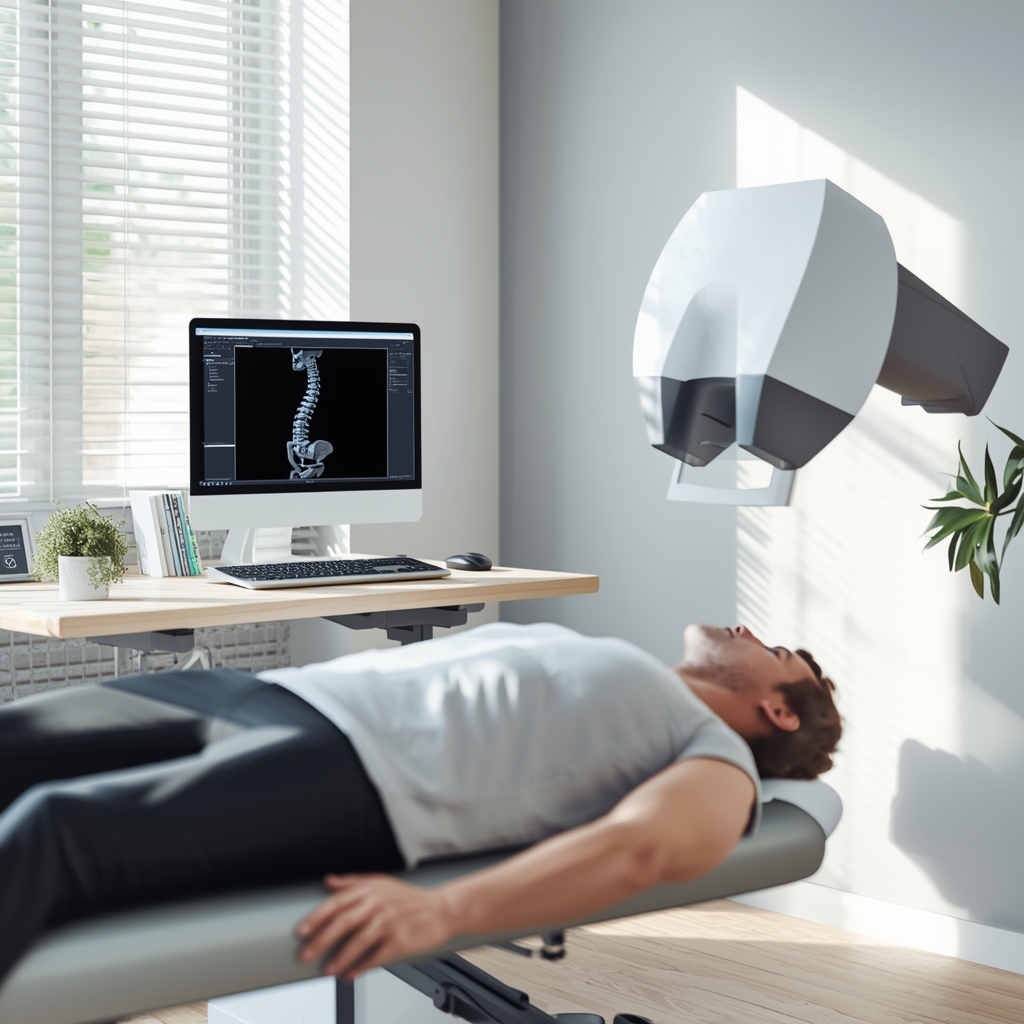
How 3D Modeling Software Enhances Patient Understanding of Spinal Decompression Therapy
## Enhancing Patient Understanding Through 3D Visualization
3D modeling software offers a dynamic way to simplify complex medical procedures like spinal decompression therapy. By creating interactive, anatomical representations, chiropractors can break down the mechanics of decompression into digestible visuals. Patients often struggle to grasp how spinal adjustments relieve pressure on nerves or discs, but 3D models provide a clear, step-by-step view of the process. This approach bridges the gap between technical jargon and patient comprehension, fostering trust and informed decision-making. The software can highlight specific spinal structures, showing how decompression creates space between vertebrae to reduce pain and promote healing. Such tools are especially valuable for patients with chronic conditions who need ongoing education about their treatment plans.
## How 3D Models Simplify Spinal Decompression
Spinal decompression therapy involves gently stretching the spine to alleviate pressure on compressed nerves or discs. 3D modeling software can simulate this process in real time, demonstrating how the spine shifts during treatment. For example, a model might show a herniated disc being repositioned or a nerve pathway unobstructed. These visualizations help patients understand why the therapy is recommended and what to expect during sessions. By illustrating the relationship between spinal alignment and nerve function, 3D models make abstract concepts tangible. This clarity can reduce anxiety and improve patient cooperation, as individuals feel more involved in their care. The software also allows practitioners to tailor explanations to a patient’s specific condition, ensuring the information is both relevant and easy to grasp.
## Benefits of Visual Learning in Chiropractic Care
Visual learning is a powerful tool in healthcare education, and 3D modeling amplifies its effectiveness. Patients often retain information better when they can see how a treatment works, rather than just hearing about it. For spinal decompression, this means patients can visualize the reduction of disc pressure or the restoration of spinal mobility. Such insights help them appreciate the therapy’s role in their recovery journey. Additionally, 3D models can address common misconceptions, like the belief that decompression is painful or risky. By showcasing the controlled, gradual nature of the process, these tools build confidence in the treatment. Visual aids also support follow-up care, as patients can refer back to the models to understand long-term benefits. Overall, this technology enhances communication between chiropractors and patients, leading to more engaged and informed care.
## Interactive Tools for Patient Engagement
Interactive 3D models allow patients to explore spinal anatomy at their own pace, deepening their understanding of decompression therapy. These tools can be accessed via tablets or computers, enabling patients to manipulate the models and focus on areas of personal interest. For instance, a patient might zoom in on a specific vertebra or watch a simulation of decompression in action. This interactivity fosters a sense of ownership over their health, encouraging questions and discussions during appointments. Chiropractors can also use these models to demonstrate how lifestyle factors, such as posture or exercise, impact spinal health. By making education a two-way process, 3D modeling strengthens the patient-provider relationship. It also empowers patients to make informed choices about their treatment, aligning their expectations with clinical goals.
## Customizing Education to Individual Needs
Every patient’s spine is unique, and 3D modeling software allows chiropractors to tailor educational materials to individual cases. By inputting a patient’s specific spinal measurements or imaging data, practitioners can create personalized visualizations that reflect their condition. This customization ensures patients see how decompression therapy applies to their situation, rather than relying on generic explanations. For example, a patient with a bulging disc might view a model highlighting the affected area and how decompression alleviates pressure. Such targeted education can improve treatment adherence and satisfaction, as patients feel their care is precisely aligned with their needs. It also helps address concerns about the therapy’s effectiveness, offering concrete visual evidence of potential outcomes. This level of personalization strengthens the therapeutic alliance between chiropractors and patients.
## Integrating Technology Into Chiropractic Practice
Adopting 3D modeling software requires chiropractors to invest in user-friendly tools that integrate seamlessly into their workflow. Many platforms now offer pre-built anatomical models, reducing the need for specialized design skills. Practitioners can use these resources during consultations to explain decompression therapy, answer questions, and reinforce key concepts. Training staff to navigate the software ensures consistent use across appointments. While the initial setup may take time, the long-term benefits include improved patient compliance and reduced misunderstandings about treatments. As technology evolves, 3D modeling will likely become a standard part of patient education, enhancing both clinical outcomes and satisfaction. Chiropractors who embrace this innovation position themselves as forward-thinking providers committed to clear, effective communication.














