
Understanding Iliotibial Band Syndrome and Graston Technique
Iliotibial Band Syndrome (ITBS) is a common overuse injury causing lateral knee pain, often linked to repetitive activities like running or cycling. The Graston Technique, an instrument-assisted soft tissue therapy, uses specialized tools to detect and break down scar tissue and adhesions in muscles and fascia. While primarily used for musculoskeletal conditions, its application in ITBS focuses on reducing tension in the iliotibial band and surrounding tissues. Combining this with spinal adjustments may address biomechanical imbalances contributing to the condition. However, clinical evidence on this specific integration remains limited, emphasizing the need for further research and practitioner expertise.
How the Graston Technique Addresses Soft Tissue Restrictions
The Graston Technique targets soft tissue restrictions by applying controlled microtrauma to affected areas, promoting healing and restoring mobility. For ITBS, this approach can alleviate tightness in the iliotibial band, gluteal muscles, and hip flexors, which often exacerbate knee pain. By breaking down adhesions and improving blood flow, the technique may reduce inflammation and enhance tissue elasticity. While studies on its direct efficacy for ITBS are sparse, anecdotal reports suggest it complements traditional therapies. When paired with spinal adjustments, the goal is to correct postural or structural misalignments that might perpetuate strain on the IT band, though this synergy requires careful clinical evaluation.
The Role of Spinal Adjustments in ITBS Management
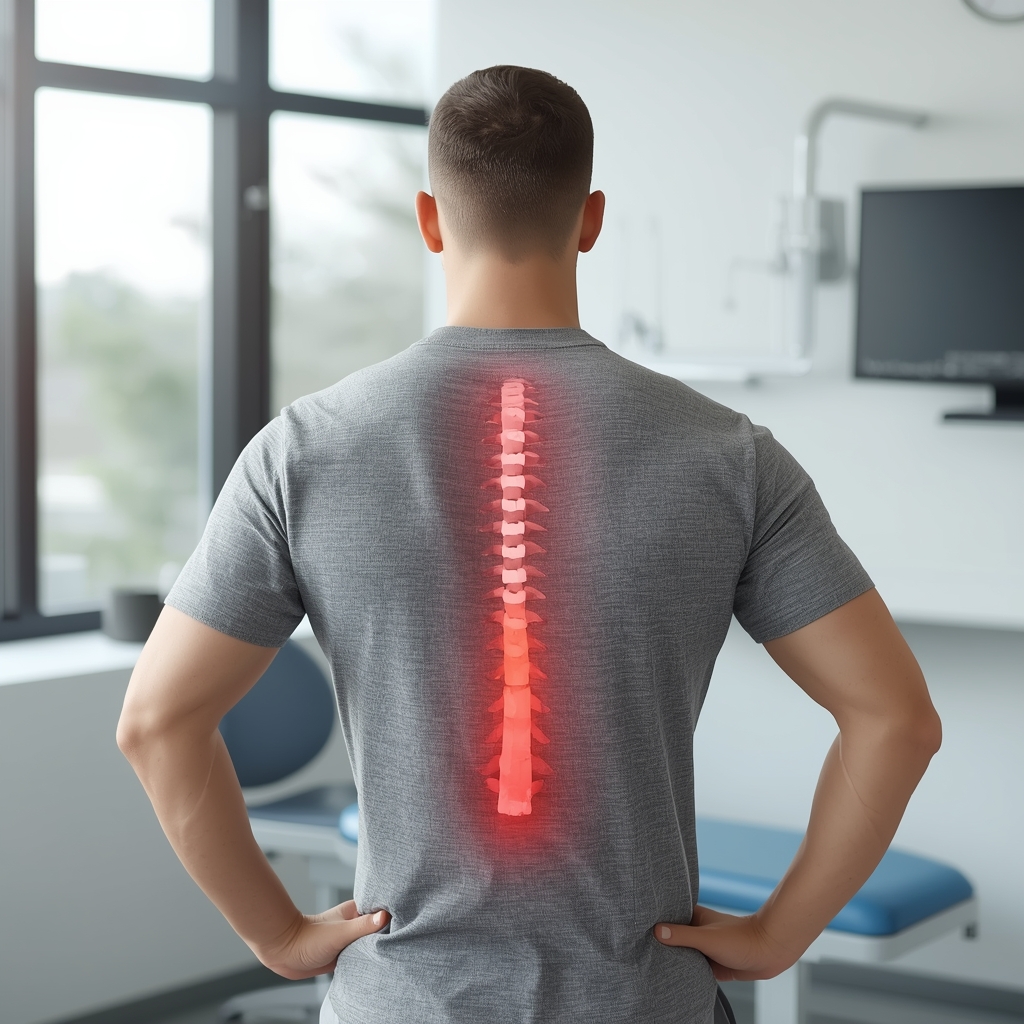
Spinal adjustments aim to restore proper alignment and function to the vertebral column, potentially influencing nerve signaling and musculoskeletal mechanics. In ITBS, misalignments in the lumbar or sacral regions might contribute to altered gait patterns or muscle imbalances, indirectly affecting the IT band. By correcting these issues, adjustments may reduce compensatory stresses on the knee. However, the direct connection between spinal health and ITBS remains under-researched. Practitioners often use adjustments as part of a broader treatment plan, alongside soft tissue work like Graston, to address both local and systemic factors. Patients should consult qualified providers to determine if this approach suits their specific condition.
Evidence-Based Integration of Graston and Spinal Adjustments
While no definitive studies combine Graston Technique with spinal adjustments for ITBS, evidence supports each method’s individual benefits. Graston’s role in soft tissue rehabilitation is well-documented in conditions like tendinopathy, while spinal adjustments are broadly associated with musculoskeletal pain relief. Clinicians may integrate these therapies by first addressing soft tissue restrictions with Graston, followed by spinal adjustments to optimize biomechanics. This approach aligns with holistic care principles, targeting both local and systemic contributors to ITBS. However, the lack of standardized protocols underscores the importance of personalized treatment plans. Patients should seek practitioners with experience in both modalities to ensure safe and effective care.
Clinical Applications and Case Study Insights
Clinical practice often involves combining Graston Technique with spinal adjustments for ITBS, though case studies are limited. Some practitioners report improved outcomes when addressing both soft tissue and spinal dysfunctions, suggesting a potential synergistic effect. For example, a patient with chronic ITBS might receive Graston to release tightness in the hip and thigh, followed by adjustments to correct pelvic alignment. These cases highlight the value of a multidisciplinary approach but also reveal gaps in systematic research. Patients considering this combination should discuss their goals and medical history with a chiropractor to explore whether such an approach aligns with their needs.
Key Considerations for Patients and Practitioners
Patients seeking Graston Technique and spinal adjustments for ITBS should prioritize qualified, experienced providers. While these methods are generally safe, improper application could worsen symptoms. Practitioners must conduct thorough assessments to determine if the combination is appropriate, considering factors like injury severity and overall health. Open communication between patient and provider is critical to tailor the treatment plan. Additionally, patients should be aware that results vary, and this approach may not replace other therapies like physical rehabilitation. Exploring evidence-based options and maintaining realistic expectations will help optimize outcomes for chronic ITBS management.












