
Understanding IT Band Syndrome and Its Challenges
Iliotibial band syndrome (ITBS) is a common overuse injury affecting the lateral knee, often seen in runners, cyclists, and athletes. The iliotibial band, a thick band of fascia, becomes inflamed due to repetitive friction against the femur. Symptoms include sharp or burning pain, swelling, and difficulty with activities like running or climbing stairs. Traditional treatments focus on rest, ice, and stretching, but chronic cases may require more targeted interventions. Soft tissue mobilization techniques, including the Graston Technique, are increasingly used to address adhesions and restore normal function. This article explores how the Graston Technique complements soft tissue mobilization in managing ITBS, offering a non-invasive approach to alleviate pain and improve mobility.
What Is the Graston Technique?
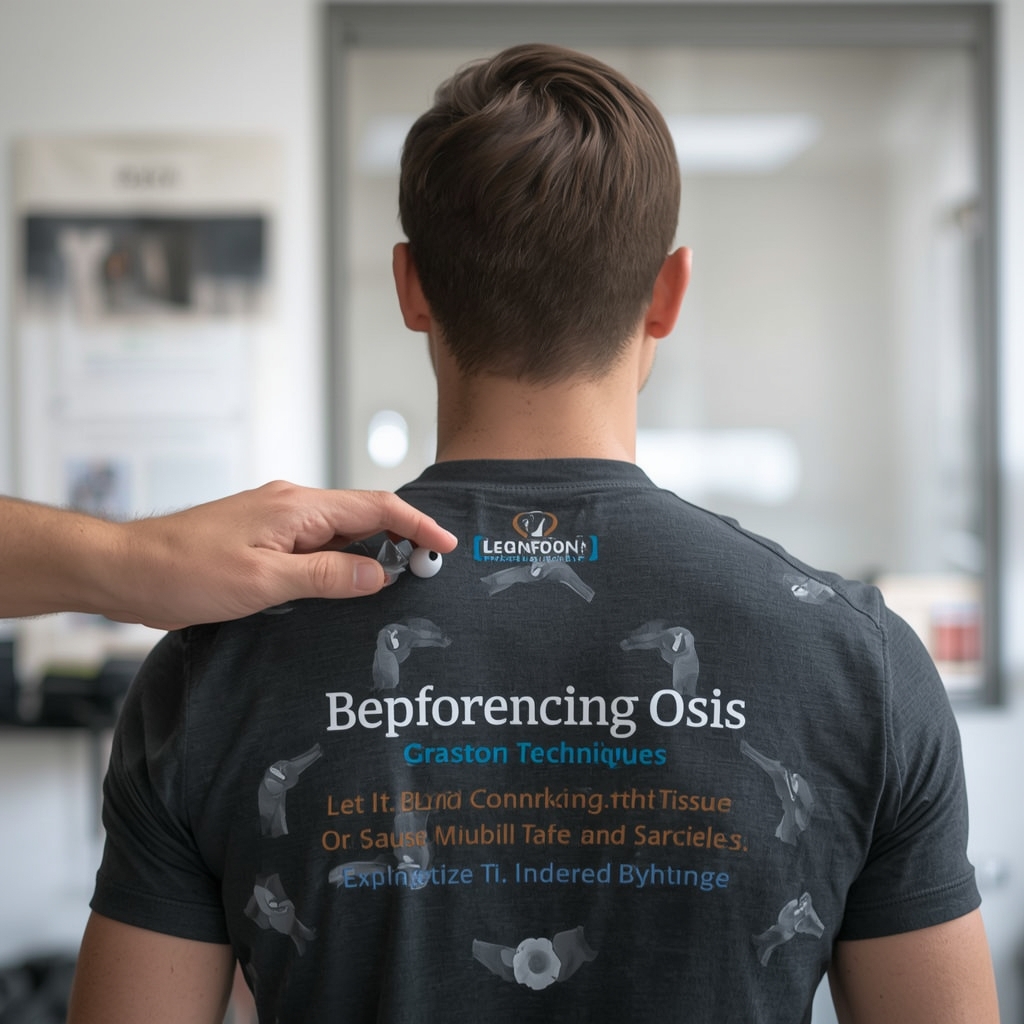
The Graston Technique is an instrument-assisted soft tissue mobilization method designed to detect and treat areas of restricted movement and scar tissue. It uses specialized stainless steel tools to glide over the skin, identifying and breaking down adhesions in muscles, tendons, and ligaments. By applying controlled pressure, the technique aims to reduce pain, improve range of motion, and promote healing. While not a standalone treatment, it is often integrated into broader rehabilitation plans. For ITBS, the Graston Technique may help reduce inflammation and restore flexibility in the iliotibial band. Practitioners emphasize its role in complementing manual therapy, stretching, and strengthening exercises, making it a versatile tool for musculoskeletal conditions.
How Graston Complements Soft Tissue Mobilization
Soft tissue mobilization (STM) involves manual techniques to manipulate muscles and fascia, but the Graston Technique enhances this process by providing a more precise approach. The instruments allow practitioners to detect and target specific areas of tightness or scar tissue that may be contributing to ITBS. This combination can break down adhesions, reduce inflammation, and improve blood flow to the affected area. By addressing both the surface and deeper layers of soft tissue, the Graston Technique may accelerate recovery compared to manual methods alone. Patients often report reduced pain and increased mobility after sessions, though results vary. It is typically used alongside stretching, strengthening, and activity modification to address the root causes of ITBS and prevent recurrence.
Benefits of Combining Graston with Soft Tissue Therapy
Combining the Graston Technique with traditional soft tissue mobilization offers several potential benefits for ITBS. The instruments enable more efficient breakdown of scar tissue and adhesions, which can be difficult to address manually. This may lead to faster pain relief and improved function. Additionally, the Graston Technique can enhance the effectiveness of stretching and strengthening exercises by preparing the tissue for movement. Patients may experience reduced inflammation, better range of motion, and a quicker return to activity. However, results depend on individual factors, including the severity of the condition and adherence to a comprehensive treatment plan. As with any therapy, it is important to consult a qualified chiropractor to determine if this approach is suitable for your specific needs.
Considerations and Safety
While the Graston Technique is generally safe when performed by trained professionals, it is not without risks. Patients may experience temporary soreness, bruising, or increased inflammation after sessions. It is crucial to work with a licensed chiropractor or physical therapist who has experience with instrument-assisted therapy. For ITBS, the technique should be tailored to the individual’s pain levels and tissue response. Overuse or improper application could worsen symptoms or delay healing. Additionally, the Graston Technique is not a substitute for addressing underlying causes, such as biomechanical imbalances or training errors. A holistic approach that includes activity modification, strength training, and proper footwear is often necessary for long-term relief. Always discuss potential risks and benefits with a healthcare provider before starting treatment.
Conclusion: A Holistic Approach to ITBS Management
The Graston Technique, when combined with soft tissue mobilization, offers a valuable tool for managing iliotibial band syndrome. By targeting adhesions and improving tissue flexibility, it can help reduce pain and restore mobility. However, its effectiveness depends on proper application and integration with other therapeutic strategies. Patients should view it as part of a broader care plan that addresses the root causes of ITBS. As with any treatment, individual results may vary, and consultation with a qualified chiropractor is essential. By combining evidence-based techniques with personalized care, patients can achieve better outcomes and return to their activities with greater comfort and confidence.













