
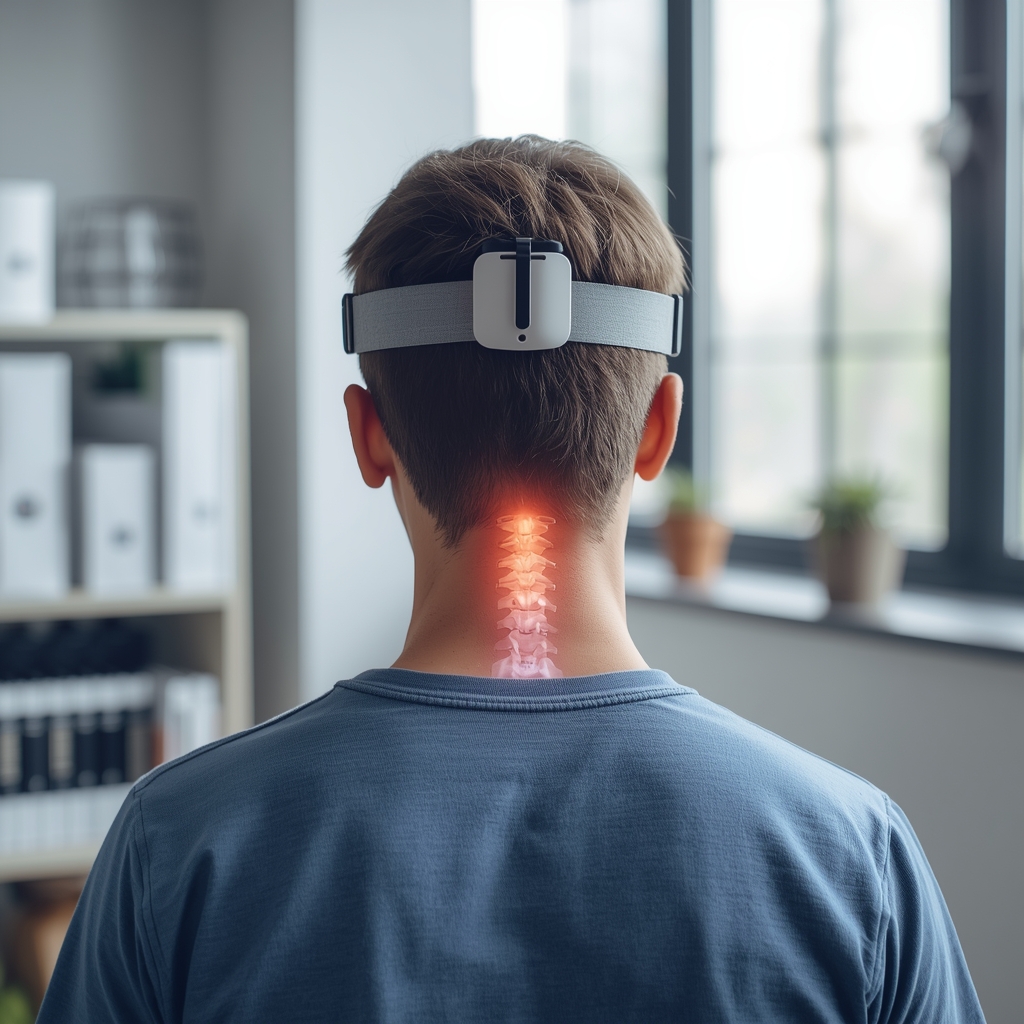
Understanding Tech Neck in the Age of Virtual Reality
Tech neck, a modern posture-related condition caused by prolonged forward head and neck positioning, has become increasingly prevalent with the rise of virtual reality (VR) and augmented reality (AR) headsets. These devices often require users to look down or maintain awkward head angles, leading to strain on the cervical spine and surrounding muscles. Over time, this can result in chronic pain, reduced mobility, and even nerve compression. As VR technology becomes more integrated into entertainment, education, and professional training, understanding how to mitigate its physical toll is critical. Chiropractic care offers proactive strategies to address posture imbalances and prevent long-term complications. By focusing on alignment, muscle function, and ergonomic habits, chiropractors can help users maintain spinal health while enjoying the benefits of immersive technology.
The Role of Chiropractic Care in Prevention
Chiropractic care plays a vital role in preventing tech neck by addressing the root causes of posture-related strain. Regular spinal evaluations can identify misalignments or muscle imbalances that contribute to forward head posture, a common issue among VR users. Chiropractors may use a combination of adjustments, soft tissue therapies, and patient education to restore proper biomechanics. For example, adjustments can realign the cervical spine, while targeted exercises can strengthen the muscles that support the neck and upper back. Additionally, chiropractors often emphasize the importance of movement breaks and ergonomic setup to reduce cumulative strain. By fostering a proactive approach to spinal health, chiropractic care empowers users to enjoy VR experiences without compromising their physical well-being.
Posture Correction Techniques for VR Users
Correcting posture is a cornerstone of preventing tech neck, especially for individuals who spend extended periods in VR environments. Chiropractors often recommend exercises to strengthen the deep neck flexors and upper back muscles, which help maintain an upright head position. Techniques like the chin tuck exercise and wall angels can improve alignment and reduce the risk of strain. Additionally, ergonomic assessments may suggest adjustments to headset placement, such as ensuring the device sits level with the eyes to minimize downward gaze. Chiropractors may also use manual therapies, such as myofascial release, to alleviate tension in overworked muscles. By integrating these posture-focused strategies, users can create a healthier balance between immersive technology use and spinal health.
Spinal Adjustments and Alignment for Tech Neck Relief
Spinal adjustments are a core component of chiropractic care for tech neck, as they help restore proper alignment to the cervical and thoracic spine. Misalignments caused by repetitive forward head posture can lead to nerve irritation, muscle tightness, and reduced range of motion. Chiropractors use gentle, targeted adjustments to correct these issues, promoting optimal spinal function. For VR users, this may involve specific techniques to address the upper cervical region, which is particularly vulnerable to strain. Adjustments not only relieve immediate discomfort but also prevent long-term complications by ensuring the spine can support the head and neck in a neutral position. When combined with other therapies, spinal adjustments offer a comprehensive approach to managing tech neck symptoms.
Soft Tissue Therapy for Muscle Relief and Recovery
Soft tissue therapy is an essential tool in combating the muscle tension and inflammation associated with tech neck. Techniques such as trigger point therapy, myofascial release, and active release therapy (ART) can target the overworked muscles in the neck, shoulders, and upper back. These methods help break up adhesions, improve blood flow, and restore flexibility, reducing the risk of chronic pain. For VR users, soft tissue therapy can alleviate the tightness caused by prolonged headset use and poor posture. Chiropractors often incorporate these therapies into treatment plans to complement spinal adjustments and posture correction exercises. By addressing both structural and muscular components, soft tissue therapy provides a holistic approach to preventing and managing tech neck.
Ergonomic Strategies for Safe VR Headset Use
Ergonomic adjustments are crucial for minimizing tech neck risk during VR sessions. Chiropractors often advise users to position their headsets at eye level to avoid excessive downward gazing, which strains the cervical spine. Proper seating and standing setups can also reduce postural stress, ensuring the body remains in a neutral alignment. Additionally, taking frequent breaks and incorporating movement into VR sessions can prevent muscle fatigue and stiffness. Chiropractors may recommend specific stretches or exercises to perform during these breaks, such as neck rotations or shoulder rolls. By integrating ergonomic principles into daily VR use, users can significantly reduce their risk of developing tech neck while maintaining comfort and productivity.














