
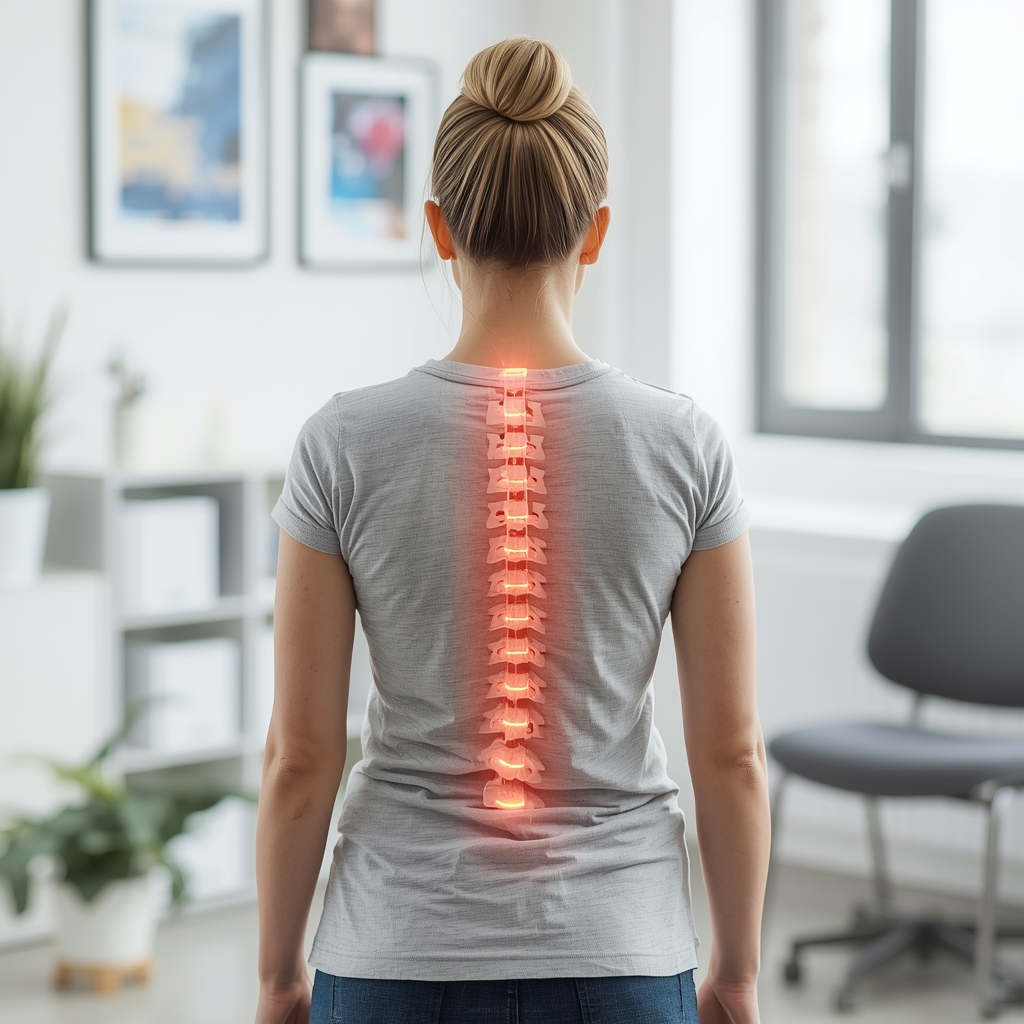
Understanding Scoliosis and the Role of Chiropractic Care
Scoliosis, a condition characterized by an abnormal sideways curvature of the spine, affects millions worldwide. While severe cases may require surgical intervention, many patients explore non-surgical options to manage progression and alleviate symptoms. Chiropractic care has emerged as a complementary approach, focusing on spinal alignment, posture correction, and overall musculoskeletal health. By addressing imbalances and promoting natural movement, chiropractors aim to reduce discomfort and slow curvature development. This article highlights real-life patient experiences where chiropractic strategies played a key role in managing scoliosis without surgery, emphasizing the importance of personalized care and ongoing support.
Real-Life Patient Success Stories
Patients with scoliosis often share stories of how chiropractic care has positively impacted their lives. For example, a teenager diagnosed with mild scoliosis reported reduced back pain and improved posture after consistent adjustments and rehabilitative exercises. Another adult with a history of spinal curvature noted enhanced mobility and fewer flare-ups following a tailored chiropractic plan. These accounts underscore the potential of non-invasive approaches to stabilize spinal health. While individual results vary, many patients emphasize the value of regular check-ups and a multidisciplinary strategy. Such testimonials highlight the importance of working with a qualified chiropractor to monitor progress and adapt treatments as needed.
How Chiropractic Care Addresses Scoliosis
Chiropractic care for scoliosis typically involves a combination of spinal adjustments, soft tissue therapy, and corrective exercises. Adjustments aim to realign the spine, reducing pressure on nerves and muscles that may contribute to discomfort. Soft tissue techniques, such as myofascial release, can ease tension in areas affected by the curvature. Additionally, targeted exercises help strengthen core muscles and improve posture, which may slow progression. Chiropractors often collaborate with other healthcare providers to create a holistic plan, ensuring patients receive comprehensive support. By focusing on the body’s natural ability to heal, chiropractic care offers a non-surgical alternative that prioritizes long-term wellness over temporary symptom relief.
Non-Surgical Management Strategies
Non-surgical scoliosis management often includes a mix of chiropractic care, physical therapy, and lifestyle modifications. Chiropractors may recommend specific stretches or ergonomic adjustments to reduce strain on the spine. Patients are frequently encouraged to maintain an active lifestyle, as movement supports spinal flexibility and strength. In some cases, bracing is used alongside chiropractic interventions to stabilize the spine, particularly in growing adolescents. These strategies aim to minimize the need for surgery by addressing the root causes of discomfort and imbalance. Regular follow-ups allow chiropractors to track changes and adjust treatment plans, ensuring patients receive ongoing support tailored to their unique needs.
Long-Term Outcomes and Patient Testimonials
Long-term success with chiropractic care for scoliosis often hinges on consistency and patient commitment. Many individuals report sustained improvements in pain levels and quality of life after years of regular treatment. One patient shared how consistent adjustments helped prevent the need for surgery, while another noted greater confidence in daily activities. These stories reflect the potential of non-invasive approaches to foster lasting spinal health. However, outcomes depend on factors like the severity of the curvature, the patient’s age, and adherence to recommended care. Chiropractors emphasize that while results vary, a proactive approach can significantly impact long-term outcomes and overall well-being.
Encouraging Informed Decisions About Scoliosis Care
For patients considering chiropractic care for scoliosis, it’s essential to consult with a licensed professional who specializes in spinal conditions. A thorough evaluation can help determine the most appropriate strategies for individual needs. While chiropractic care is not a substitute for medical advice, it can complement traditional treatments and offer additional relief. Patients are encouraged to ask questions, understand their options, and make informed decisions about their health. By exploring non-surgical alternatives like chiropractic care, individuals may find effective ways to manage scoliosis and maintain an active, pain-free lifestyle. Always seek guidance from qualified healthcare providers to ensure safe and personalized care.













