
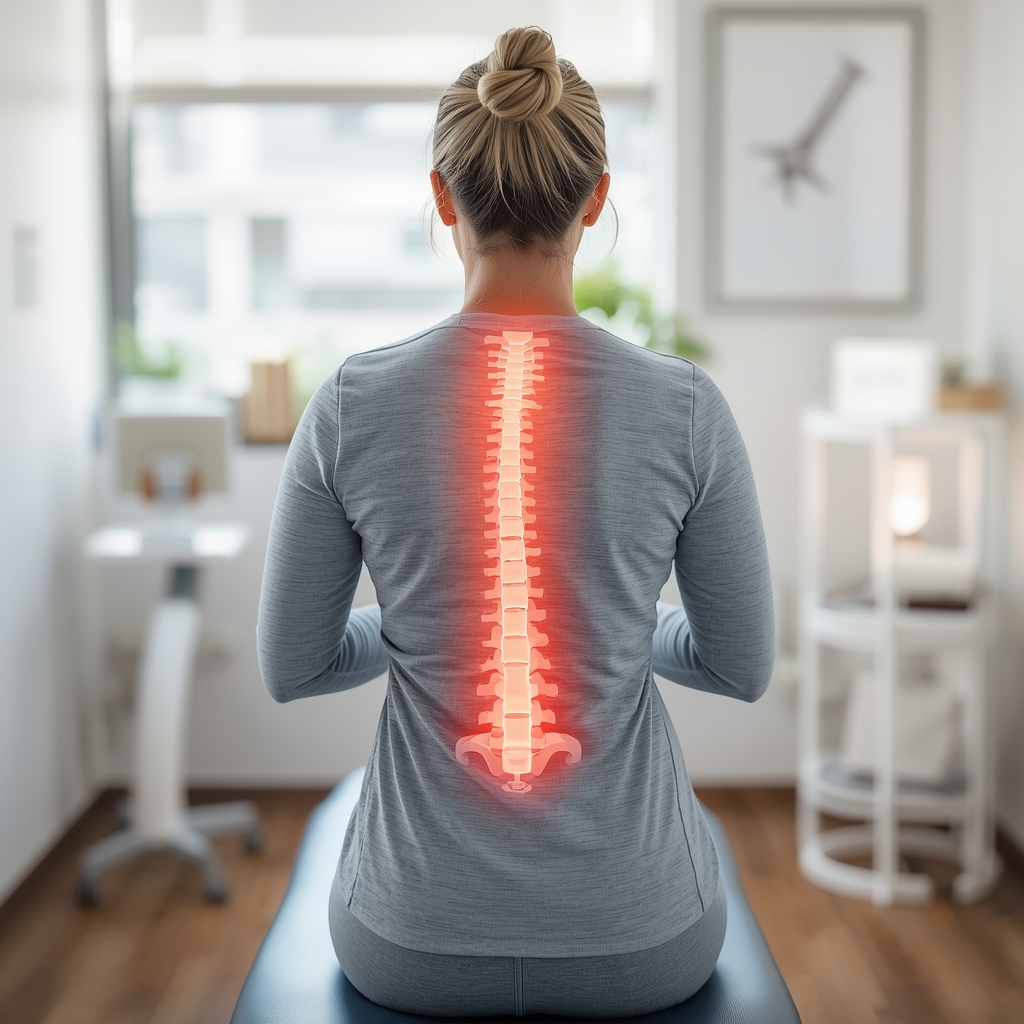
Understanding Spinal Stenosis and Decompression Needs
Spinal stenosis occurs when the spinal canal narrows, compressing nerves and causing pain, numbness, or weakness. This condition often affects the neck (cervical stenosis) or lower back (lumbar stenosis), limiting mobility and quality of life. Decompression techniques aim to relieve pressure on the spine and nerves, offering symptom management. While conservative approaches like physical therapy and medication are common, decompression therapies provide targeted relief. These methods vary in approach, from mechanical traction to manual adjustments, and their effectiveness depends on individual factors. Patients should consult a chiropractor to determine the best fit for their condition. Understanding the options helps individuals make informed decisions about their care. The goal is to reduce discomfort and improve function without invasive procedures.
Mechanical Traction and Spinal Decompression
Mechanical traction is a widely used decompression technique that involves applying controlled force to the spine to create space between vertebrae. This can alleviate pressure on nerves and discs, reducing pain associated with spinal stenosis. Devices like motorized traction tables allow for precise adjustments, targeting specific areas of the spine. Many patients report improved mobility and reduced inflammation after sessions. However, results vary, and consistency is key. A chiropractor may recommend a series of sessions to achieve optimal outcomes. While generally safe, mechanical traction should be performed by a trained professional to avoid complications. It is often combined with other therapies for enhanced effectiveness. This method is particularly beneficial for those seeking non-surgical alternatives to manage chronic symptoms.
Inversion Therapy for Spinal Stenosis Relief
Inversion therapy uses gravity to gently stretch the spine, creating space between vertebrae and reducing nerve compression. Patients stand or lie on an inversion table, which tilts them upside down to decompress the spine. This technique can relieve pressure in the lumbar region, common in spinal stenosis, and improve posture. Some individuals experience immediate pain reduction, while others notice gradual improvements. Inversion therapy is often used alongside other treatments, such as exercise or manual adjustments. However, it may not suit everyone, particularly those with high blood pressure or cardiovascular issues. A chiropractor can assess suitability and guide proper use. When performed correctly, inversion therapy offers a low-risk, non-invasive option for managing stenosis symptoms and enhancing spinal flexibility.
Decompression Therapy Devices and Techniques
Modern decompression therapy employs specialized devices to gently pull apart the spine, reducing pressure on nerves and discs. These systems, often used in chiropractic offices, use computerized controls to customize the force and duration of decompression. This targeted approach can address specific areas of stenosis, promoting natural healing. Patients typically lie on a padded table while the device applies controlled traction. Many report decreased pain and improved range of motion after multiple sessions. While effective for some, results depend on the severity of the condition and adherence to treatment plans. A chiropractor may recommend combining decompression therapy with exercises to strengthen spinal support. This method is ideal for those seeking a structured, non-invasive solution to manage chronic symptoms.
Manual Adjustments and Spinal Manipulation
Chiropractic adjustments involve hands-on manipulation of the spine to restore proper alignment and relieve nerve pressure. For spinal stenosis, these techniques can improve mobility and reduce discomfort by addressing misalignments. A chiropractor uses controlled, precise movements to adjust vertebrae, potentially easing compression on affected nerves. While not a direct decompression method, manual adjustments can complement other therapies by enhancing overall spinal function. Patients often experience immediate relief, though results vary based on individual conditions. This approach is generally safe when performed by a qualified provider. It is typically part of a broader treatment plan, including exercises or traction. Manual adjustments offer a holistic option for managing stenosis symptoms and supporting long-term spinal health.
Integrating Decompression with Lifestyle and Therapies
Effective management of spinal stenosis often requires a multifaceted approach. Decompression techniques work best when combined with lifestyle modifications and complementary therapies. Regular exercise, such as swimming or walking, strengthens spinal muscles and improves flexibility. Physical therapy may also be recommended to enhance mobility and prevent further degeneration. Posture correction and ergonomic adjustments can reduce strain on the spine, complementing decompression efforts. A chiropractor can tailor a plan that integrates these elements, ensuring a balanced strategy. Patients should maintain open communication with their provider to adjust the approach as needed. By combining decompression with proactive care, individuals can achieve lasting relief and improved quality of life.












