
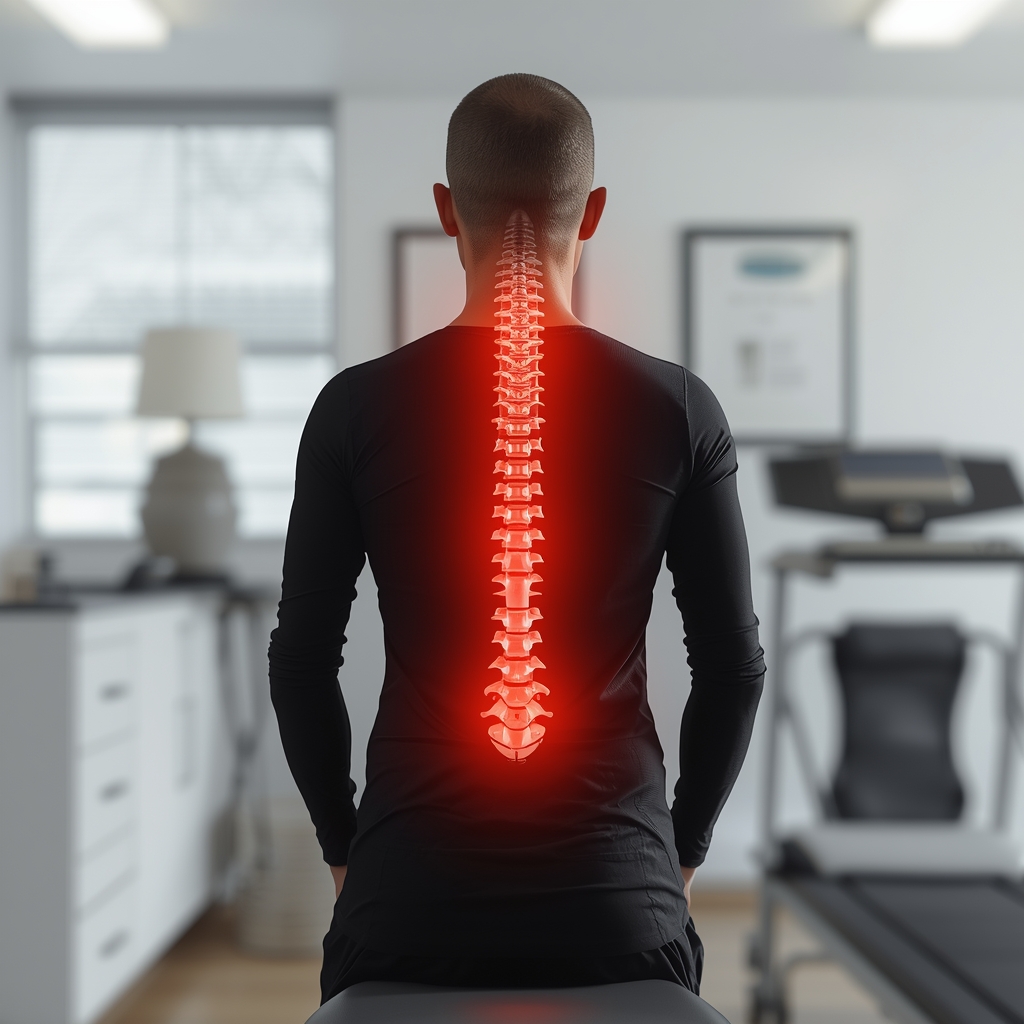
Understanding Degenerative Disc Disease and Early Intervention
Degenerative disc disease (DDD) is a condition where the intervertebral discs in the spine lose their cushioning effectiveness, leading to pain and reduced mobility. While often associated with aging, lifestyle factors and spinal stress can accelerate its progression. Early intervention is critical, as proactive measures may slow deterioration and preserve spinal function. Spinal decompression therapy and core strengthening exercises are two strategies gaining attention for their potential to address DDD at its onset. These approaches aim to reduce pressure on discs, improve alignment, and enhance stability. By focusing on the root causes rather than just symptoms, patients may experience long-term relief and better quality of life. However, it’s essential to consult a qualified chiropractor to determine the most suitable plan for individual needs.
How Spinal Decompression Therapy Works
Spinal decompression therapy involves gently stretching the spine to relieve pressure on compressed discs. This non-surgical technique uses specialized equipment to create negative pressure within the discs, which can promote the retraction of bulging material and encourage the flow of nutrients and fluids. By reducing mechanical stress on the spine, decompression may alleviate pain and slow the degeneration of discs. It is often used for conditions like herniated discs, sciatica, and chronic back pain. The therapy is typically combined with other treatments, such as physical therapy, to maximize benefits. While not a cure, decompression can be a valuable tool in managing DDD when applied early. Patients often report improved mobility and reduced discomfort after consistent sessions. However, results vary, and it’s important to work with a licensed professional to ensure safe and effective implementation.
The Role of Core Strengthening in Spinal Health
Core strengthening exercises target the muscles that stabilize the spine, including the abdominals, lower back, and pelvis. A strong core helps distribute forces evenly across the spine, reducing strain on individual discs and vertebrae. For individuals with DDD, building core strength can enhance spinal alignment and support, potentially slowing the progression of degeneration. Exercises like planks, bridges, and bird-dogs are commonly recommended, but they should be tailored to the patient’s condition. Over time, improved core stability may reduce the risk of further disc damage and improve overall posture. It’s important to start gradually and avoid high-impact movements that could worsen symptoms. A chiropractor or physical therapist can design a safe, progressive program to address specific needs. Combining core strengthening with other interventions may offer a comprehensive approach to managing DDD.
Combining Decompression and Core Strengthening for Optimal Results
Integrating spinal decompression therapy with core strengthening exercises can create a synergistic effect, addressing both structural and functional aspects of DDD. Decompression reduces pressure on discs, while core strengthening enhances spinal stability and posture. This dual approach may improve overall spinal mechanics, reducing the likelihood of further degeneration. For example, decompression can alleviate immediate discomfort, while core exercises build long-term resilience. Patients often see better outcomes when these strategies are part of a broader treatment plan that includes lifestyle adjustments and regular check-ups. However, the success of this combination depends on proper technique and consistency. A chiropractor can monitor progress and adjust the regimen as needed. By addressing both the symptoms and underlying causes, this integrated method may offer more sustainable relief for those with early-stage DDD.
The Importance of Professional Guidance in Treatment
While spinal decompression and core strengthening exercises show promise, they should be part of a personalized treatment plan developed by a qualified chiropractor. Each patient’s condition, medical history, and goals are unique, requiring tailored recommendations. A chiropractor can assess the spine’s current state, identify contributing factors, and design a safe, effective protocol. They may also monitor progress and make adjustments to prevent overexertion or injury. For instance, improper form during core exercises could exacerbate symptoms, while incorrect decompression techniques might cause discomfort. Professional oversight ensures that interventions align with the patient’s needs and avoid potential risks. Regular consultations also allow for ongoing evaluation, helping to refine strategies as the body responds. Ultimately, a collaborative approach between the patient and chiropractor is key to achieving the best possible outcomes.
Lifestyle Factors That Complement Early Intervention
In addition to clinical treatments, lifestyle choices play a significant role in managing DDD. Maintaining a healthy weight reduces stress on the spine, while regular low-impact exercise, such as walking or swimming, supports overall spinal health. Ergonomic adjustments at work and home can minimize posture-related strain, and avoiding repetitive motions that aggravate the back is crucial. Sleep posture also matters—using supportive pillows and mattresses can prevent unnecessary spinal compression. Nutrition is another factor, as a diet rich in anti-inflammatory foods may help reduce disc-related inflammation. Staying hydrated and avoiding smoking are additional steps that contribute to disc health. By combining these habits with spinal decompression and core strengthening, patients can create a holistic strategy to slow DDD progression. However, these measures should complement, not replace, professional care.













