
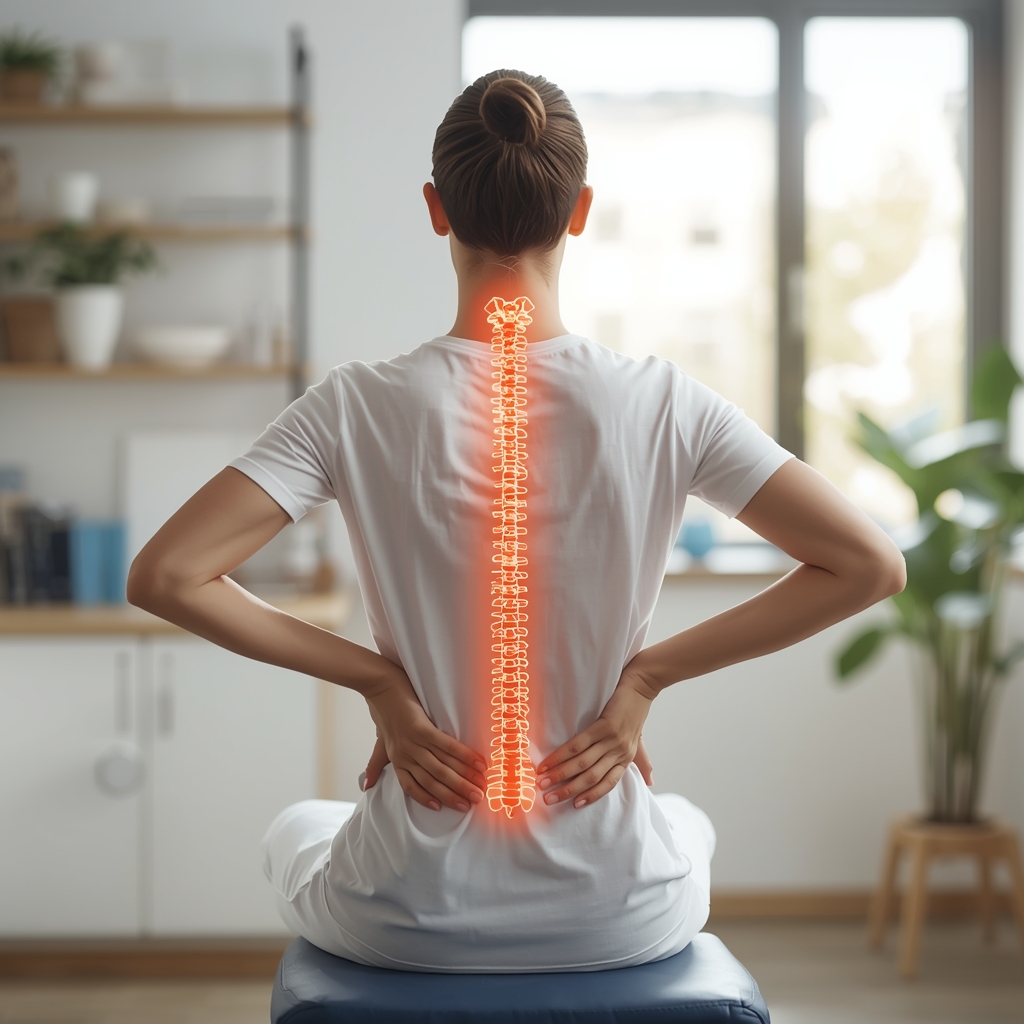
Understanding Conservative Spinal Care Options
Chiropractic care focuses on non-surgical approaches to manage spinal conditions by addressing structural imbalances and promoting natural healing. This method prioritizes conservative treatments like spinal adjustments, soft tissue therapy, and lifestyle guidance. Research highlights its effectiveness for various issues, emphasizing patient safety and avoiding invasive procedures. By focusing on the body’s innate ability to heal, chiropractors aim to reduce pain, improve mobility, and enhance overall function without medication or surgery. This approach is particularly valuable for patients seeking alternatives to traditional medical interventions.
Lower Back Pain and Herniated Discs
Lower back pain is one of the most common reasons people seek chiropractic care. Studies suggest that spinal manipulation can provide significant relief for acute and chronic cases by reducing inflammation and restoring proper joint function. For herniated discs, chiropractic adjustments may alleviate pressure on nerves, though outcomes vary based on condition severity. While not a cure, many patients report improved mobility and reduced reliance on pain medications. Research supports its role as a first-line treatment, especially when combined with exercises and ergonomic adjustments. However, severe cases may require additional interventions, underscoring the need for personalized care plans.
Sciatica and Spinal Stenosis
Sciatica, often caused by nerve compression, responds well to chiropractic care through targeted adjustments that reduce pressure on the sciatic nerve. Spinal stenosis, a narrowing of the spinal canal, may also benefit from conservative management, including decompression techniques and posture correction. Evidence indicates that these methods can ease symptoms like radiating pain and numbness. While surgery is sometimes recommended for severe cases, many patients find lasting relief through chiropractic therapy. Ongoing research continues to explore long-term outcomes, reinforcing the value of non-invasive options for managing these conditions effectively.
Neck Pain and Cervical Disorders
Neck pain, including conditions like cervical radiculopathy, is frequently addressed through chiropractic adjustments that realign the spine and relieve nerve pressure. Studies show that this approach can reduce pain and improve range of motion, particularly for patients with mechanical causes. For chronic conditions such as whiplash-associated disorders, a combination of manual therapy and rehabilitative exercises often yields better results. While evidence supports its efficacy, individual responses vary, and complex cases may require collaboration with other healthcare providers. Chiropractic care remains a safe, non-invasive option for many seeking relief from cervical spine issues.
Evidence-Based Outcomes and Patient Safety
Systematic reviews and clinical trials consistently highlight the safety and efficacy of chiropractic care for specific spinal conditions. For example, guidelines from reputable medical organizations often acknowledge its role in managing low-back pain. Patient-reported outcomes frequently emphasize improved quality of life and reduced disability. However, it’s crucial to differentiate between conditions that respond well to conservative care and those requiring surgical intervention. Chiropractors use diagnostic tools and patient history to determine the best course of action, ensuring treatments align with established medical standards and individual needs.
Consulting a Qualified Provider
While chiropractic care offers valuable options for many spinal conditions, it’s essential to consult a licensed professional for an accurate diagnosis. A chiropractor can evaluate your unique situation and recommend appropriate treatments, whether conservative or requiring referrals to other specialists. Open communication about symptoms, medical history, and treatment goals ensures the safest and most effective care. By working with a qualified provider, patients can make informed decisions that prioritize their health and well-being without unnecessary risks associated with invasive procedures.












