
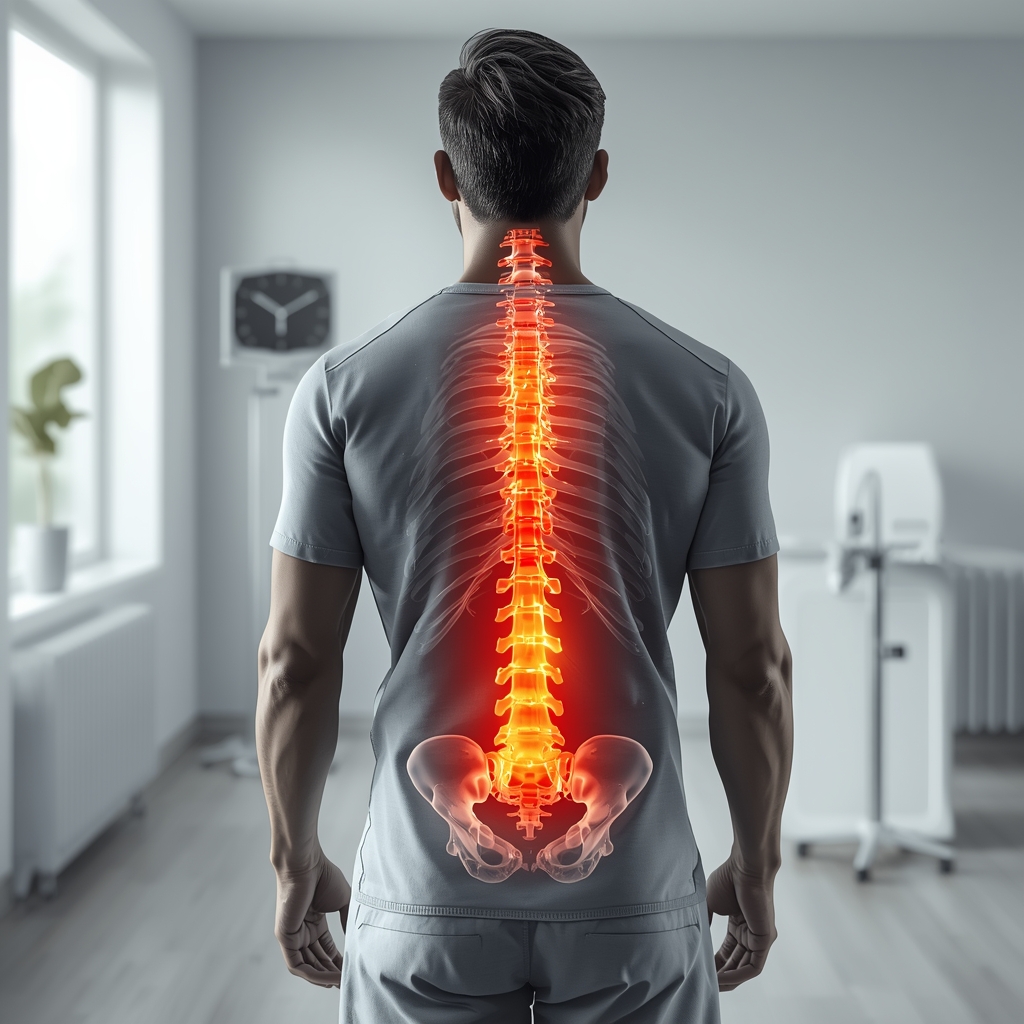
Understanding Lumbar Degenerative Disc Disease
Lumbar degenerative disc disease refers to the gradual breakdown of discs in the lower spine, often causing pain, stiffness, and reduced mobility. While it’s not a disease in the traditional sense, it’s a condition linked to aging, wear and tear, or injury. Common symptoms include lower back pain that may radiate to the hips or legs, difficulty standing or walking for long periods, and muscle weakness. Conservative treatments aim to manage symptoms, improve function, and delay or avoid surgery. These approaches focus on reducing inflammation, strengthening supporting muscles, and enhancing spinal stability. Understanding the condition is the first step in exploring effective, non-surgical options that align with individual needs and goals.
Spinal Manipulation and Chiropractic Adjustments
Spinal manipulation, a cornerstone of chiropractic care, involves precise, controlled forces applied to the spine to improve alignment and mobility. For lumbar degenerative disc disease, adjustments may help alleviate pressure on nerves, reduce inflammation, and restore range of motion. Many patients report improved comfort and function after regular sessions. However, chiropractors often combine this with other therapies for optimal results. It’s important to note that adjustments are tailored to each patient’s condition and should be performed by a licensed professional. While research highlights its potential benefits, outcomes vary, and it’s best discussed with a healthcare provider to ensure safety and appropriateness for individual cases.
Physical Therapy and Exercise Programs
Physical therapy plays a critical role in managing lumbar degenerative disc disease by addressing muscle weakness, poor posture, and reduced flexibility. A physical therapist can design a personalized program focusing on core strengthening, low-impact aerobic exercises, and stretches to improve spinal stability. Strengthening the muscles that support the lower back can reduce strain on degenerated discs and enhance overall mobility. Patients often benefit from techniques like hydrotherapy, which minimizes joint stress while promoting movement. Consistency is key, as regular exercise can lead to long-term improvements. However, exercises should be guided by a qualified professional to avoid exacerbating symptoms. This approach complements other conservative strategies and empowers patients to take an active role in their recovery.
Non-Invasive Therapies and Complementary Approaches
Non-invasive therapies such as acupuncture, massage, and cold laser therapy are frequently used to manage pain and inflammation associated with lumbar degenerative disc disease. Acupuncture stimulates specific points on the body to release natural pain-relieving chemicals, while massage therapy can ease muscle tension and improve circulation. Cold laser therapy may reduce inflammation and promote tissue healing. These methods are often integrated with other treatments to enhance outcomes. Patients should consult their chiropractor or healthcare provider to determine which options align with their condition and preferences. While these therapies are generally safe, their effectiveness can vary, and they should be part of a broader, personalized care plan rather than standalone solutions.
Lifestyle Modifications and Ergonomic Adjustments
Lifestyle changes are essential for managing symptoms of lumbar degenerative disc disease. Maintaining a healthy weight reduces stress on the spine, while quitting smoking improves blood flow and healing. Ergonomic adjustments, such as using proper lifting techniques, optimizing workspace setup, and choosing supportive footwear, can prevent further strain. Patients are also encouraged to avoid prolonged sitting or repetitive motions that worsen discomfort. Regular, gentle movement—like walking or yoga—can maintain flexibility and strength. These modifications, when combined with professional care, create a holistic approach to symptom management. Small, sustainable changes can significantly impact long-term spinal health and quality of life.
The Role of a Multidisciplinary Approach
Managing lumbar degenerative disc disease often requires a team of healthcare professionals, including chiropractors, physical therapists, and primary care providers. This multidisciplinary approach ensures comprehensive care that addresses pain, mobility, and overall well-being. For example, a chiropractor might handle spinal adjustments, while a physical therapist focuses on strengthening exercises. Open communication among providers helps avoid conflicting treatments and ensures coordinated care. Patients should actively participate in their treatment planning, asking questions and sharing concerns. While conservative methods can be highly effective, they are not one-size-fits-all. Regular follow-ups and adjustments to the care plan are crucial for long-term success and improved quality of life.












