
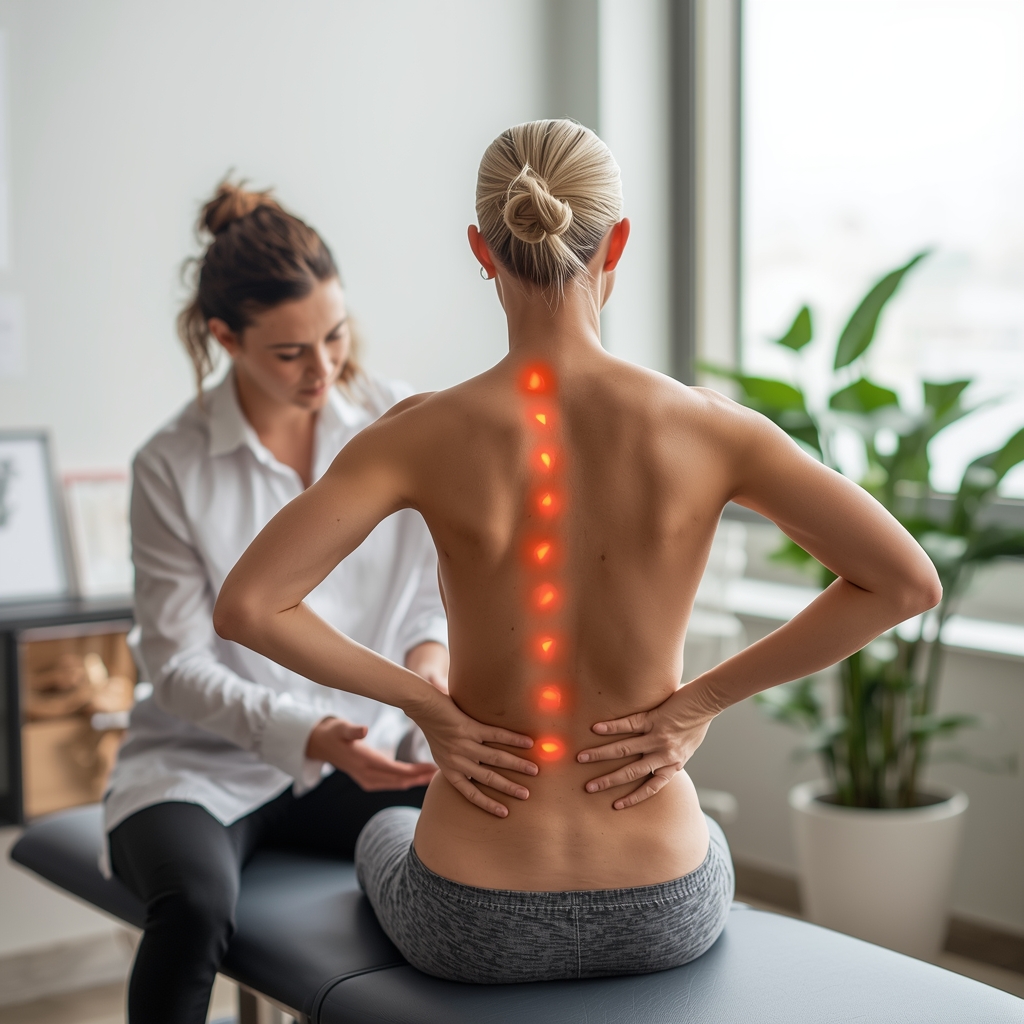
Initial Consultation and Medical History Review
During your first chiropractic visit for low back pain, the process typically begins with a detailed consultation. The chiropractor will ask about your medical history, including previous injuries, surgeries, and any ongoing health conditions. They’ll also inquire about the nature of your low back pain—when it started, its intensity, and activities that worsen or relieve it. This discussion helps identify potential causes and ensures safe care. Be prepared to share information about medications, allergies, and family medical history. The goal is to create a comprehensive overview of your health to guide the examination and treatment plan.
Physical Examination and Palpation
The chiropractor will perform a physical exam to assess your spine and surrounding structures. Palpation—gently pressing on areas of your back—helps detect tenderness, muscle spasms, or misalignments. They’ll observe your posture and check for asymmetries in your spine or pelvis. This hands-on evaluation provides initial insights into possible issues, such as restricted movement or nerve irritation. The chiropractor may also assess your gait and balance to understand how your body compensates for pain. These findings lay the groundwork for further diagnostic steps and help tailor the care plan to your specific needs.
Range of Motion and Orthopedic Tests
To evaluate mobility and identify restrictions, the chiropractor will ask you to perform simple movements, such as bending forward, twisting, or stretching. These range-of-motion tests help determine if your low back pain stems from joint dysfunction, muscle tightness, or nerve involvement. Orthopedic tests, like the straight-leg raise, may be used to assess nerve compression or disc-related issues. These assessments are non-invasive and designed to pinpoint areas of concern. The results guide the chiropractor in deciding whether additional diagnostic tools, such as imaging, are necessary to confirm a diagnosis or rule out serious conditions.
Neurological Assessments
Neurological evaluations are crucial for detecting nerve-related issues contributing to low back pain. The chiropractor may test your reflexes, muscle strength, and sensation in your legs and feet. They’ll check for signs of nerve compression, such as numbness, tingling, or weakness, which could indicate conditions like sciatica or a herniated disc. These assessments help differentiate between musculoskeletal and neurological causes of pain. If abnormalities are found, the chiropractor may recommend further tests or refer you to a specialist. The goal is to ensure a thorough understanding of your condition and avoid overlooking potential complications.
Imaging and Diagnostic Tools (If Applicable)
In some cases, the chiropractor may order imaging tests like X-rays, MRI, or CT scans to visualize the spine’s structure and rule out serious conditions. These tools can reveal issues such as spinal stenosis, fractures, or disc degeneration. However, imaging is typically reserved for complex cases or when red flags—like severe pain, neurological deficits, or trauma—are present. The chiropractor will explain the purpose of any tests and ensure you understand the process. Results help confirm diagnoses and inform treatment decisions, ensuring care is both effective and safe for your unique situation.
Discussion of Findings and Next Steps
After completing the exams, the chiropractor will review their findings with you. They’ll explain any identified issues, such as muscle imbalances, joint restrictions, or nerve involvement, and discuss how these relate to your low back pain. Treatment options, like spinal adjustments, soft tissue therapy, or rehabilitative exercises, will be introduced as potential solutions. The chiropractor will also outline a care plan, including expected outcomes and follow-up steps. This discussion empowers you to make informed decisions about your care. Remember, your input is valued, and the goal is to create a personalized approach that addresses your specific needs and goals.












