
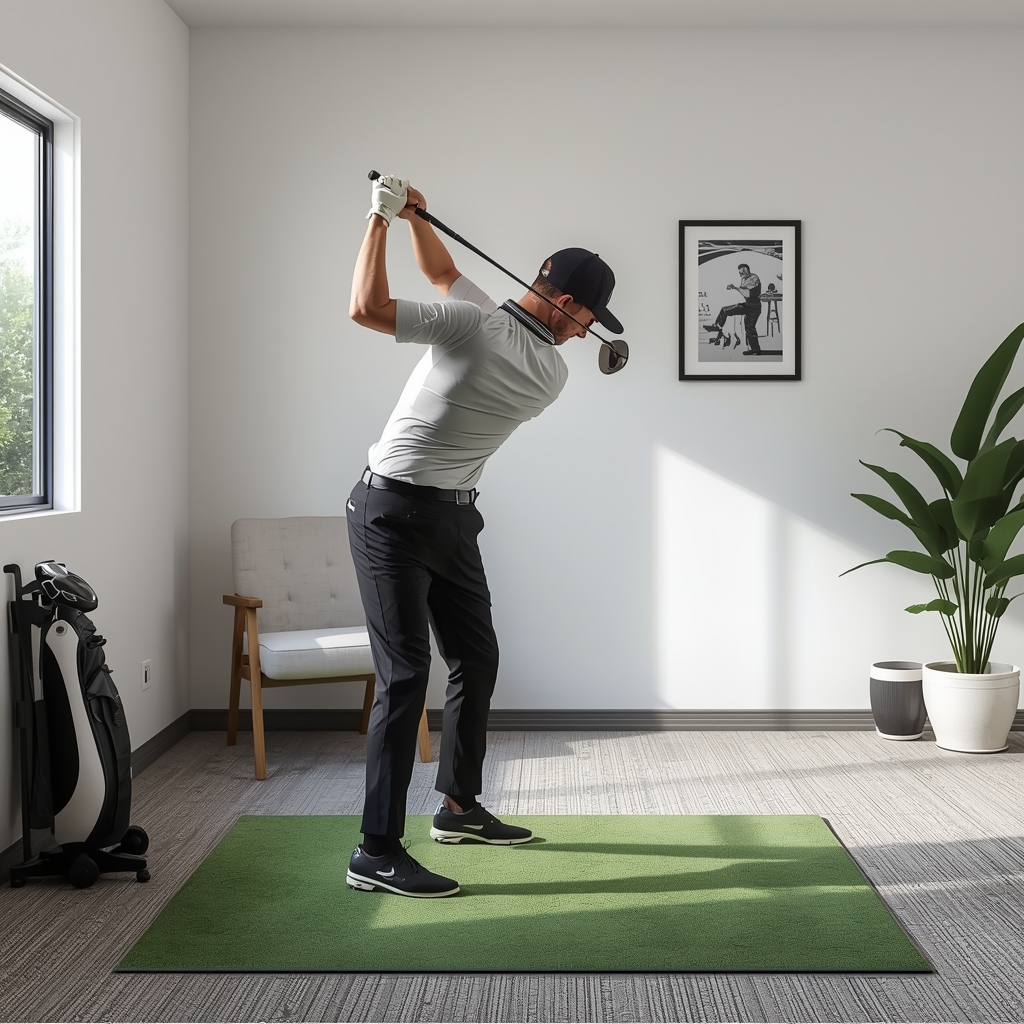
Understanding the Rotator Cuff’s Role in Golf
The rotator cuff is a group of muscles and tendons that stabilize the shoulder joint, essential for the repetitive, rotational movements in a golf swing. Amateur players often overuse these structures without proper technique, increasing injury risk. Chiropractors emphasize that maintaining shoulder mobility and strength is key to preventing strain. A balanced approach to swing mechanics, combined with regular assessments, can reduce wear on the rotator cuff. By addressing imbalances in the upper body, chiropractors help players avoid compensatory movements that stress the shoulder. This foundational knowledge guides targeted adjustments and exercises tailored to individual needs.
Optimizing Swing Mechanics for Shoulder Health
Chiropractors often advise amateur golfers to focus on proper swing mechanics to minimize shoulder strain. A common issue is excessive shoulder rotation during the backswing, which can overextend the rotator cuff. Adjustments may include refining the takeaway to limit excessive arm movement and encouraging a more efficient weight transfer. By aligning the spine and pelvis during the swing, chiropractors help distribute force more evenly, reducing localized stress. Players may also benefit from drills that promote a smoother, more controlled motion. These adjustments, when combined with regular chiropractic care, can significantly lower injury risk while enhancing overall performance.
Posture and Alignment Adjustments
Poor posture during the golf swing can place undue pressure on the rotator cuff. Chiropractors evaluate a player’s stance, spine curvature, and shoulder alignment to identify misalignments. For example, a forward head position or rounded shoulders may force the rotator cuff to work harder to stabilize the joint. Adjustments might involve exercises to improve thoracic mobility or realign the pelvis for better weight distribution. By correcting these postural imbalances, chiropractors help players maintain a more natural swing path. This holistic approach ensures the body moves as a coordinated unit, reducing the likelihood of overuse injuries.
Strengthening Exercises for Rotator Cuff Support
Chiropractors frequently recommend specific strengthening exercises to bolster the rotator cuff muscles. Isometric holds, resistance band work, and shoulder blade squeezes are common techniques to build endurance without excessive strain. These exercises target the smaller stabilizing muscles, improving their ability to handle the demands of a golf swing. Players may also benefit from dynamic movements that mimic swing motions, enhancing functional strength. Consistency is key, as gradual progression helps prevent overtraining. Chiropractors tailor these routines to individual needs, ensuring they complement a player’s existing fitness level and goals.
Warm-Up and Cool-Down Routines
Adequate warm-up and cool-down routines are critical for protecting the rotator cuff. Chiropractors often suggest light cardio, such as jogging or cycling, to increase blood flow before swinging. Dynamic stretches, like arm circles and shoulder rolls, prepare the muscles for movement, while static stretches post-swing help maintain flexibility. Players may also use foam rolling or soft tissue techniques to release tension in the upper back and shoulders. These practices reduce stiffness and improve range of motion, lowering the risk of acute injuries. Incorporating these routines into a regular schedule ensures the body is primed for the physical demands of golf.
When to Seek Professional Guidance
If a golfer experiences persistent shoulder pain, limited range of motion, or discomfort during or after play, consulting a chiropractor is advisable. Early intervention can prevent minor issues from escalating into chronic conditions. Chiropractors may perform spinal adjustments, soft tissue therapies, or recommend activity modifications to address the root cause. They also collaborate with physical therapists to create rehabilitation plans if needed. Players should prioritize regular check-ups, especially if they notice changes in their swing mechanics or increased fatigue. Proactive care ensures long-term shoulder health and sustained enjoyment of the sport.













