
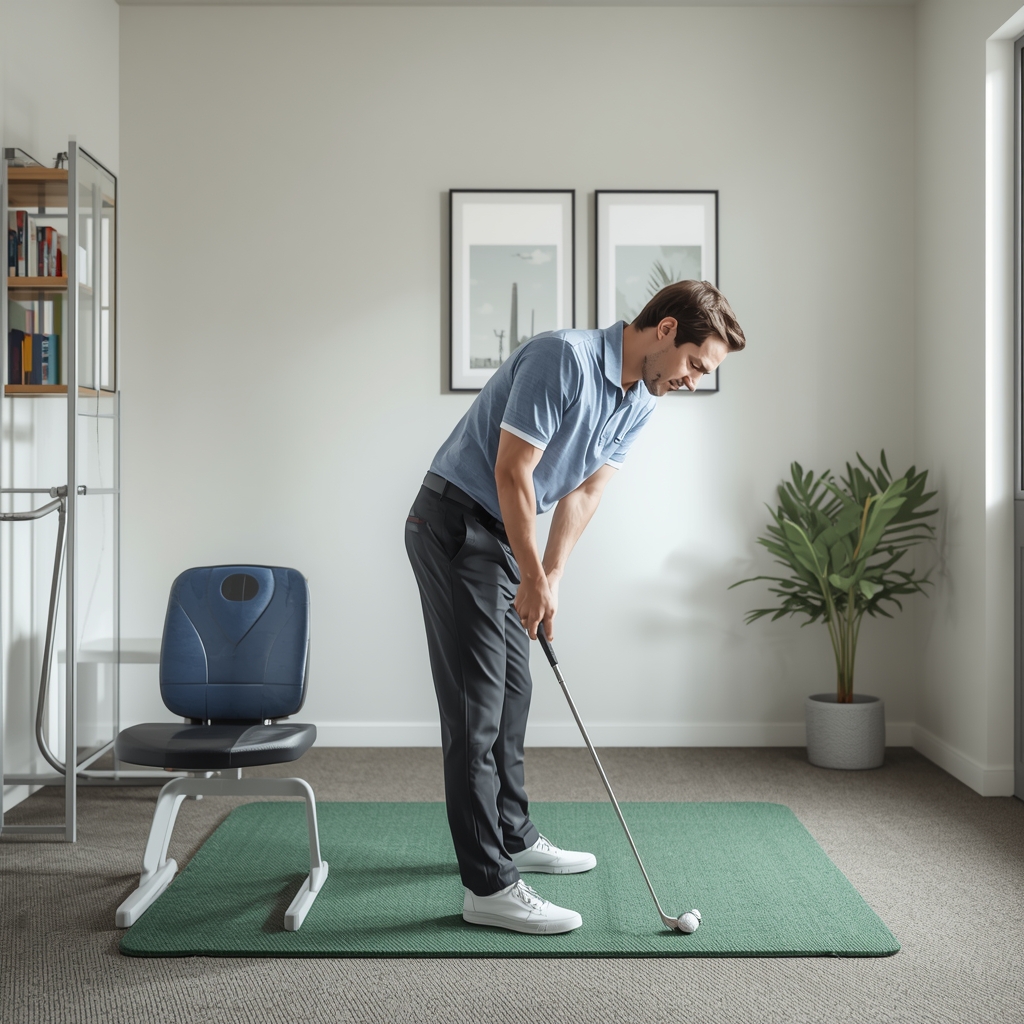
Understanding Golf-Related Injury Risks
Amateur golfers often face unique physical demands due to the sport’s rotational movements, repetitive motions, and weight shifts. Common injuries include lower back pain, shoulder strain, and wrist issues, often stemming from improper form, overuse, or lack of flexibility. Chiropractic care addresses these risks by focusing on spinal alignment, muscle balance, and joint mobility. Regular adjustments can alleviate stress on the musculoskeletal system, while targeted therapies may enhance recovery and prevent recurring injuries. Golfers who prioritize preventive care often experience improved performance and reduced downtime. It’s essential to work with a chiropractor familiar with sports-specific needs to develop a tailored plan that supports long-term health and enjoyment of the game.
Spinal Adjustments for Posture and Alignment
Proper spinal alignment is critical for efficient golf swings and injury prevention. Chiropractors use manual adjustments to correct subluxations (misalignments) that may hinder movement or cause pain. For golfers, this often involves the thoracic and lumbar spine, as these areas bear significant stress during rotational swings. By restoring balance to the spine, adjustments can improve range of motion, reduce muscle tension, and enhance overall biomechanics. Many golfers report fewer aches and better stability after regular sessions. However, adjustments should always be performed by a licensed professional to ensure safety and effectiveness. This approach complements other preventive strategies, helping golfers maintain optimal physical function throughout the season.
Soft Tissue Techniques for Muscle and Joint Health
Soft tissue therapies, such as Active Release Technique (ART) or Graston Technique, target tightness, scar tissue, and muscle imbalances that can impair golf performance. These methods focus on the muscles and fascia involved in the golf swing, including the shoulders, hips, and core. By breaking down adhesions and improving flexibility, golfers may experience reduced pain and enhanced movement efficiency. Chiropractors often combine these techniques with stretching routines to maximize benefits. For example, addressing hip mobility can prevent compensatory movements that strain the lower back. While these therapies are generally safe, they should be customized to individual needs. A chiropractor can guide golfers in integrating soft tissue work into their training regimen for optimal results.
Corrective Exercises for Swing Mechanics
Customized corrective exercises are a cornerstone of golf-specific chiropractic care. These workouts address muscle weaknesses, poor posture, or movement imbalances that may contribute to injury. For instance, strengthening the core and stabilizing muscles can improve swing consistency and reduce joint strain. Chiropractors may recommend exercises like resistance band rotations or balance drills to enhance coordination. Flexibility routines, such as dynamic stretching, also play a role in preventing injuries by preparing the body for the sport’s demands. Golfers should perform these exercises regularly, ideally under professional guidance, to ensure proper form. When combined with other chiropractic interventions, corrective exercises can significantly lower injury risk and support long-term athletic development.
The Role of Preventive Care in Golf
Preventive chiropractic care goes beyond treating injuries—it focuses on maintaining peak physical condition to avoid issues before they arise. Regular check-ups allow chiropractors to monitor spinal health, detect early signs of strain, and adjust treatment plans accordingly. For golfers, this might include seasonal assessments to address wear and tear from frequent play. Preventive strategies also emphasize lifestyle factors, such as proper warm-up routines and ergonomic practices. By fostering a proactive approach, golfers can minimize downtime and sustain their performance. It’s important to remember that preventive care is not a one-size-fits-all solution; a chiropractor can tailor recommendations to individual needs and goals. This ongoing partnership helps ensure golfers stay healthy and focused throughout the season.
When to Seek Professional Guidance
If a golfer experiences persistent pain, limited mobility, or recurring injuries, consulting a chiropractor is advisable. A qualified professional can evaluate the root causes and design a personalized care plan. This may involve a combination of adjustments, soft tissue work, and exercise recommendations. Golfers should also seek help if they notice changes in their swing mechanics or feel unusual fatigue. Early intervention can prevent minor issues from escalating into chronic problems. It’s crucial to choose a chiropractor with experience in sports and golf-specific care to ensure effective treatment. While chiropractic care offers many benefits, it should complement, not replace, other medical advice. Working with a trusted provider empowers golfers to take charge of their health and enjoy the game safely.












