
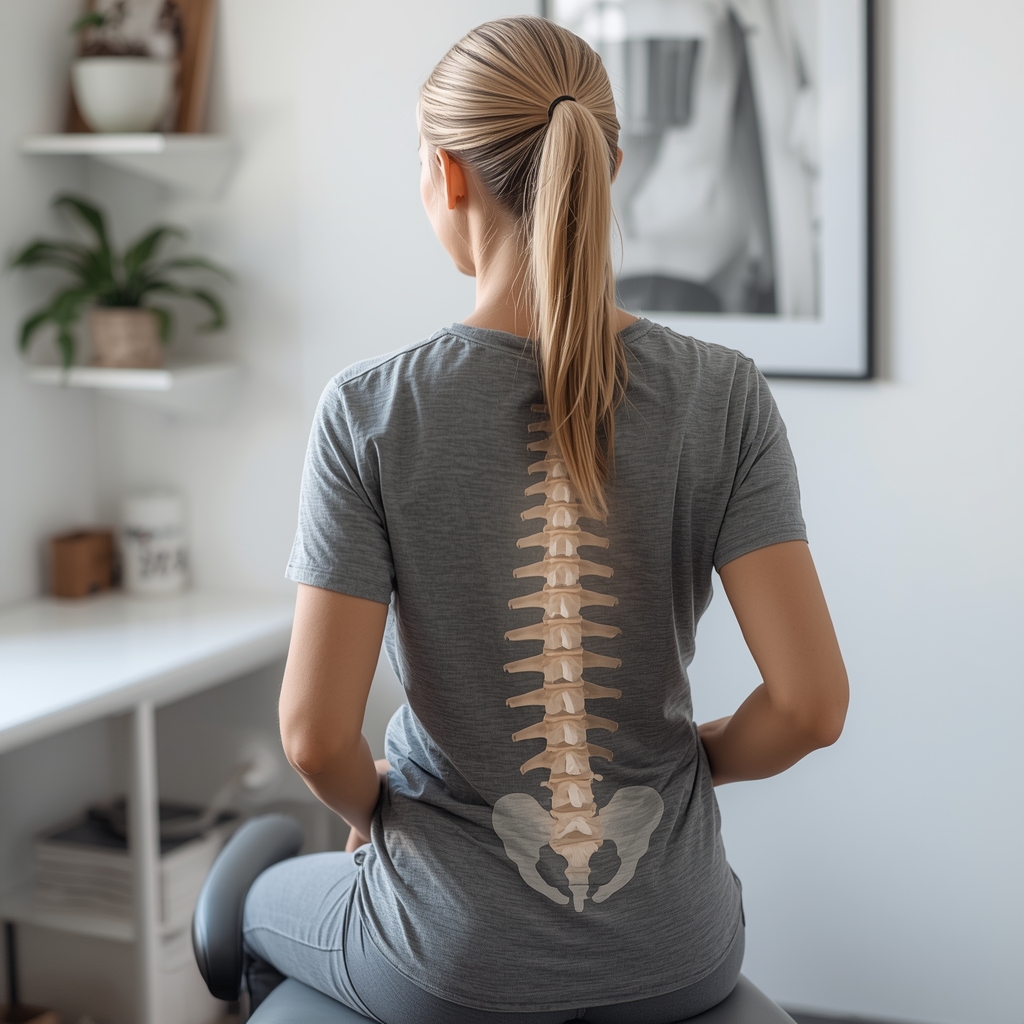
Understanding Adolescent Scoliosis and Its Unique Challenges
Adolescent scoliosis refers to an abnormal sideways curvature of the spine that develops during the growth spurt of puberty. Unlike adult scoliosis, which often results from degenerative changes, adolescent cases are typically idiopathic, meaning the cause is unknown. This condition affects about 2-3% of children aged 10-18, with females more likely to experience progression. The spine’s curvature can range from mild to severe, potentially impacting posture, mobility, and organ function if left untreated. Early intervention is critical, as the spine is still developing, making it more responsive to non-invasive treatments. Chiropractic care aims to manage symptoms, slow progression, and improve quality of life, but techniques must be tailored to the patient’s age, growth stage, and severity of curvature.
Common Chiropractic Techniques for Adolescent Scoliosis
Chiropractors use a variety of techniques to address adolescent scoliosis, focusing on spinal alignment and neuromuscular function. The Diversified Technique, a standard approach, involves manual adjustments to correct misalignments. The Activator Method employs a handheld tool to deliver gentle, targeted adjustments, reducing pressure on the spine. Soft tissue therapies, such as myofascial release, may also be used to alleviate muscle tension contributing to spinal imbalances. Corrective exercises, like the Schroth method, are often integrated to strengthen core muscles and improve posture. These techniques prioritize safety and comfort, avoiding high-velocity manipulations that could harm developing bones. The goal is to support the spine’s natural growth while minimizing curvature progression, with treatment plans regularly adjusted as the adolescent grows.
How Adolescent Care Differs From Adult Treatment Approaches
Chiropractic care for adolescents differs significantly from adult treatments due to the ongoing growth of the skeletal system. Adult scoliosis often involves degenerative changes, requiring more aggressive interventions, while adolescent cases focus on guiding spinal development. Adjustments for teens are typically gentler, using lower force techniques to avoid disrupting growth plates. Treatment frequency may also vary, with more frequent sessions during rapid growth phases. Additionally, adolescents may benefit from a multidisciplinary approach, combining chiropractic care with physical therapy or bracing for severe cases. The emphasis is on long-term management rather than immediate correction, as the spine continues to mature. Chiropractors must also consider the psychological impact of scoliosis, addressing concerns about body image and self-esteem alongside physical symptoms.
The Role of Posture and Exercise in Scoliosis Management
Posture and targeted exercises play a crucial role in managing adolescent scoliosis. Poor posture can exacerbate spinal curvature, while corrective exercises help strengthen muscles that support proper alignment. Chiropractors often recommend activities like yoga, Pilates, or the Schroth method, which focus on posture correction and core stability. These exercises aim to rebalance muscle groups around the spine, reducing asymmetries that contribute to curvature. Regular movement also promotes blood flow and flexibility, enhancing overall spinal health. However, exercises should be tailored to the individual’s condition and supervised by a qualified professional to avoid injury. Combining these strategies with chiropractic adjustments can create a holistic approach, addressing both structural and functional aspects of scoliosis to improve long-term outcomes.
Monitoring Progress and Adjusting Treatment Plans
Regular monitoring is essential for adolescents with scoliosis, as their spines continue to develop. Chiropractors use physical exams, posture assessments, and imaging (when necessary) to track curvature changes and treatment effectiveness. Adjustments and exercises may be modified based on growth patterns, symptom progression, or response to care. For example, a teen experiencing a growth spurt might require more frequent sessions to maintain alignment. Parents and patients should communicate openly about any new symptoms or discomfort to ensure timely adjustments. This dynamic approach allows for personalized care, adapting to the unique needs of each adolescent. Consistent follow-ups also help identify when additional interventions, such as bracing or referral to an orthopedic specialist, may be necessary for optimal results.
When to Seek Professional Guidance for Scoliosis
If an adolescent exhibits signs of scoliosis, such as uneven shoulders, a visible curve in the spine, or back pain, consulting a chiropractor is a proactive step. However, it’s important to work with a provider experienced in pediatric care, as techniques and treatment goals differ from adult cases. A chiropractor can perform a thorough evaluation, rule out other conditions, and develop a tailored plan that aligns with the patient’s growth stage. For severe curvatures or rapid progression, collaboration with an orthopedic specialist may be necessary. Chiropractic care should complement, not replace, medical recommendations. Open communication between families, chiropractors, and other healthcare providers ensures a comprehensive approach, addressing both the physical and emotional aspects of scoliosis management.













