
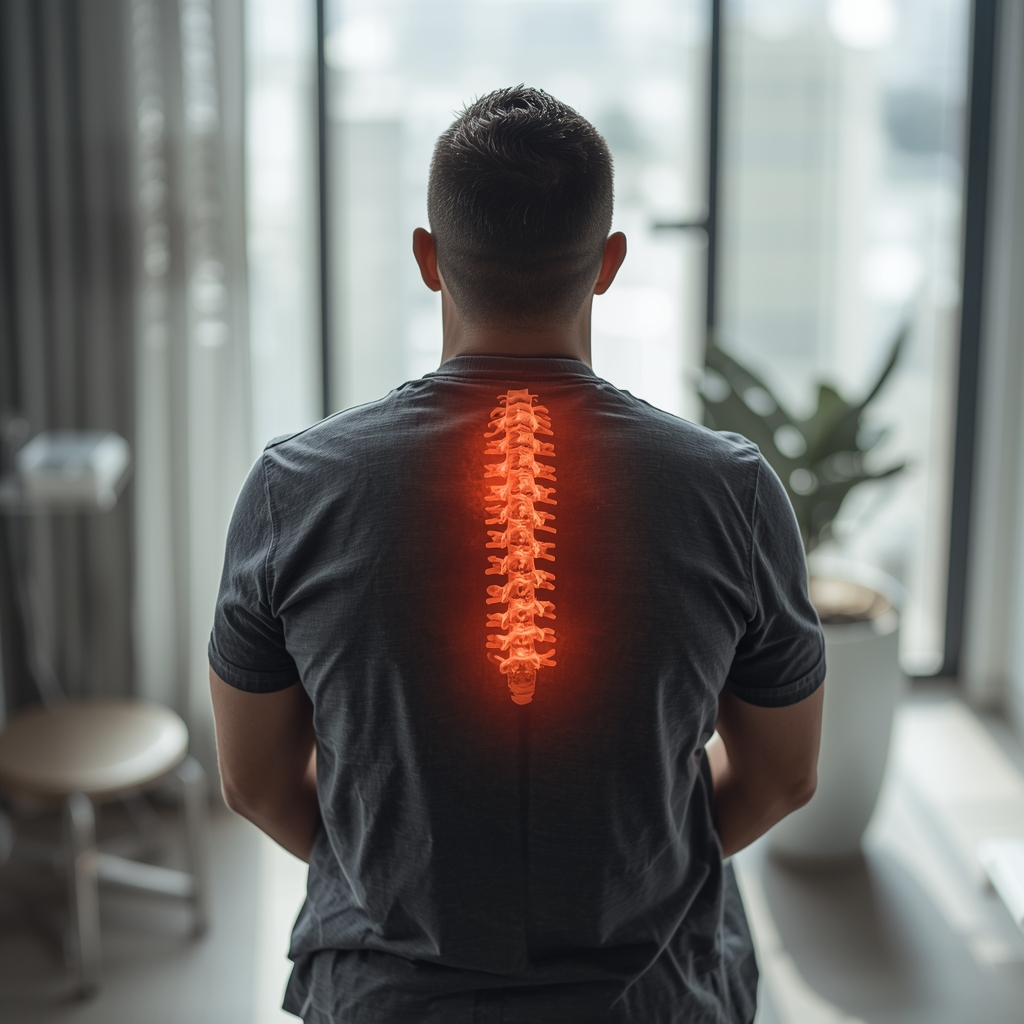
Understanding Blast-Related Concussions and Spinal Dysfunctions in Veterans
Blast-related concussions, often linked to combat exposure, can cause complex neurological and musculoskeletal challenges. These injuries may lead to spinal dysfunctions due to the force of explosions affecting the neck, back, and head. Veterans frequently experience symptoms like headaches, dizziness, and chronic pain, which can complicate recovery. Chiropractors must recognize the unique nature of these injuries, as traditional treatment approaches may not address the full scope of damage. Tailored care requires a deep understanding of how blast trauma impacts both the central nervous system and spinal alignment. By focusing on individualized assessments, chiropractors can identify specific areas of dysfunction and create targeted interventions. This foundational knowledge ensures that treatment plans are both effective and responsive to the veteran’s distinct medical history and ongoing needs.
Comprehensive Assessment and Diagnostic Tools
Designing effective treatment plans begins with a thorough evaluation of the veteran’s condition. Chiropractors use advanced diagnostic tools, such as imaging and neurological screenings, to detect spinal misalignments and concussion-related issues. A detailed patient history is crucial, including details about the blast event, prior injuries, and current symptoms. This information helps identify patterns that may not be immediately apparent. Specialized assessments, like range-of-motion tests and posture analysis, further reveal how spinal dysfunctions contribute to ongoing discomfort. By combining clinical expertise with technology, chiropractors can create a clear roadmap for treatment. This step ensures that interventions are based on objective findings rather than assumptions, increasing the likelihood of successful outcomes for veterans with complex injuries.
Personalized Treatment Strategies for Complex Cases
Tailored treatment plans for veterans with blast-related injuries often involve a combination of spinal adjustments, soft tissue therapy, and rehabilitative exercises. Chiropractors may use techniques like activator methods or drop-table adjustments to address spinal misalignments safely. For concussion-related symptoms, therapies targeting the cervical spine can help alleviate headaches and dizziness. Additionally, incorporating modalities such as cold laser therapy or ultrasound may reduce inflammation and promote healing. Each plan is designed to address the veteran’s specific symptoms and goals, whether it’s pain relief, improved mobility, or enhanced neurological function. By prioritizing individual needs, chiropractors can adapt strategies as the patient progresses, ensuring a dynamic and responsive approach to care.
Integrating Multidisciplinary Approaches for Holistic Care
Chiropractic care for veterans often benefits from collaboration with other healthcare providers. Physical therapists, neurologists, and mental health professionals can contribute valuable insights into managing blast-related injuries. For example, a physical therapist might design exercises to improve balance, while a neurologist could monitor cognitive symptoms. Chiropractors may also refer patients to specialists for conditions like post-traumatic stress disorder (PTSD) or chronic pain management. This multidisciplinary approach ensures that all aspects of the veteran’s health are addressed. By fostering communication among providers, chiropractors help create a cohesive care network. This teamwork enhances the effectiveness of treatment and supports the veteran’s overall well-being, particularly when dealing with complex, long-term conditions.
Monitoring Progress and Adjusting Treatment Plans
Regular follow-ups are essential to evaluate the effectiveness of a veteran’s treatment plan and make necessary adjustments. Chiropractors track changes in symptoms, mobility, and overall function to determine if interventions are working as intended. If progress stalls or new issues arise, the care plan can be revised to better meet the patient’s needs. This flexibility is critical, as veterans with blast-related injuries may experience fluctuating symptoms over time. By maintaining open communication with the patient, chiropractors can address concerns promptly and adapt strategies accordingly. Monitoring also helps identify when additional specialists or therapies might be needed. This ongoing process ensures that care remains responsive and effective throughout the recovery journey.
The Role of Chiropractors in Veteran Care and Community Support
Chiropractors play a vital role in supporting veterans by offering specialized care that addresses the unique challenges of blast-related injuries. Beyond physical treatment, they often serve as advocates, connecting patients with resources like veterans’ affairs programs or mental health services. Educating veterans about their condition and treatment options empowers them to take an active role in their recovery. Chiropractors also contribute to community efforts by participating in outreach programs or collaborating with military healthcare facilities. This holistic approach not only improves individual outcomes but also strengthens the broader support system for veterans. By combining clinical expertise with compassionate care, chiropractors help veterans achieve better quality of life and long-term wellness.















