
Understanding Blast-Related Injuries in Military Personnel
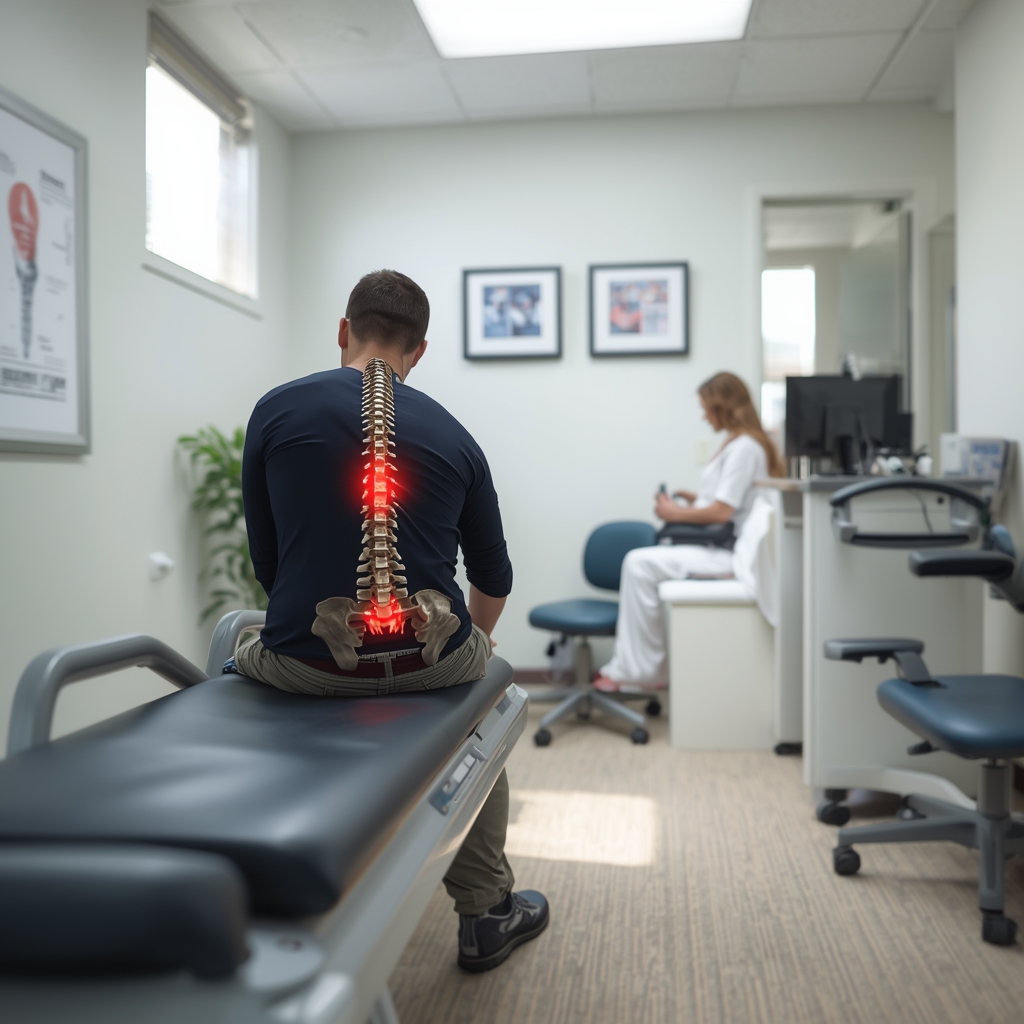
Blast-related concussions and spinal trauma are common among military personnel due to exposure to explosive devices and combat environments. These injuries can cause complex neurological and musculoskeletal damage, leading to symptoms like dizziness, headaches, and chronic pain. Chiropractic care offers non-invasive strategies to support recovery by addressing structural imbalances and promoting natural healing. Military veterans often face unique challenges, such as delayed treatment access or coexisting conditions, making tailored chiropractic approaches essential. Understanding the mechanisms of blast injuries helps practitioners develop targeted interventions that align with the body’s physiological responses. This foundation sets the stage for exploring specific chiropractic techniques that may aid recovery.
Spinal Adjustments for Structural Stability
Spinal adjustments are a cornerstone of chiropractic care, focusing on realigning the spine to reduce pressure on nerves and improve mobility. For military personnel with blast-related spinal trauma, gentle manipulations can alleviate pain and restore function. Techniques like diversified or flexion-distraction adjustments are often used to address misalignments without excessive force. These methods may help reduce inflammation and enhance blood flow to injured areas, supporting tissue repair. However, practitioners must carefully assess each patient’s condition to avoid overstimulation, especially in cases of severe trauma. Spinal adjustments are typically part of a broader treatment plan, emphasizing the importance of individualized care for optimal outcomes.
Soft Tissue Therapies for Muscle and Nerve Relief
Soft tissue therapies, such as myofascial release and Active Release Technique (ART), target muscle tension and nerve compression that often accompany blast injuries. These methods can relieve pain caused by tight or scarred tissues, which may develop after spinal trauma or concussions. By improving circulation and reducing restrictions, soft tissue work supports the body’s natural healing processes. For military personnel, this can enhance mobility and reduce chronic discomfort. Chiropractors may combine these therapies with other modalities to address both acute and long-term effects of injury. Patients should discuss their specific symptoms with a provider to determine the most suitable approach for their recovery journey.
Concussion Management Through Chiropractic Care
Chiropractic care can play a role in managing blast-related concussions by addressing associated symptoms like dizziness, balance issues, and headaches. Techniques such as cervical spine adjustments may help alleviate pressure on the nervous system, potentially improving cognitive function. Vestibular rehabilitation, a specialized form of therapy, can also be integrated to restore balance and coordination. While chiropractic care is not a substitute for medical evaluation, it may complement conventional treatments by supporting overall neurological health. Military personnel often benefit from a multidisciplinary approach, and chiropractors can collaborate with other healthcare providers to create a comprehensive recovery plan. Open communication with a qualified practitioner is key to determining the best strategies.
Rehabilitation Strategies for Long-Term Recovery
Rehabilitation following blast injuries often involves a combination of chiropractic care, physical therapy, and lifestyle modifications. Chiropractors may design personalized programs that include corrective exercises, posture training, and ergonomic adjustments to prevent further strain. These strategies aim to rebuild strength, improve flexibility, and restore functional independence. For military personnel, returning to daily activities or duty requires careful progression, and chiropractors can guide patients through safe, gradual steps. Additionally, addressing mental health aspects, such as stress or anxiety, may enhance recovery outcomes. A holistic approach ensures that both physical and emotional well-being are prioritized during the healing process.
Collaborative Care for Military Veterans
Effective recovery for military personnel often requires collaboration between chiropractors, medical professionals, and other specialists. Chiropractic care can be integrated into broader treatment plans to address the multifaceted nature of blast-related injuries. This teamwork ensures that patients receive coordinated, evidence-based care that aligns with their unique needs. Veterans may also benefit from community resources and support networks that complement chiropractic interventions. Open dialogue between providers and patients is crucial for monitoring progress and adjusting strategies as needed. By fostering a collaborative environment, chiropractors contribute to a more comprehensive and patient-centered approach to recovery.













