
Understanding the Unique Challenges of Blast-Related Injuries in Veterans
Chronic pain and neurological symptoms resulting from blast-related injuries present complex challenges for veterans, often involving trauma to the spine, brain, and peripheral nerves. These injuries can lead to long-term discomfort, reduced mobility, and cognitive or sensory impairments. Traditional medical approaches may not always address the full scope of these issues, making chiropractic care an increasingly explored option. Chiropractors specializing in veterans’ health are trained to recognize the unique physiological and psychological impacts of blast trauma, tailoring interventions to support healing. By focusing on the musculoskeletal and nervous systems, chiropractic care aims to alleviate pain, improve function, and enhance quality of life. However, due to the complexity of these injuries, a personalized and multidisciplinary approach is essential to ensure safe and effective outcomes.
Spinal Adjustments and Structural Rehabilitation
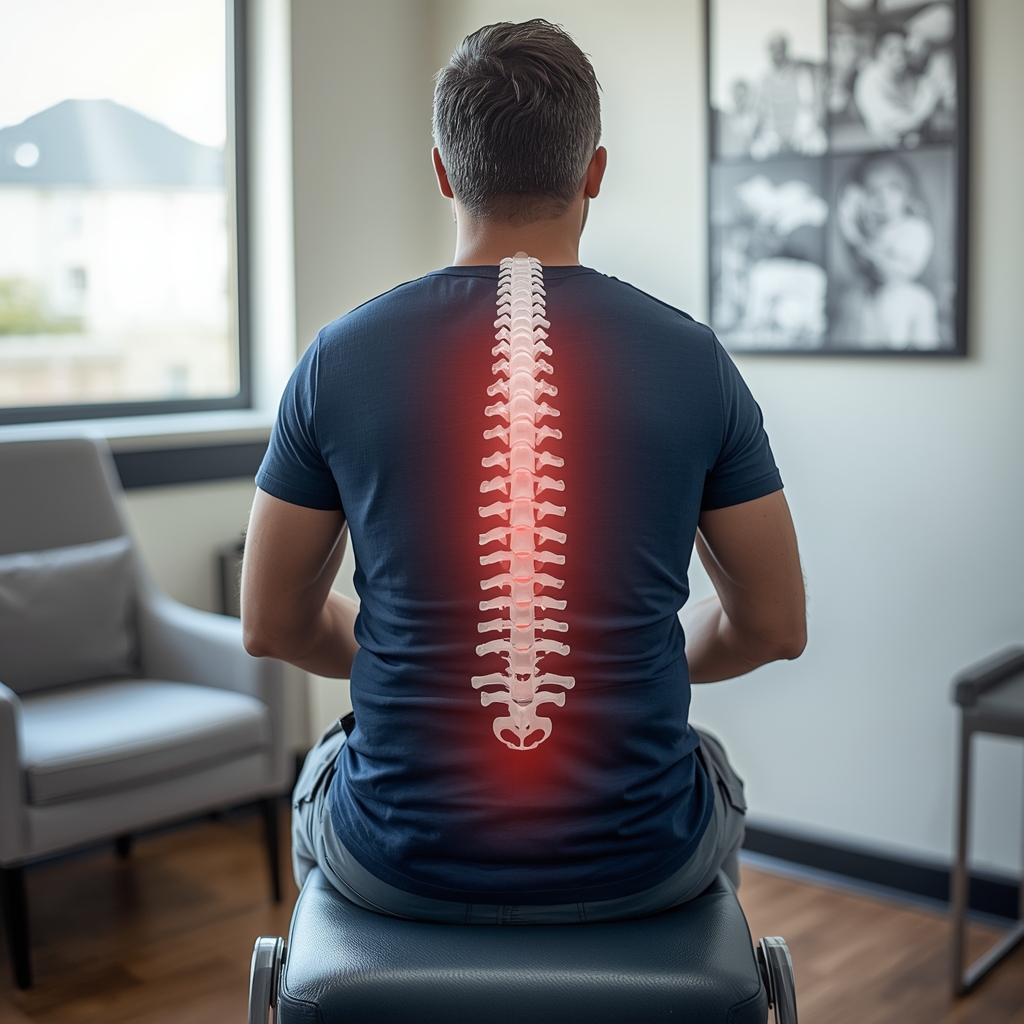
Spinal adjustments are a cornerstone of chiropractic care, particularly for veterans with blast-related injuries that may cause misalignments or subluxations. These adjustments aim to restore proper spinal function, reduce nerve interference, and alleviate pain. For veterans, whose injuries often involve high-impact forces, gentle yet precise techniques are critical to avoid exacerbating existing damage. Chiropractors may use diversified, flexion-distraction, or instrument-assisted methods to address specific areas of dysfunction. By realigning the spine, practitioners can help reduce inflammation, improve mobility, and support the body’s natural healing processes. However, the sensitivity of blast-injured patients necessitates careful evaluation and ongoing monitoring to ensure adjustments are both effective and safe. This tailored approach underscores the importance of working with a chiropractor experienced in treating trauma-related conditions.
Soft Tissue Therapies for Pain and Mobility Improvement
Soft tissue therapies, such as Active Release Technique (ART) and Graston Technique, are valuable tools for addressing the muscular and fascial restrictions common in veterans with blast-related injuries. These methods target areas of tension, scar tissue, or adhesions that may contribute to chronic pain and limited movement. By breaking down these restrictions, chiropractors can enhance blood flow, reduce inflammation, and restore flexibility. For veterans, who often experience muscle spasms or compensatory patterns from injury, these therapies can be particularly beneficial. Additionally, soft tissue work may complement spinal adjustments by addressing secondary sources of discomfort. However, the intensity of these treatments must be carefully managed to avoid overstimulating sensitive tissues. When integrated into a broader care plan, soft tissue therapies can play a key role in improving function and reducing reliance on pain medications.
Neurological Support and Nervous System Optimization
Chiropractic care may also address neurological symptoms associated with blast injuries by focusing on the relationship between the spine and the nervous system. Misalignments or trauma-related disruptions can interfere with nerve signaling, leading to issues like numbness, tingling, or cognitive difficulties. Chiropractors use specific adjustments and diagnostic tools to identify and correct these imbalances, potentially improving nerve function and reducing symptoms. Techniques such as muscle testing or thermography may help assess nervous system health, guiding treatment decisions. Additionally, chiropractors may incorporate rehabilitative exercises or sensory retraining to support neurological recovery. While not a substitute for medical evaluation, these approaches aim to enhance the body’s ability to self-regulate and heal. For veterans, this holistic focus on the nervous system can be a critical component of long-term pain management and functional restoration.
Integrative Approaches for Comprehensive Care
Effective management of chronic pain and neurological symptoms in veterans often requires an integrative approach that combines chiropractic care with other therapies. This may include referrals to physical therapy, acupuncture, or psychological support to address the multifaceted nature of blast-related injuries. Chiropractors may collaborate with medical professionals to ensure treatments align with broader care goals, avoiding conflicts or overlaps. For example, cold laser therapy or electrical stimulation could be used alongside adjustments to reduce inflammation and promote tissue repair. Additionally, lifestyle modifications, such as ergonomic adjustments or stress management techniques, may be recommended to support overall well-being. By fostering a collaborative, patient-centered model, chiropractic care can play a vital role in helping veterans achieve better mobility, pain relief, and quality of life. However, individualized assessment remains crucial to determine the most appropriate combination of interventions.
Consulting a Qualified Chiropractor for Personalized Care
Given the complexity of blast-related injuries, veterans seeking chiropractic care should prioritize finding a provider with experience in trauma and chronic pain management. A qualified chiropractor will conduct a thorough evaluation, considering the veteran’s medical history, injury specifics, and current symptoms. This ensures that treatments are tailored to the individual’s needs, avoiding approaches that could worsen existing conditions. Open communication between the patient and practitioner is essential to monitor progress and adjust strategies as needed. While chiropractic care offers promising benefits, it is not a one-size-fits-all solution. Veterans should view it as part of a broader healthcare plan, working alongside other specialists to address all aspects of their recovery. By partnering with a skilled chiropractor, veterans can explore safe, non-invasive options to manage pain and improve function, ultimately enhancing their long-term well-being.













