
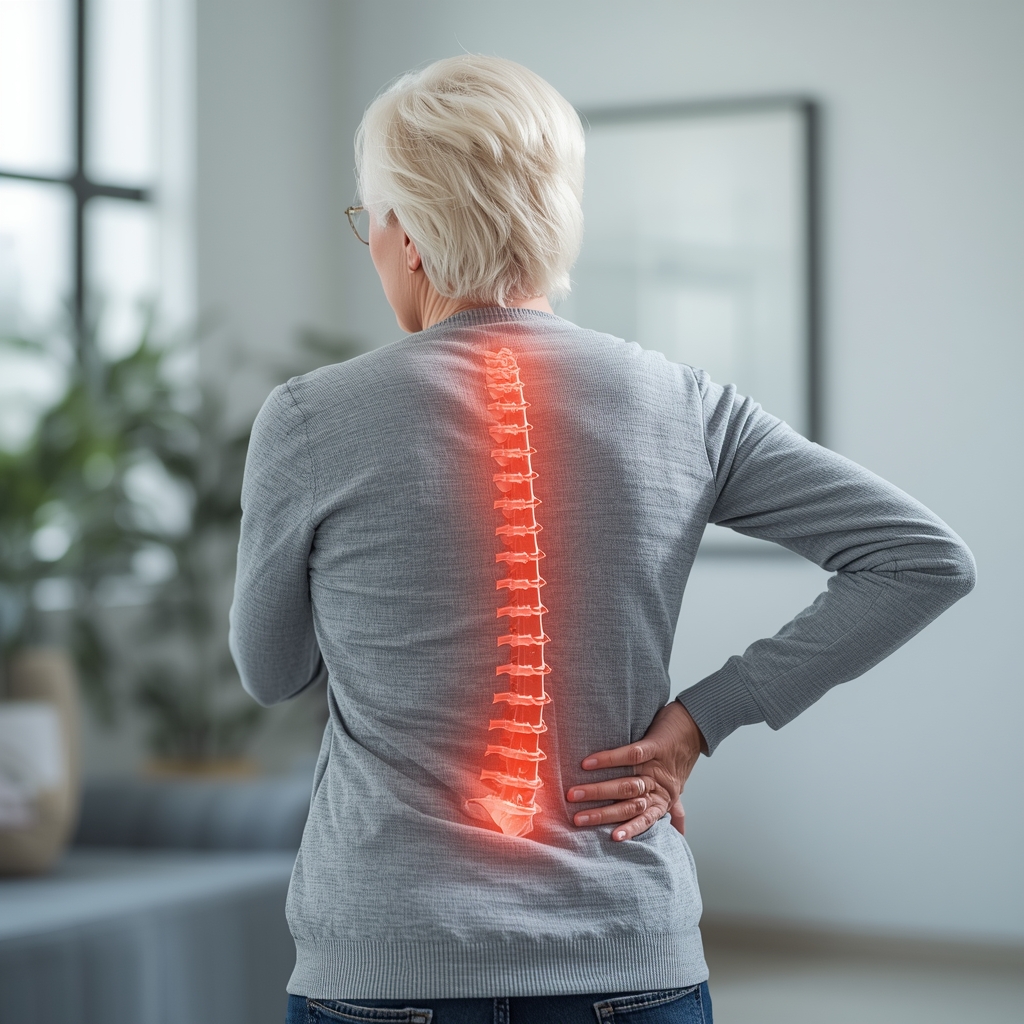
Understanding Degenerative Scoliosis in Older Adults
Degenerative scoliosis, a curvature of the spine that develops in adulthood, often affects older adults due to age-related changes in spinal discs and joints. This condition can cause pain, reduced mobility, and postural imbalances. While surgical options exist, many seniors seek non-surgical approaches to manage symptoms and maintain independence. Chiropractic care offers personalized strategies to address spinal alignment, muscle tension, and nerve function, focusing on improving comfort and functional abilities without invasive procedures.
Chiropractic Adjustments and Spinal Manipulation
Spinal adjustments are a cornerstone of chiropractic care, aiming to restore proper alignment and reduce pressure on nerves. For older adults with degenerative scoliosis, gentle, targeted adjustments can alleviate pain and improve mobility. Techniques like diversified or low-force adjustments are often used to accommodate age-related spinal changes. While results vary, many patients report reduced discomfort and better posture. It is crucial to work with a chiropractor experienced in geriatric care to ensure safety and effectiveness, as improper manipulation could worsen symptoms.
Soft Tissue Therapies and Myofascial Release
Soft tissue therapies, such as massage and myofascial release, address muscle tightness and inflammation that often accompany degenerative scoliosis. These techniques help relax overworked muscles, improve circulation, and reduce pain. For older adults, gentle methods like trigger point therapy or instrument-assisted soft tissue mobilization may be recommended. By easing muscular strain, these approaches can enhance spinal stability and support better posture. Combining soft tissue work with spinal adjustments often provides a more comprehensive relief strategy, helping seniors maintain daily activities with greater ease.
Corrective Exercises and Posture Training
Customized exercise programs are vital for managing degenerative scoliosis, focusing on strengthening core muscles and improving flexibility. Chiropractors may recommend low-impact exercises like yoga, Pilates, or specific corrective stretches to support spinal alignment. Posture training helps counteract the effects of poor alignment, reducing strain on the spine and surrounding tissues. For older adults, these exercises can enhance balance, prevent falls, and improve overall mobility. Consistency is key, as regular practice can lead to long-term improvements in comfort and functional independence.
Pain Management Techniques and Complementary Therapies
Chiropractors often integrate pain management tools like cold laser therapy, electrical stimulation, or ultrasound to reduce inflammation and ease discomfort. These modalities can complement adjustments and soft tissue work, offering non-invasive relief for chronic pain. Additionally, lifestyle modifications—such as ergonomic adjustments or heat/cold therapy—may be advised to support spinal health. By combining these therapies, chiropractors create a holistic plan to address pain and promote healing. Seniors should discuss these options with their provider to determine the safest and most effective approach for their condition.
Enhancing Quality of Life Through Comprehensive Care
Non-surgical chiropractic care for degenerative scoliosis focuses on improving daily function and overall well-being. By addressing pain, posture, and mobility, these treatments help seniors maintain independence and engage in activities they enjoy. Regular chiropractic visits can also foster a proactive approach to health, encouraging patients to stay active and informed. While results vary, many older adults report improved sleep, reduced reliance on medications, and a greater sense of control over their health. A collaborative care plan, tailored to individual needs, is essential for achieving the best outcomes and sustaining long-term quality of life.














