
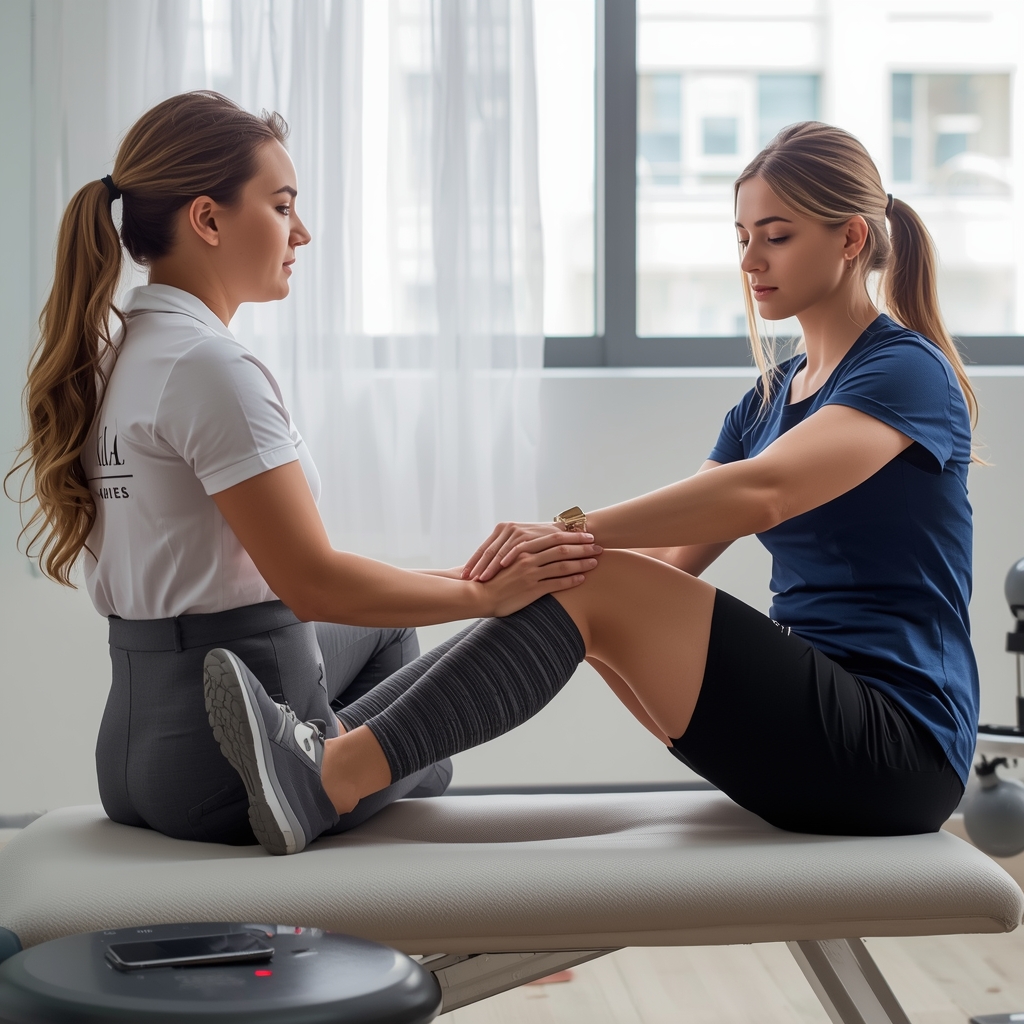
Understanding Patellar Tracking Issues
Patellar tracking issues occur when the kneecap (patella) moves abnormally within the femoral groove, often causing pain and instability. Athletes are particularly susceptible due to repetitive stress, poor biomechanics, or muscle imbalances. Common causes include weak quadriceps, tight hamstrings, or misalignment in the hips or ankles. While not always severe, untreated issues can lead to chronic pain or cartilage damage. Understanding the root factors is critical for effective management, as treatment often involves a combination of adjustments, exercises, and lifestyle modifications.
Chiropractic Adjustments for Patellar Realignment
Chiropractors may use specific adjustments to address patellar tracking by restoring proper joint function and alignment. Techniques like McConnell taping, joint mobilization, or soft tissue work can help retrain the patella’s movement. These adjustments aim to reduce pain and improve stability, but they should always be performed by a qualified professional. Athletes often benefit from a tailored approach that considers their sport’s demands, ensuring the knee can handle repetitive motions without further strain. Adjustments are typically part of a broader care plan rather than a standalone solution.
Strengthening Exercises for Stability
Strengthening the muscles around the knee is essential for long-term patellar stability. Exercises like straight-leg raises, clamshells, and step-ups target the quadriceps, hamstrings, and glutes, which support the knee joint. Eccentric training, such as controlled squats, can also improve joint resilience. Athletes should focus on proper form to avoid exacerbating the issue. While these exercises are widely recommended, their effectiveness depends on individual needs, making it important to consult a chiropractor or physical therapist for personalized guidance. Consistency and gradual progression are key to preventing setbacks.
Incorporating Corrective Exercises
Corrective exercises address underlying muscle imbalances or movement patterns contributing to patellar misalignment. These may include hip-strengthening drills, core stabilization work, or gait retraining. For athletes, addressing biomechanical flaws—such as excessive knee valgus—can reduce strain on the patella during sports activities. A chiropractor can design a program that integrates these exercises with adjustments, ensuring a holistic approach. It’s crucial to avoid overloading the knee during recovery, as improper technique may delay healing. Regular reassessment helps refine the plan as progress is made.
Athlete-Specific Considerations
Patellar tracking issues in athletes require sport-specific solutions. For example, runners may need different strategies than basketball players or weightlifters. Chiropractors often collaborate with sports therapists to create plans that align with an athlete’s training schedule and performance goals. This might involve modifying training intensity, using braces or taping, or incorporating sport-specific drills. Recovery timelines vary, and athletes must balance rehabilitation with maintaining fitness. A personalized approach ensures the knee can handle the unique demands of their sport without compromising long-term joint health.
When to Seek Professional Care
If patellar tracking issues persist or worsen, consulting a chiropractor is essential. They can perform a thorough evaluation to identify contributing factors and recommend appropriate interventions. While general exercises and adjustments may help, individualized care is necessary for optimal outcomes. Athletes should avoid self-diagnosis or unguided treatments, as improper methods could delay recovery. A chiropractor can also coordinate with other healthcare providers to ensure a comprehensive approach. Early intervention often leads to faster resolution and reduces the risk of chronic complications.













