
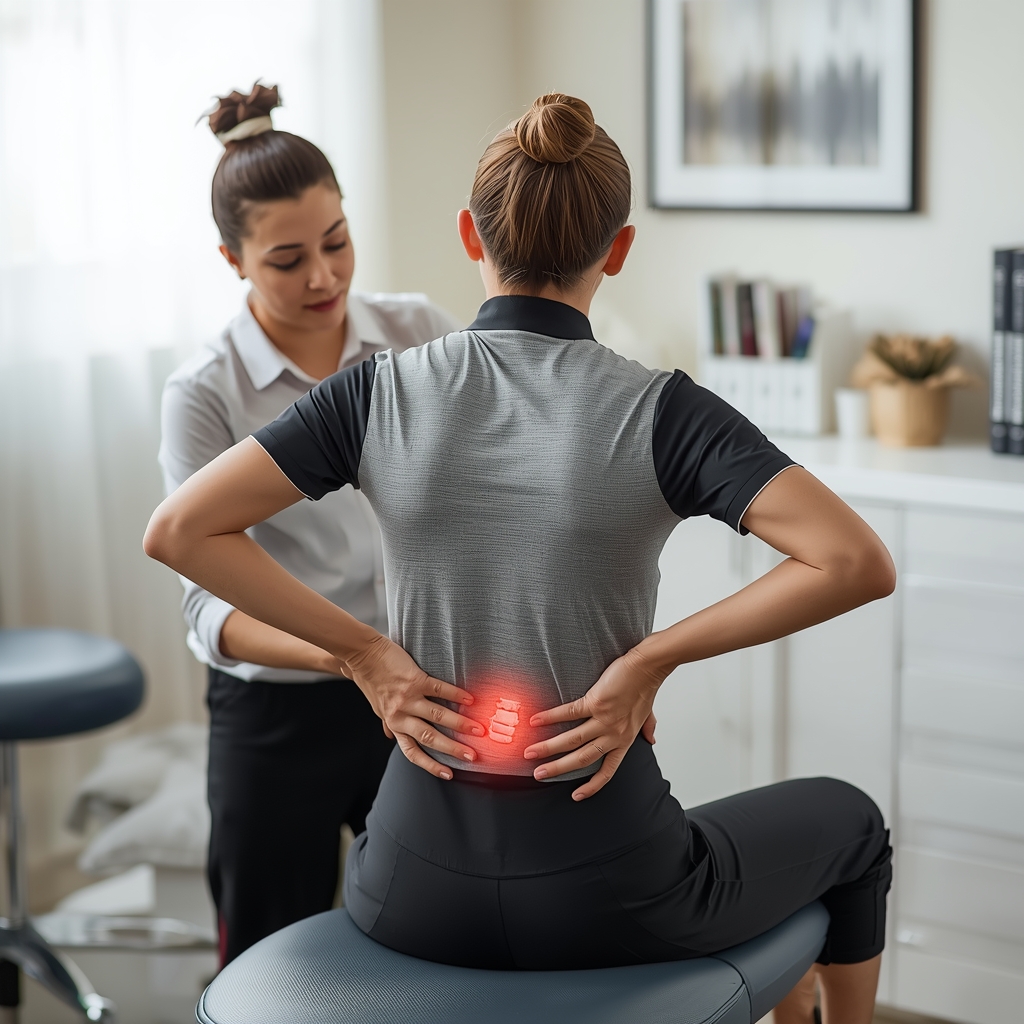
Understanding the Link Between Spinal Health and Hip Stability
Spinal alignment plays a critical role in maintaining hip stability, especially for golfers who rely on rotational movement and core engagement. A misaligned spine can create compensatory patterns, placing undue stress on the hips during the golf swing. Chiropractic adjustments help restore proper spinal mechanics, ensuring even weight distribution and reducing strain on the hip joints. This foundational support is essential for preventing overuse injuries and maintaining optimal performance. Golfers often experience hip discomfort due to repetitive twisting motions, making spinal health a key factor in injury prevention. By addressing spinal imbalances, chiropractors can enhance overall biomechanics, creating a stable base for the hips to function efficiently.
Key Spinal Adjustments for Golfers
Targeted spinal adjustments focus on the lumbar and sacral regions, which are central to hip function and rotational movement. Chiropractors may use techniques like diversified adjustments or activator methods to correct subluxations, improving nerve function and joint mobility. These adjustments can alleviate pressure on nerves that radiate to the hips, reducing pain and enhancing range of motion. For golfers, maintaining a neutral pelvis and lumbar curve is vital to prevent excessive torque during swings. Regular adjustments help sustain this alignment, supporting the body’s natural ability to handle the demands of the sport. However, the specific approach should be tailored to individual needs, emphasizing the importance of professional evaluation.
Mobility Drills to Enhance Hip Function
Dynamic mobility drills are essential for golfers to maintain flexibility and prevent hip injuries. Exercises like hip circles, leg swings, and rotational stretches can improve joint mobility and reduce stiffness. These drills complement spinal adjustments by ensuring the hips move efficiently within their full range of motion. Incorporating foam rolling or soft tissue work around the hip flexors and glutes can further enhance flexibility, reducing the risk of strains. Golfers should prioritize warm-up routines that mimic the swing’s motion, preparing the body for repetitive rotational forces. While these drills are beneficial, they should be performed with proper form to avoid overexertion. A chiropractor can guide individuals in selecting drills that align with their unique biomechanics and goals.
The Role of Core Strength in Hip Injury Prevention
Core strength is a cornerstone of hip stability, as a strong midsection supports the spine and pelvis during golf swings. Weakness in the abdominal or lower back muscles can lead to compensatory movements that strain the hips. Chiropractors often recommend corrective exercises to build core endurance, such as planks, bird dogs, and dead bugs. These exercises improve neuromuscular control, helping the body maintain proper alignment under stress. A stable core also reduces the workload on hip joints, minimizing injury risk. While general recommendations are helpful, personalized guidance from a chiropractor ensures exercises target specific weaknesses. Integrating core training with spinal care creates a holistic approach to injury prevention.
Integrating Chiropractic Care with Golf-Specific Training
Chiropractic care works synergistically with golf-specific training to optimize performance and prevent injuries. By addressing spinal and joint imbalances, chiropractors enable more efficient movement patterns, enhancing the effectiveness of strength and flexibility programs. Golfers may benefit from a multidisciplinary approach that includes regular adjustments, mobility work, and sport-specific conditioning. This collaboration ensures that the body adapts to the unique demands of the game without overcompensating. Chiropractors can also identify early signs of dysfunction, allowing for timely interventions. While general advice is valuable, individualized care is crucial for achieving the best outcomes. Golfers should view chiropractic support as an integral part of their training regimen.
When to Seek Professional Guidance
While general mobility and adjustment practices can support hip health, golfers experiencing persistent discomfort or limited mobility should consult a chiropractor. A professional can assess spinal alignment, identify underlying issues, and create a tailored plan to address specific needs. This is particularly important for athletes who push their bodies to the limit, as minor imbalances can escalate into chronic problems. Chiropractors may also collaborate with physical therapists or golf coaches to ensure a comprehensive approach. Self-diagnosis or improper techniques can worsen existing conditions, highlighting the need for expert oversight. Regular check-ups can preemptively address issues before they impact performance. For optimal results, golfers should prioritize professional guidance in their injury prevention strategy.















