
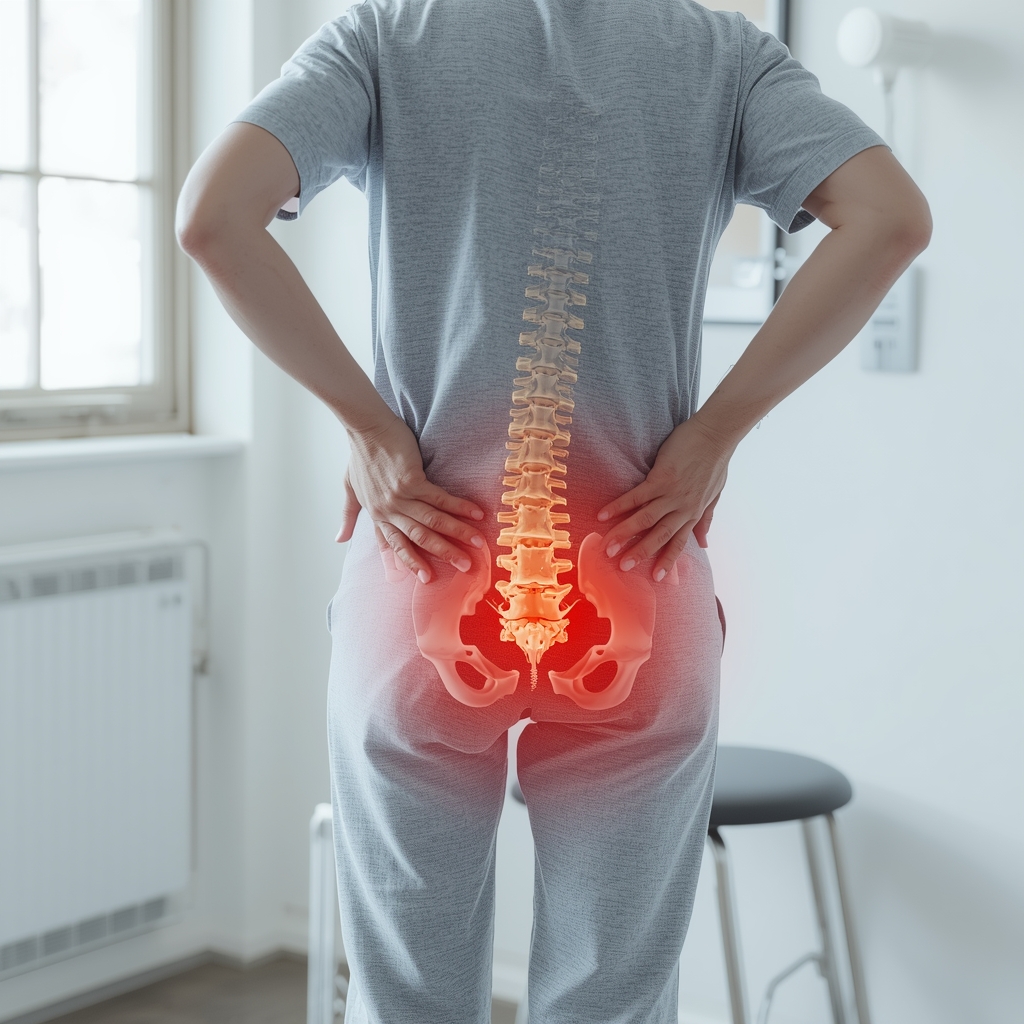
Understanding Pelvic Alignment and Its Impact on Hip Pain
Pelvic alignment refers to the positioning of the pelvis relative to the spine and lower extremities. A properly aligned pelvis distributes weight evenly, supports spinal stability, and facilitates smooth movement. Misalignment—whether due to poor posture, injury, or muscular imbalances—can create undue stress on the hip joints and surrounding tissues. This disruption often manifests as chronic hip pain, as the body compensates for the imbalance through altered movement patterns. Common causes include sedentary lifestyles, uneven leg length, or repetitive strain. Addressing pelvic alignment is critical for resolving hip pain, as it directly influences the biomechanics of the lower body. Chiropractors play a key role in identifying and correcting these imbalances through non-invasive methods.
Biomechanical Connections Between Pelvis and Hip Pain
The pelvis serves as a bridge between the spine and hips, making its alignment essential for proper weight distribution and joint function. When the pelvis is tilted, rotated, or shifted, it can place excessive pressure on the hip joints, labrum, or surrounding muscles. For example, an anterior pelvic tilt may tighten the hip flexors while weakening the glutes, leading to pain and reduced mobility. Similarly, a posterior tilt can alter the lumbar spine’s curvature, indirectly affecting the hips. These biomechanical changes often result in chronic discomfort, as the body struggles to maintain balance. Chiropractors assess these relationships through physical exams and imaging, then develop targeted strategies to restore equilibrium without surgery.
Non-Surgical Approaches by Chiropractors
Chiropractors employ a range of non-surgical techniques to address pelvic misalignment and alleviate hip pain. Spinal adjustments are a cornerstone, aiming to realign the pelvis and relieve pressure on nerves and joints. Soft tissue therapies, such as massage or myofascial release, help reduce muscle tension that contributes to instability. Additionally, corrective exercises and ergonomic recommendations may be integrated to strengthen supporting muscles and improve posture. These approaches focus on restoring natural movement patterns and reducing compensatory stress on the hips. By addressing the root cause rather than just symptoms, chiropractors help patients achieve long-term relief. However, the specific methods depend on individual assessments, emphasizing the need for personalized care.
Role of Chiropractic Adjustments in Realignment
Spinal adjustments are a primary tool for correcting pelvic misalignments. By applying controlled, precise forces to the joints, chiropractors aim to restore proper positioning and function. This process can alleviate nerve irritation, reduce inflammation, and improve mobility in the hips. Adjustments are typically performed using hands-on techniques or specialized instruments, ensuring minimal discomfort. Patients often report reduced pain and improved range of motion after sessions. However, the effectiveness depends on the practitioner’s expertise and the patient’s adherence to follow-up care. While adjustments are generally safe, they should be tailored to each individual’s needs. Combining adjustments with other therapies, such as stretching or strengthening exercises, enhances outcomes. This holistic approach underscores the value of chiropractic care in managing chronic hip pain without surgical intervention.
Integrating Therapies for Comprehensive Care
Chiropractic care for hip pain often involves a multidisciplinary approach, combining adjustments with other therapeutic modalities. Physical therapy exercises, for instance, can strengthen the core and hip stabilizers, complementing spinal realignment. Modalities like ultrasound or electrical stimulation may also be used to reduce inflammation and promote healing. Additionally, lifestyle modifications—such as ergonomic adjustments at work or activity modifications—help prevent recurrence. Chiropractors may collaborate with physical therapists or massage therapists to create a cohesive plan. This integration ensures that both structural and functional aspects of the condition are addressed. By combining these strategies, patients gain a more robust foundation for recovery, reducing reliance on invasive treatments. The goal is to empower individuals to maintain long-term mobility and comfort through coordinated, non-surgical care.
When to Seek Professional Evaluation
If chronic hip pain persists despite self-care measures, consulting a chiropractor is a prudent step. A professional evaluation can identify underlying issues, such as pelvic misalignment, that may require targeted intervention. Chiropractors use diagnostic tools and physical exams to assess the pelvis, spine, and hip joints, creating a tailored care plan. Early intervention often prevents minor imbalances from escalating into more severe conditions. Patients should also seek help if pain interferes with daily activities or is accompanied by numbness, tingling, or radiating discomfort. While chiropractic care is generally safe, it’s essential to work with a licensed provider who can rule out other potential causes. By addressing pelvic alignment proactively, individuals can explore effective, non-surgical solutions to regain mobility and quality of life.














