
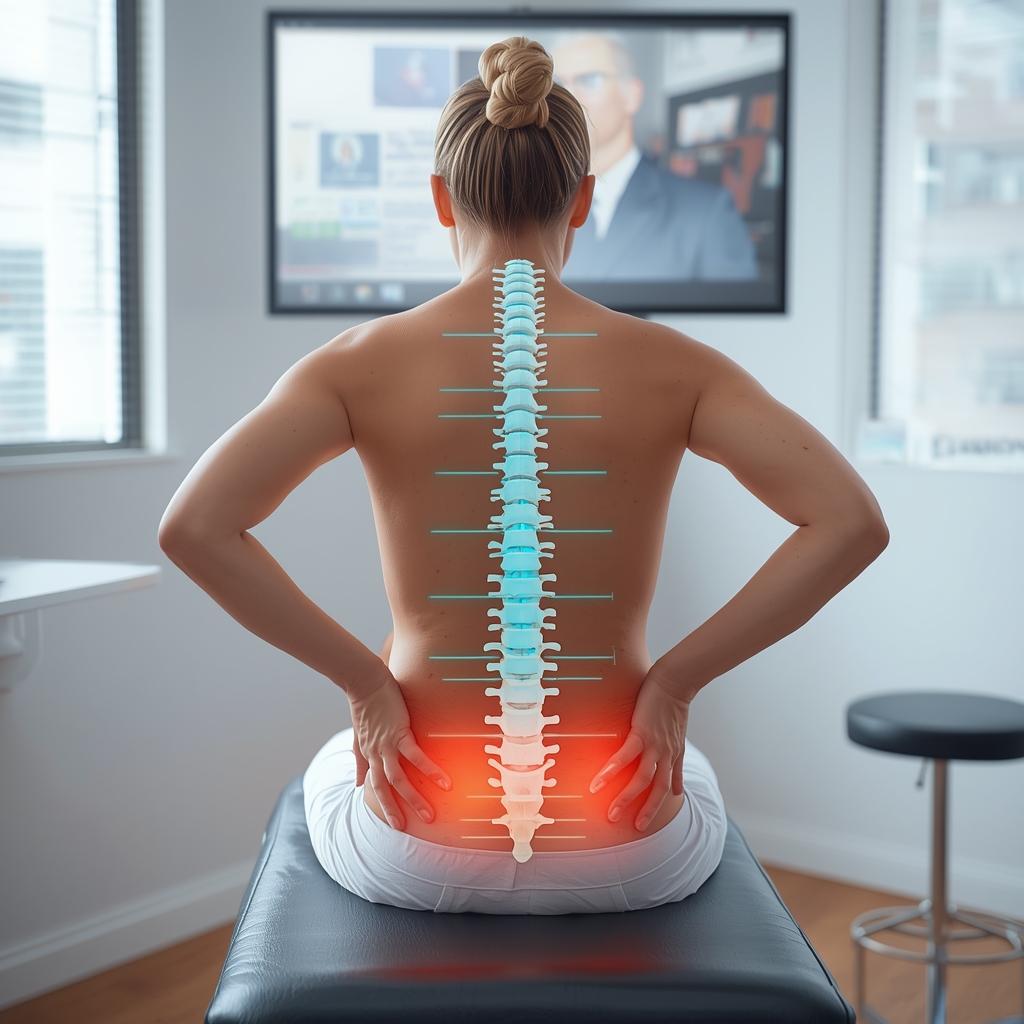
Understanding Myofascial Release and Spinal Adjustments
Chronic hip pain often stems from complex interactions between musculoskeletal structures, including muscles, joints, and nerves. Myofascial release is a soft tissue technique targeting fascia—the connective tissue surrounding muscles—to alleviate tension and improve mobility. Spinal adjustments, a cornerstone of chiropractic care, focus on realigning the spine to reduce nerve interference and enhance musculoskeletal function. When integrated, these approaches address both localized hip discomfort and potential spinal contributors to pain, creating a holistic treatment strategy. This combination acknowledges the interconnected nature of the body, where dysfunction in one area can impact others. By addressing multiple factors simultaneously, patients may experience more comprehensive relief than with either method alone.
How Myofascial Release Alleviates Hip Pain
Myofascial release works by applying sustained pressure to trigger points—tight, painful knots within muscle tissue. These points often form due to repetitive strain, poor posture, or injury, contributing to hip pain. By releasing fascial restrictions, this technique can reduce muscle stiffness, improve blood flow, and restore normal movement patterns. For hip pain, it specifically targets areas like the iliopsoas, glutes, and IT band, which are commonly involved in discomfort. The process also encourages the body’s natural healing responses, potentially decreasing inflammation and promoting tissue repair. Patients often report immediate relief after sessions, though long-term benefits depend on consistent treatment and lifestyle adjustments. This approach complements traditional chiropractic care by addressing soft tissue imbalances that may hinder spinal realignment.
The Role of Spinal Adjustments in Hip Pain Management
Spinal adjustments involve precise, controlled forces to correct vertebral misalignments, or subluxations, which can disrupt nerve function and contribute to musculoskeletal pain. The spine’s structure directly influences hip mechanics, as nerves exiting the lumbar and sacral regions innervate the hip and lower extremities. When these nerves are compressed or irritated due to misalignment, pain and dysfunction may radiate to the hip. Adjustments help restore proper spinal motion, reducing nerve interference and allowing the body to function more efficiently. By improving spinal alignment, this technique can indirectly alleviate hip pain by addressing its root causes. It also enhances the effectiveness of myofascial release by creating a stable foundation for musculoskeletal balance.
Combining Techniques for Enhanced Outcomes
The integration of myofascial release and spinal adjustments creates a synergistic effect, addressing both structural and soft tissue components of hip pain. Myofascial release prepares the body by loosening tight muscles and fascia, making spinal adjustments more effective and comfortable. Conversely, adjustments can improve the overall biomechanics of the pelvis and spine, reducing the likelihood of reoccurrence. This dual approach may also accelerate recovery by reducing inflammation, improving circulation, and restoring normal movement patterns. Patients often experience faster pain relief and greater functional improvement compared to isolated treatments. Additionally, the combined strategy can reduce reliance on medication or invasive procedures, offering a non-invasive alternative for chronic pain management. Practitioners tailor these techniques to each patient’s needs, ensuring a personalized and comprehensive care plan.
Benefits for Patients with Chronic Hip Pain
For individuals with persistent hip pain, the integration of myofascial release and spinal adjustments offers several advantages. It can reduce pain intensity by addressing both muscular and neural components of discomfort, leading to improved quality of life. Enhanced mobility and flexibility are common outcomes, enabling patients to perform daily activities with less restriction. This approach also promotes long-term musculoskeletal health by correcting imbalances that contribute to chronic issues. Patients may notice reduced stiffness, better posture, and increased range of motion. Additionally, the non-invasive nature of these techniques minimizes risks associated with more aggressive treatments. By fostering a collaborative relationship between soft tissue and spinal care, this integrated method supports the body’s natural ability to heal and adapt, offering sustainable relief for chronic conditions.
Consulting a Qualified Professional
While integrating myofascial release with spinal adjustments can be beneficial, it is essential to work with a qualified chiropractor or therapist trained in these techniques. Each patient’s condition is unique, requiring a customized approach that considers their medical history, pain severity, and lifestyle factors. A professional can assess whether these methods are appropriate and develop a treatment plan that aligns with their goals. Patients should communicate openly about their symptoms and progress to ensure adjustments and releases are effective and comfortable. It is also important to recognize that these techniques are part of a broader care strategy, which may include exercises, ergonomic modifications, or other therapies. By collaborating with a skilled provider, individuals can maximize the benefits of integrated care while minimizing potential risks.














