
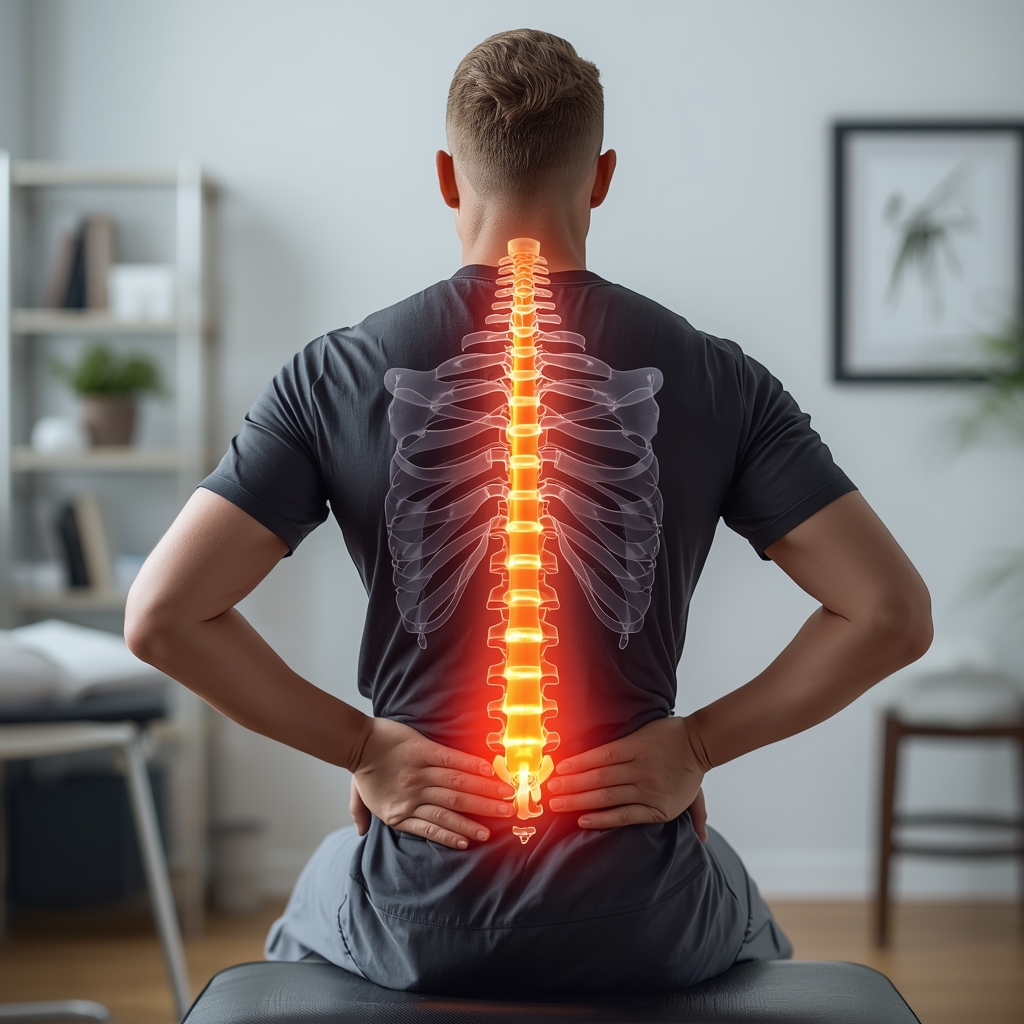
The Lumbar Spine's Role in Lower Body Mobility
The lumbar spine, comprising five vertebrae (L1-L5), serves as a critical link between the upper body and lower extremities. Its structure provides stability while allowing flexibility for movements like bending, twisting, and walking. The intervertebral discs act as shock absorbers, and the spinal nerves exiting the lumbar region innervate muscles and sensory areas in the hips, legs, and feet. Proper alignment of the lumbar spine ensures efficient force transmission during physical activities, while misalignments—such as subluxations—can disrupt nerve function and impair mobility. This region also supports the weight of the upper body, making its health essential for maintaining posture and balance during daily tasks.
Common Dysfunctions Affecting the Lumbar Spine
Issues like herniated discs, degenerative disc disease, or facet joint inflammation can compromise lumbar spine function. These conditions may cause pain, stiffness, or reduced range of motion, limiting activities such as squatting, climbing stairs, or prolonged standing. Nerve compression, as seen in sciatica, often leads to radiating pain down the legs, further hindering mobility. Poor posture, muscle imbalances, or repetitive strain can exacerbate these problems. Additionally, the lumbar spine’s role in core stability means dysfunctions here may indirectly affect hip and pelvic mechanics, creating a cascade of movement limitations. Addressing these issues early is key to preventing long-term mobility challenges.
Chiropractic Assessment of Lumbar Spine Dysfunctions
Chiropractors begin by evaluating a patient’s medical history and performing physical exams to identify lumbar spine dysfunctions. Techniques like palpation, range-of-motion testing, and neurological assessments help detect misalignments or soft tissue abnormalities. Imaging, such as X-rays or MRI, may be used to visualize structural issues, though this is typically reserved for complex cases. The goal is to pinpoint how spinal irregularities impact nerve function and musculoskeletal mechanics. By understanding the root cause of mobility restrictions, chiropractors can tailor adjustments and complementary therapies to restore optimal function. This holistic approach ensures interventions address both symptoms and underlying biomechanical imbalances.
Chiropractic Adjustments for Lumbar Spine Function
Spinal adjustments, a core chiropractic technique, aim to correct misalignments in the lumbar region through controlled, precise movements. These adjustments can reduce nerve pressure, improve joint mobility, and alleviate pain. For example, a high-velocity, low-force thrust may realign a displaced vertebra, while mobilization techniques gently stretch restricted joints. By restoring proper biomechanics, adjustments can enhance nerve signaling to the lower body, supporting muscle function and coordination. Patients often report improved flexibility and reduced discomfort after sessions. However, these interventions are always performed by licensed professionals, ensuring safety and effectiveness for individual needs.
Complementary Techniques for Lumbar Spine Care
Beyond adjustments, chiropractors may employ techniques like soft tissue therapy, rehabilitative exercises, or Active Release Technique (ART) to address lumbar spine dysfunctions. Soft tissue work targets tight muscles or scar tissue around the spine, while corrective exercises strengthen core and stabilizing muscles. ART, which focuses on breaking down adhesions in muscles and fascia, can improve mobility and reduce pain. Chiropractors might also recommend ergonomic adjustments or lifestyle modifications to prevent future issues. These approaches work synergistically with adjustments to promote long-term spinal health. Patients are encouraged to follow professional guidance to ensure these methods align with their specific conditions and goals.
When to Seek Professional Care for Lumbar Spine Issues
If lower body mobility is compromised by pain, stiffness, or weakness, consulting a chiropractor is a proactive step. Professionals can differentiate between musculoskeletal issues and other conditions requiring medical intervention. While chiropractic care is effective for many spinal dysfunctions, it is not a substitute for emergency treatment in cases like severe trauma or neurological symptoms. Regular checkups can also help maintain spinal health and prevent minor issues from escalating. By working with a qualified chiropractor, patients can address lumbar spine concerns in a safe, personalized manner, supporting overall mobility and quality of life.














