
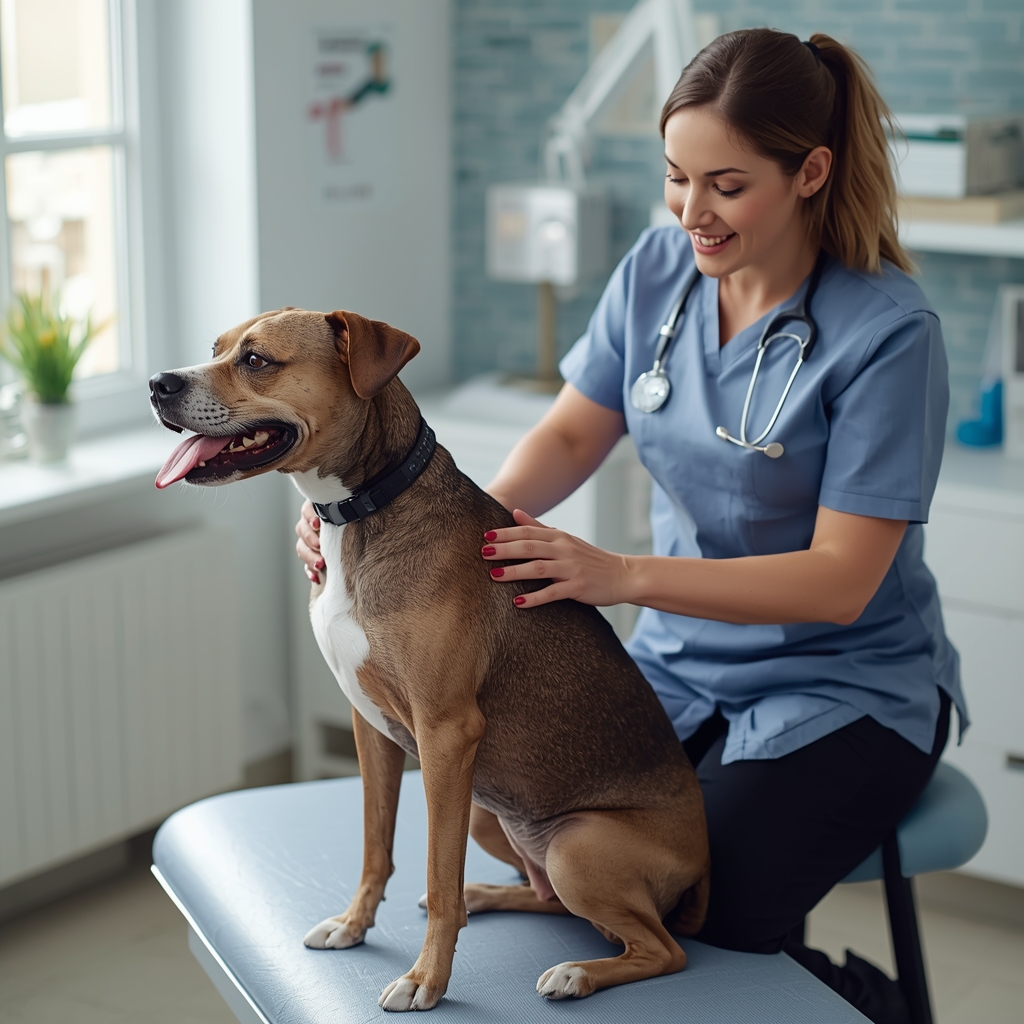
Understanding the Unique Needs of Animal Patients
Chiropractors treating animals must recognize that spinal misalignments in pets and livestock differ significantly from human cases. Animals have distinct anatomical structures, movement patterns, and communication methods, requiring tailored approaches. For example, a horse’s spine differs greatly from a dog’s, affecting how adjustments are performed. Chiropractors must also consider the animal’s behavior, as many cannot articulate pain or discomfort. This necessitates a deep understanding of species-specific physiology and the ability to interpret non-verbal cues. Proper training in animal chiropractic is essential to ensure safe and effective care. By prioritizing the animal’s unique needs, practitioners can provide targeted treatments that support overall musculoskeletal health without relying on human-centric techniques.
Anatomical and Physiological Considerations
Animal spines vary widely in structure, from the elongated vertebrae of a cat to the robust lumbar region of a horse. These differences influence how misalignments occur and how they should be addressed. For instance, small mammals may require gentler adjustments compared to larger animals. Chiropractors must also account for variations in joint mobility, muscle density, and nervous system sensitivity. Additionally, animals often compensate for pain in ways that differ from humans, such as altered gait or posture. Understanding these physiological nuances is critical to avoiding harm and ensuring effective treatment. Practitioners must stay informed about species-specific research and collaborate with veterinarians to develop safe, evidence-based protocols for spinal care in animals.
Behavioral and Communication Challenges
Animals cannot verbally express pain or discomfort, making diagnosis and treatment more complex. Chiropractors must rely on observing body language, movement patterns, and responses to touch. A horse might show signs of distress through head tossing or resistance, while a cat may become more withdrawn. Building trust with the animal is essential to facilitate cooperation during adjustments. Techniques often involve creating a calm environment and using positive reinforcement. Practitioners must also be prepared to adapt their approach if an animal becomes stressed or uncooperative. This requires patience, empathy, and a deep understanding of animal behavior to ensure the process is as comfortable and effective as possible for the patient.
Technique Adaptations for Animal Patients
Animal chiropractic adjustments differ from human techniques in both method and intensity. Smaller animals may require lighter pressure, while larger species might need specialized tools to access deeper structures. The use of manual thrusts, mobilization, or instrument-assisted techniques varies based on the animal’s size and condition. For example, a dog’s spine may be adjusted using a handheld instrument, whereas a horse might require a different approach due to its body structure. Chiropractors must also consider the animal’s comfort and safety, avoiding any maneuvers that could cause harm. These adaptations highlight the importance of ongoing education and hands-on experience in animal care, ensuring treatments are both effective and gentle for the patient.
Safety and Ethical Guidelines for Animal Care
Chiropractors working with animals must adhere to strict safety and ethical standards to protect both the patient and the practitioner. Proper certification in animal chiropractic is crucial, as techniques must be performed with precision to avoid injury. Practitioners should always consult with a licensed veterinarian to confirm the animal’s condition and rule out other underlying issues. In cases where an animal is in severe pain or has a known medical condition, chiropractic care should be approached with caution or avoided altogether. Ethical considerations also include transparency with pet owners about the potential benefits and risks of treatment. By prioritizing the animal’s well-being and maintaining professional boundaries, chiropractors can provide responsible, high-quality care in this specialized field.
Collaboration with Veterinarians and Other Professionals
Effective animal chiropractic care often requires a collaborative approach involving veterinarians, veterinary technicians, and other healthcare providers. Chiropractors should work closely with veterinarians to ensure treatments align with the animal’s overall health plan. This partnership helps identify contraindications, such as fractures or severe arthritis, that may require alternative therapies. Regular communication between professionals ensures that the animal receives comprehensive care without conflicting interventions. Additionally, veterinarians can provide valuable insights into the animal’s medical history and current condition. By fostering these relationships, chiropractors can enhance treatment outcomes while upholding the highest standards of care for their animal patients.















