
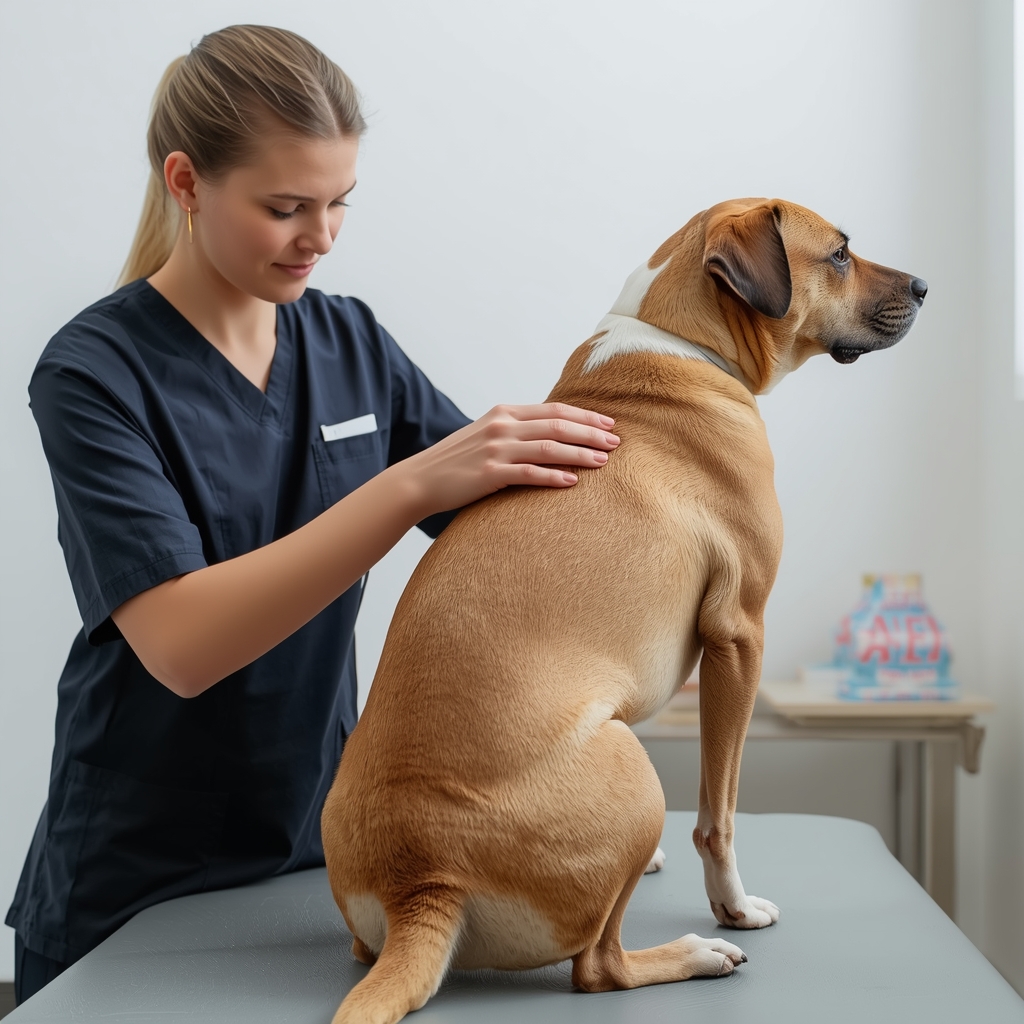
Understanding Veterinary Chiropractic Care for Canines
Chiropractic adjustments for dogs with chronic back pain require specialized knowledge of canine anatomy and physiology. Unlike human chiropractic care, veterinary practices must account for differences in spinal structure, musculature, and mobility. Dogs often develop back pain due to breed-specific predispositions, age-related degeneration, or injuries. A qualified veterinary chiropractor evaluates the animal’s condition through physical exams and imaging, ensuring adjustments align with the dog’s unique needs. This approach emphasizes gentle, targeted interventions to alleviate discomfort while prioritizing the animal’s safety and comfort.
Key Considerations for Canine Spinal Adjustments
Several factors distinguish canine chiropractic care from human practices. First, dogs have shorter, more flexible spines with distinct vertebral shapes, requiring adjustments tailored to their biomechanics. Second, pain expression in dogs differs from humans, necessitating careful observation of behavior and movement. Third, the use of sedation or restraint may be required for certain patients, adding layers of complexity. Additionally, underlying conditions like hip dysplasia or intervertebral disc disease must be considered. These factors underscore the importance of working with a certified professional who understands the nuances of animal chiropractic care.
Techniques and Tools Used in Veterinary Adjustments
Human chiropractic adjustments often involve high-velocity, low-force thrusts, but canine care typically uses gentler, more controlled methods. Techniques such as mobilization, soft tissue therapy, and muscle energy are commonly employed to address spinal misalignments without excessive force. Specialized tools like handheld instruments or low-force devices may be used to minimize discomfort. The focus is on restoring proper joint function and nerve flow while avoiding trauma. These adaptations reflect the need for precision and care when treating animals, ensuring adjustments are both effective and safe for their smaller, more delicate structures.
Safety Protocols and Professional Training
Chiropractic care for dogs demands rigorous training and certification to ensure safety. Veterinarians or chiropractors specializing in animal care undergo additional education in comparative anatomy and species-specific techniques. Before adjustments, a thorough health assessment is critical to identify contraindications, such as severe osteoporosis or acute inflammation. Safety protocols also include monitoring the animal’s response during and after treatment. Unlike human chiropractic care, which often involves direct patient communication, veterinary adjustments rely on indirect indicators of comfort and improvement. This highlights the necessity of working with credentialed professionals who prioritize the animal’s well-being at every step.
Comparing Human and Canine Chiropractic Approaches
While both human and canine chiropractic aim to improve spinal function, the methods diverge significantly. Human adjustments often target specific vertebrae with quick, precise movements, whereas canine care emphasizes gradual, sustained pressure to accommodate their unique spinal curves. Dogs may also require multiple sessions for cumulative benefits, as their musculoskeletal systems respond differently to manual therapy. Additionally, the role of the owner in post-adjustment care differs, with dogs relying entirely on their handlers for rest and activity modification. These distinctions underscore the need for tailored approaches that respect the biological and behavioral differences between species.
Collaborating with Veterinary Professionals
Owners of dogs with chronic back pain should collaborate closely with both their veterinarian and a certified animal chiropractor. This partnership ensures a holistic approach that integrates chiropractic care with other treatments, such as physical therapy or medication. Regular communication helps track progress and adjust protocols as needed. It’s crucial to remember that chiropractic adjustments are not a standalone solution but part of a broader care plan. By working with qualified professionals, pet owners can support their dog’s recovery while minimizing risks. Always consult a licensed practitioner to determine the most appropriate course of action for your canine companion’s specific condition.















