
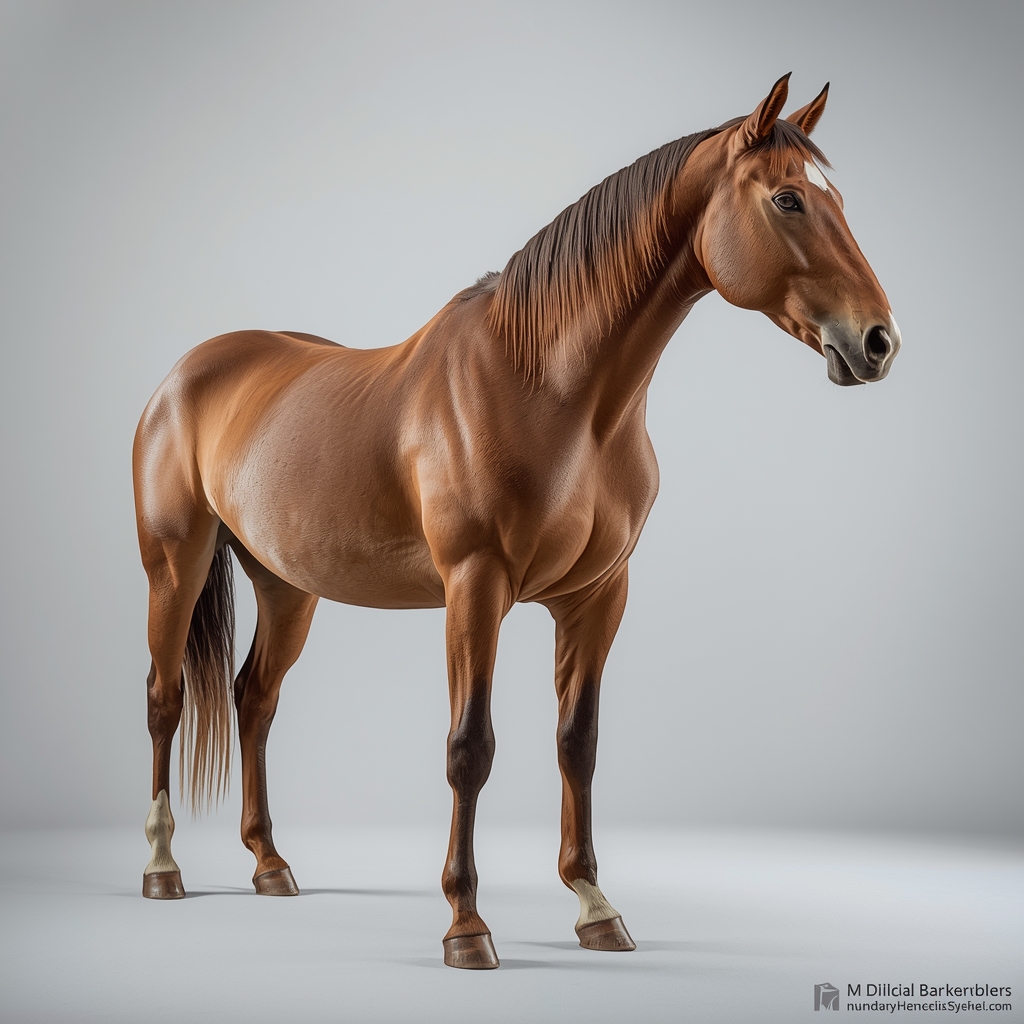
Understanding Arthritis in Senior Horses
Arthritis is a common condition affecting older horses, causing joint inflammation, stiffness, and reduced mobility. As horses age, wear and tear on their joints can lead to discomfort, making everyday activities like walking or standing more challenging. While veterinary care often focuses on medication and lifestyle adjustments, chiropractic care offers a complementary approach to support joint health and movement. By addressing spinal and joint alignment, chiropractors aim to reduce pressure on nerves and improve overall function, potentially enhancing a horse’s quality of life. It’s important to note that chiropractic care should always be part of a broader treatment plan guided by a veterinarian and qualified animal chiropractor.
How Chiropractic Adjustments Work for Horses
Chiropractic adjustments for horses involve precise, controlled movements to realign the spine and joints. This process can relieve pressure on nerves, improve blood flow, and restore normal range of motion. For senior horses with arthritis, misalignments in the spine or joints may exacerbate pain and limit mobility. By gently adjusting these areas, chiropractors aim to reduce inflammation and promote natural healing. The techniques used are tailored to each horse’s size, condition, and comfort level. While not a substitute for medical treatment, many horse owners report improved flexibility and comfort after regular sessions. Always consult a licensed professional to ensure the approach is safe and appropriate for the individual animal.
Improving Mobility Through Spinal Health
The spine plays a critical role in a horse’s movement and overall well-being. When arthritis causes joint stiffness, it can lead to compensatory movements that strain other parts of the body. Chiropractic adjustments focus on restoring proper spinal mechanics, which may help alleviate pain and improve coordination. By addressing misalignments, chiropractors can reduce nerve interference, allowing the body to function more efficiently. This may translate to easier movement, reduced lameness, and greater comfort during daily activities. While results vary, many practitioners observe gradual improvements in mobility when adjustments are combined with other supportive care. Regular assessments can help track progress and adjust the treatment plan as needed.
Safety and Considerations for Senior Horses
Chiropractic care for senior horses requires careful evaluation to ensure it’s suitable for their specific condition. A qualified animal chiropractor will conduct a thorough examination to identify any contraindications, such as severe joint damage or other health issues. The adjustments are performed with gentle techniques to minimize discomfort and avoid further injury. It’s crucial to work with professionals who have experience with equine patients, as horses have unique anatomical needs. Owners should also communicate openly with their veterinarian to coordinate care and monitor the horse’s response. While chiropractic care can be beneficial, it’s not a replacement for medical treatments like anti-inflammatory medications or physical therapy when needed.
Complementary Approaches to Arthritis Management
Chiropractic adjustments often work best when combined with other therapies to manage arthritis in senior horses. Physical therapy, acupuncture, and targeted exercise programs can enhance mobility and strengthen muscles around affected joints. Dietary supplements like glucosamine or omega-3 fatty acids may also support joint health. Additionally, maintaining a comfortable living environment with proper footing and regular movement can reduce strain on arthritic joints. Horse owners should discuss these options with their veterinarian and chiropractor to create a holistic care plan. Each horse’s needs are unique, so a personalized approach ensures the best possible outcomes while prioritizing the animal’s comfort and well-being.
Consulting Professionals for Optimal Care
For senior horses with arthritis, seeking guidance from both a veterinarian and a certified animal chiropractor is essential. These professionals can assess the horse’s condition, determine if chiropractic care is appropriate, and develop a tailored treatment strategy. Regular follow-ups allow for adjustments to be made as the horse’s needs change over time. While some horses may experience noticeable improvements in mobility, others may require a combination of therapies for optimal results. Owners should remain vigilant for any signs of discomfort or adverse reactions and report them promptly. By working with experienced caregivers, horse owners can help their senior animals maintain comfort and quality of life as they age.














