
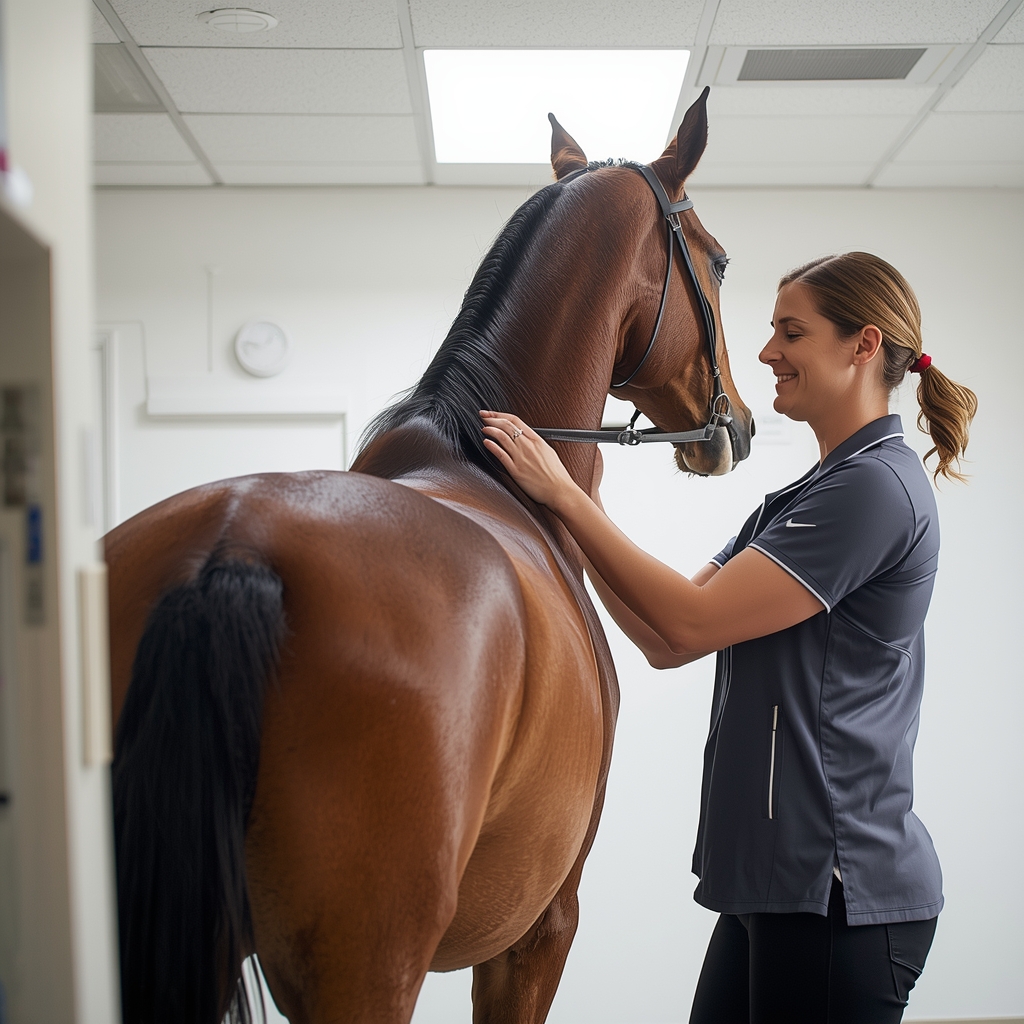
Understanding Equine Spinal Health
Equine spinal health is critical for show jumpers, as their performance relies on flexibility, balance, and coordinated movement. The horse's spine supports the entire musculoskeletal system, and even minor misalignments can lead to discomfort, reduced range of motion, or compensatory movements. These issues may manifest as lameness, resistance during training, or decreased agility over time. Regular spinal checkups help identify and address these problems early, ensuring the horse remains comfortable and capable of performing at its best. Chiropractic care focuses on restoring proper alignment, which can enhance nerve function and muscle efficiency. This foundational approach supports the horse’s overall well-being, making it a valuable component of equine management.
How Spinal Adjustments Enhance Performance
Spinal adjustments for horses involve precise manual techniques to correct vertebral misalignments, known as subluxations. By restoring proper joint mobility, these adjustments can improve the horse’s range of motion, reduce pain, and enhance neuromuscular coordination. For show jumpers, this means smoother takeoffs, more precise landings, and greater overall agility. Improved spinal function also supports the horse’s ability to maintain balance during complex maneuvers, which is essential for competitive success. Many riders and trainers report noticeable improvements in their horses’ responsiveness and energy levels after chiropractic sessions. While individual results vary, the goal is to optimize the horse’s physical potential through non-invasive, holistic care that complements traditional training methods.
Preventing Lameness Through Regular Care
Lameness in show jumpers often stems from musculoskeletal imbalances, joint stiffness, or nerve irritation—issues that can be mitigated with consistent chiropractic care. Regular spinal adjustments help maintain proper alignment, reducing the risk of compensatory gait patterns that may lead to long-term injury. By addressing minor misalignments before they escalate, chiropractors can prevent chronic conditions that might otherwise require more intensive treatments. This proactive approach also supports the horse’s ability to recover from physical stress, such as intense training or competition. Owners who prioritize spinal health often notice fewer instances of stiffness or reluctance to perform. While chiropractic care is not a substitute for veterinary attention, it serves as a valuable preventive measure that contributes to the horse’s longevity and comfort.
The Role of a Qualified Animal Chiropractor
Equine chiropractic care should always be performed by a licensed professional trained in animal-specific techniques. These practitioners undergo specialized education to understand the unique anatomy and movement patterns of horses. A qualified chiropractor uses gentle, targeted adjustments to address spinal and joint issues without causing discomfort. They also collaborate with veterinarians to ensure comprehensive care, especially when underlying medical conditions are present. Owners should seek certifications from recognized organizations, such as the American Veterinary Chiropractic Association, to verify a practitioner’s credentials. Regular evaluations by a skilled chiropractor can help monitor the horse’s progress and adjust treatment plans as needed. This partnership between the owner, veterinarian, and chiropractor ensures the horse receives safe, effective, and personalized care tailored to its needs.
Integrating Chiropractic with Other Care Practices
Chiropractic care works best when combined with other equine wellness strategies, such as proper nutrition, exercise, and veterinary checkups. For show jumpers, a holistic approach ensures all aspects of the horse’s health are addressed. Regular grooming, hoof care, and conditioning programs support the benefits of spinal adjustments by maintaining overall musculoskeletal balance. Massage therapy, acupuncture, and physical therapy can also complement chiropractic treatments, enhancing pain relief and mobility. Owners should maintain open communication with their horse’s care team to create a cohesive plan. While chiropractic adjustments focus on spinal alignment, they are most effective when integrated into a broader framework of preventive and supportive care. This collaborative strategy maximizes the horse’s comfort, performance, and long-term health.
Conclusion: A Holistic Approach to Equine Wellness
Equine spinal adjustments offer a valuable tool for improving performance and preventing lameness in show jumpers, but they are part of a larger picture. By prioritizing spinal health, owners can support their horses’ physical and neurological well-being, enabling them to thrive in competitive environments. The benefits of chiropractic care extend beyond immediate relief, contributing to long-term mobility and comfort. However, it is essential to approach this care as a complementary practice rather than a standalone solution. Consulting with a qualified animal chiropractor and collaborating with other equine professionals ensures the horse receives balanced, evidence-based support. For owners committed to their horse’s health, integrating chiropractic care into a comprehensive wellness plan can make a meaningful difference in the animal’s quality of life and performance capabilities.














