
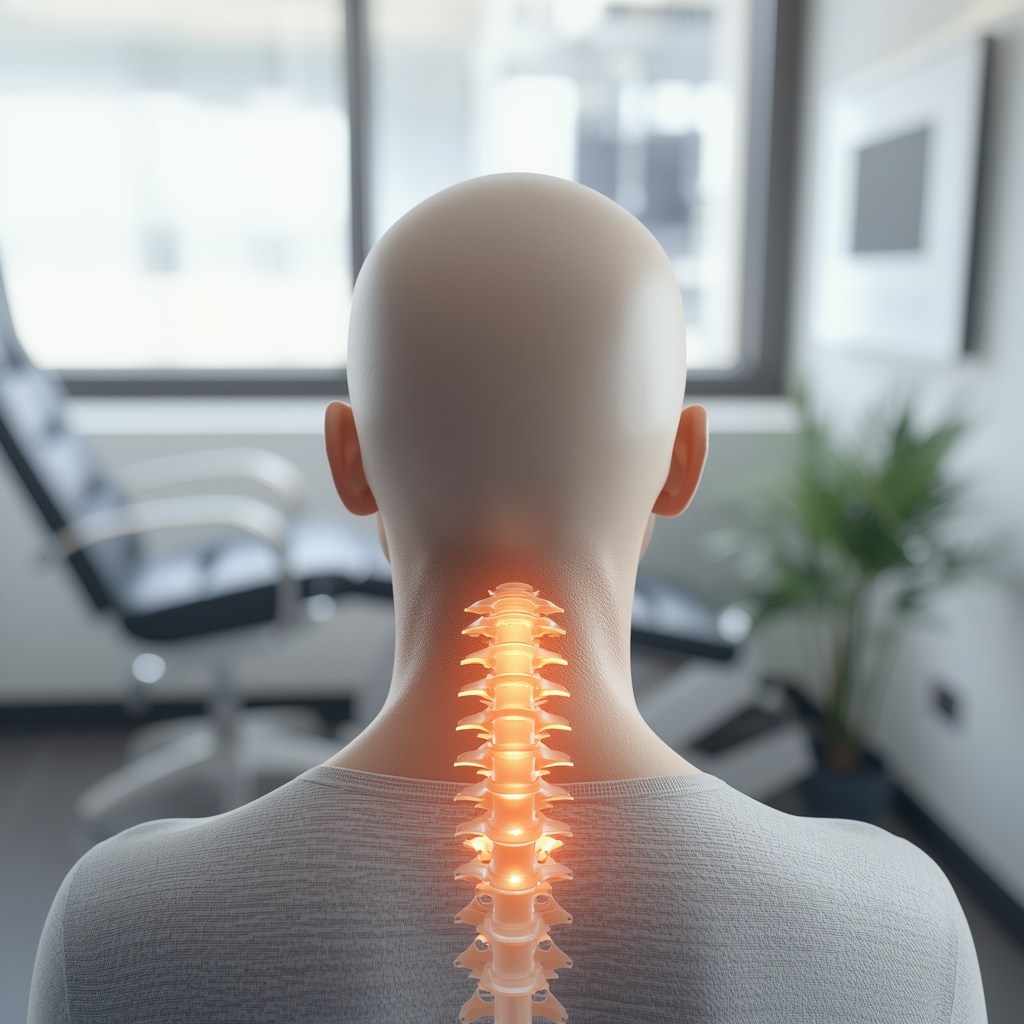
The Cervical Spine and Cranial Nerve Connections
The cervical spine, comprising the seven vertebrae in the neck, plays a critical role in protecting and facilitating the function of cranial nerves. These nerves originate directly from the brainstem and control essential functions like facial movements, sensory perception, and autonomic processes. The cervical spine's structure allows for flexibility while maintaining stability, ensuring these nerves can transmit signals efficiently. Misalignments or restricted motion in this region may interfere with nerve pathways, potentially affecting sensory, motor, and regulatory functions. Understanding this anatomical relationship highlights why cervical health is vital for overall neural communication and bodily function.
How Cranial Nerves Interact with Spinal Mechanics
Cranial nerves exit the skull through specific foramina and travel through the cervical spine, where they may encounter spinal structures. For example, the vagus nerve (cranial nerve X) passes through the neck and is influenced by spinal alignment. The cervical spine's curvature and joint mobility impact the tension and positioning of these nerves. When the spine is misaligned, it can create mechanical stress or compression, disrupting nerve signaling. This interaction underscores the importance of maintaining optimal cervical spine function to support cranial nerve integrity and prevent potential dysfunctions in related systems, such as digestion, heart rate, and facial sensation.
Impact of Cervical Spine Misalignment on Neural Function
Misalignments in the cervical spine, often called subluxations, can alter the biomechanics of the neck and affect cranial nerve function. These disruptions may lead to symptoms like dizziness, headaches, or sensory changes due to impaired nerve signaling. For instance, restricted motion in the upper cervical region might compromise the trigeminal nerve (cranial nerve V), affecting facial pain perception. Additionally, altered spinal mechanics can influence the autonomic nervous system, potentially contributing to issues like blood pressure fluctuations or digestive irregularities. Addressing these misalignments through proper care may help restore balanced neural communication and alleviate associated symptoms.
Chiropractic Adjustments and Neural Communication
Chiropractic adjustments aim to restore proper alignment and mobility to the cervical spine, which can enhance cranial nerve function. By reducing mechanical stress on nerves, these adjustments may improve signal transmission and overall neural efficiency. Techniques like diversified spinal manipulation or activator methods are commonly used to address cervical misalignments. Some patients report relief from symptoms linked to cranial nerve dysfunction after adjustments, though individual responses vary. While chiropractic care is not a substitute for medical treatment, it may complement other therapies by supporting the body's natural ability to maintain balance and function in the nervous system.
Common Chiropractic Techniques for Cervical Optimization
Chiropractors employ various techniques to address cervical spine issues and support cranial nerve function. The Gonstead method focuses on precise analysis and adjustment of spinal segments, while the Atlas Orthogonal technique targets the topmost cervical vertebra with gentle, instrument-assisted adjustments. Soft tissue therapies, such as myofascial release, may also be used to alleviate tension around the neck. These approaches aim to improve spinal alignment, reduce nerve irritation, and promote optimal neural communication. Patients should discuss their specific needs with a qualified provider to determine the most appropriate techniques for their condition.
Consulting a Chiropractor for Personalized Care
Each individual's cervical spine and cranial nerve function are unique, making personalized evaluation essential. A chiropractor can assess spinal alignment, identify potential misalignments, and develop a tailored care plan. This process may include diagnostic imaging, physical exams, and a review of symptoms to guide treatment. While chiropractic adjustments may support neural function, they should be part of a broader approach that considers other factors like posture, lifestyle, and medical history. Patients experiencing symptoms related to cranial nerve dysfunction should consult a licensed chiropractor to explore potential benefits and ensure safe, effective care.















