
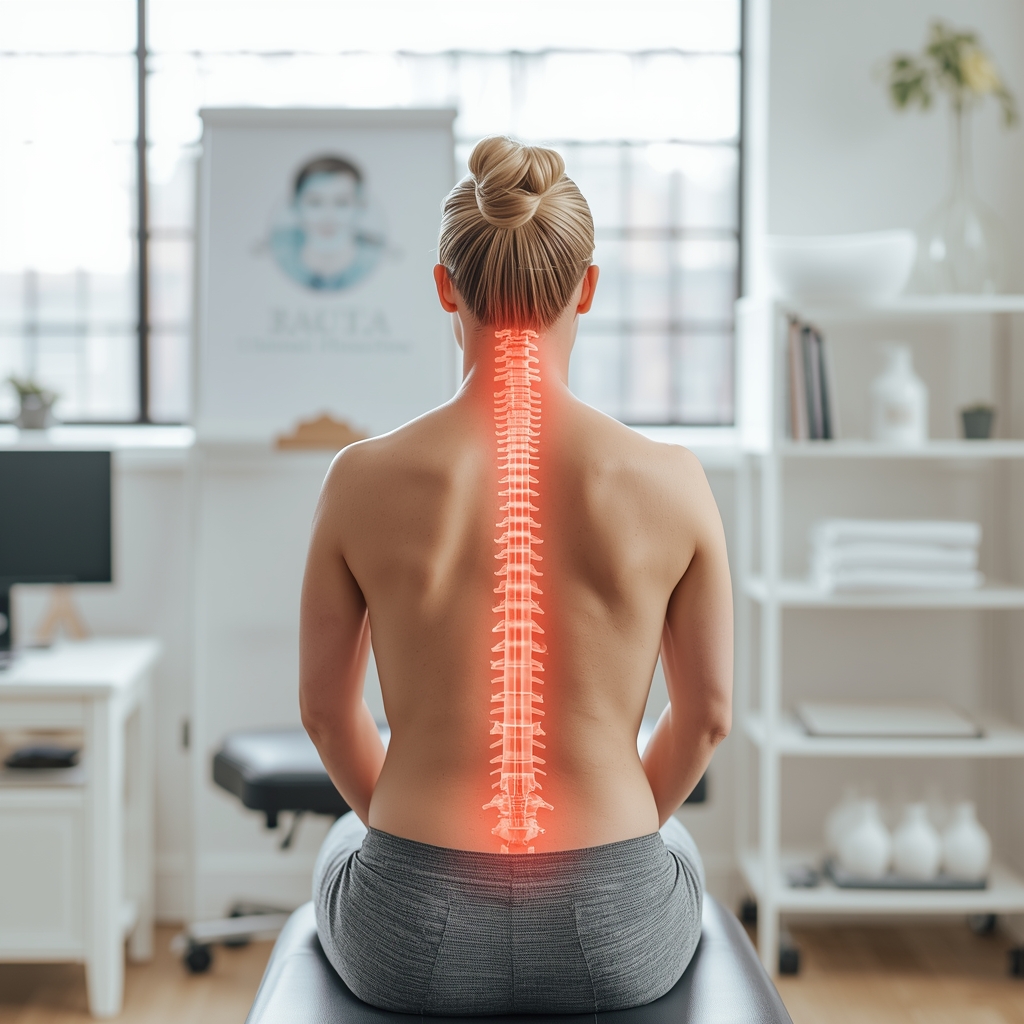
Understanding Thoracic Outlet Syndrome and Chiropractic Care
Thoracic Outlet Syndrome (TOS) occurs when nerves or blood vessels in the thoracic outlet—between the neck and armpit—are compressed. This can lead to pain, numbness, and weakness in the arms or hands. While surgical options exist, many chiropractors focus on non-invasive methods to alleviate symptoms. Postural reeducation and soft tissue mobilization are two approaches that address underlying musculoskeletal imbalances. These techniques aim to reduce pressure on affected structures, improve mobility, and enhance overall function. By prioritizing holistic care, chiropractors help patients manage TOS without relying on medication or surgery. However, individual results vary, and a qualified provider should assess each case to determine the best course of action.
Postural Reeducation: Correcting Alignment for Relief
Poor posture, such as forward head positioning or rounded shoulders, is a common contributor to TOS. Chiropractors use postural reeducation to identify and correct these misalignments. Through guided exercises, ergonomic adjustments, and patient education, they help restore proper spinal and shoulder mechanics. For example, strengthening the upper back muscles while stretching tight chest tissues can relieve pressure on the thoracic outlet. This process often involves repetitive practice to retrain the body’s natural alignment. By addressing postural habits, chiropractors reduce strain on nerves and blood vessels, potentially easing TOS symptoms. However, consistency and follow-up are key to long-term success.
Soft Tissue Mobilization: Alleviating Muscle Tension
Soft tissue mobilization techniques target tight or restricted muscles that may compress nerves or blood vessels in the thoracic outlet. Chiropractors use methods like myofascial release, massage, or instrument-assisted therapy to improve flexibility and reduce inflammation. These approaches can ease discomfort caused by overactive muscles, such as the scalenes or pectoralis minor. By restoring normal tissue function, practitioners help the body move more efficiently, minimizing the risk of further compression. While results vary, many patients report reduced pain and improved range of motion. As with any treatment, it’s essential to discuss options with a chiropractor to ensure the techniques align with your specific condition.
Combining Posture and Soft Tissue Care for Comprehensive Relief
Chiropractors often integrate postural reeducation with soft tissue mobilization to address TOS from multiple angles. Correcting posture alone may not resolve muscle-related restrictions, while soft tissue work alone might not address underlying biomechanical issues. A combined approach ensures both structural and muscular factors are addressed. For instance, a patient might receive adjustments to realign the spine, followed by targeted soft tissue therapy to release tight muscles. This synergy can enhance recovery and prevent recurrence. Patients are typically encouraged to engage in home exercises and maintain ergonomic habits to support these in-office treatments. The goal is to create a balanced, sustainable solution for managing TOS symptoms.
What to Expect During Chiropractic Sessions
During a session focused on TOS, a chiropractor will likely begin with a thorough assessment, including posture analysis and muscle testing. Based on findings, they may employ postural reeducation strategies, such as guided stretching or strengthening routines. Soft tissue mobilization could involve manual techniques or specialized tools to release tension. Patients might feel immediate relief or gradual improvement over multiple visits. It’s important to communicate any discomfort or concerns during treatment. Chiropractors tailor their methods to individual needs, so outcomes can vary. Follow-up appointments are typically recommended to monitor progress and adjust the plan as needed. Always consult a licensed provider to ensure safe and effective care.
When to Seek Chiropractic Help for TOS
If you experience persistent arm pain, numbness, or weakness, consider consulting a chiropractor with experience in TOS. Non-surgical options like postural reeducation and soft tissue mobilization may offer relief without the risks of surgery. Chiropractors can also collaborate with other healthcare providers to create a comprehensive care plan. However, severe cases or symptoms that worsen should prompt a visit to a medical doctor. Chiropractic care is most effective when started early and combined with lifestyle adjustments. Always discuss your medical history and current symptoms with a qualified professional before beginning any treatment. Prioritizing regular check-ups can help maintain spinal health and prevent TOS-related issues from recurring.














