
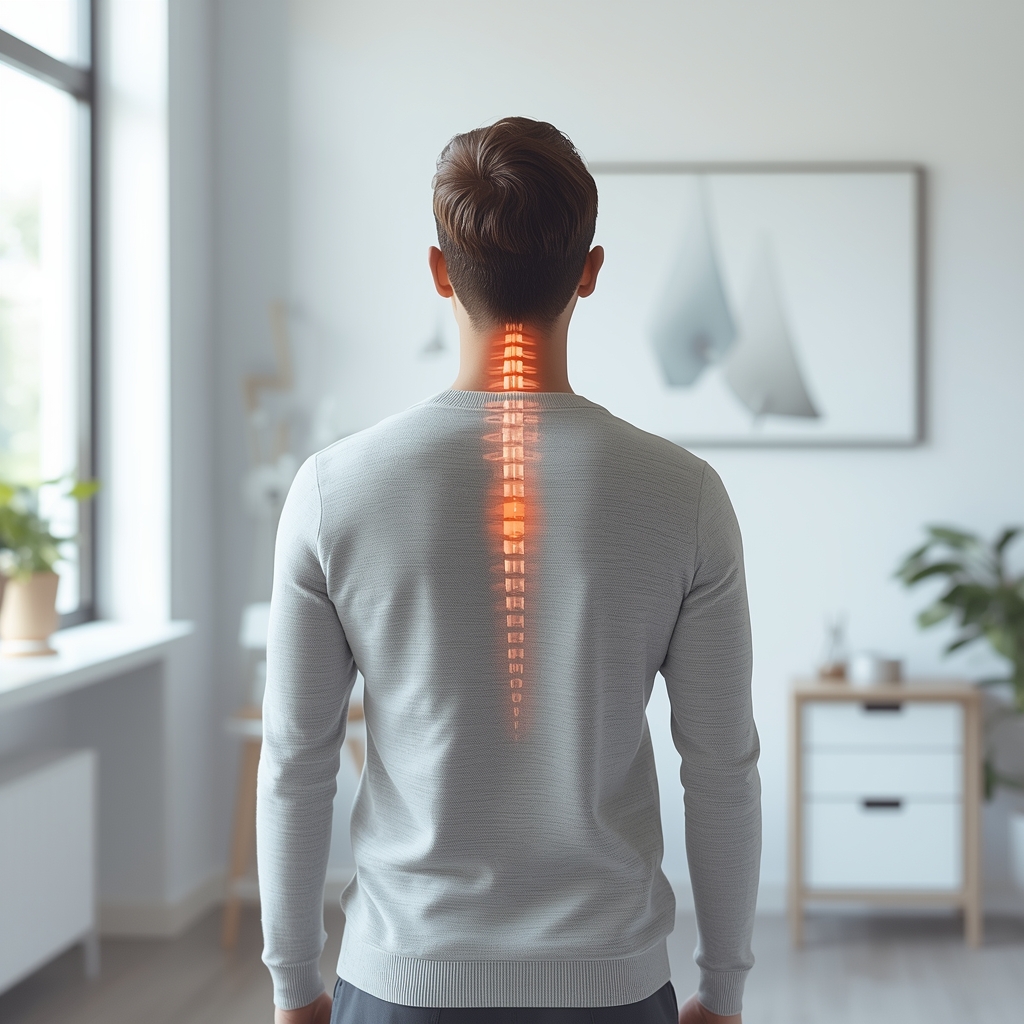
Understanding Thoracic Outlet Syndrome and Postural Reeducation
Thoracic outlet syndrome (TOS) occurs when nerves or blood vessels in the thoracic outlet—between the neck and armpit—are compressed. This can cause pain, numbness, and weakness in the arms and hands. Postural reeducation, a strategy to correct misalignments and improve body mechanics, plays a key role in managing TOS symptoms. Poor posture, such as slouching or forward head positioning, can narrow the thoracic outlet, exacerbating compression. Chiropractors use postural reeducation to address these issues, aiming to relieve pressure and restore optimal function. By identifying and correcting postural imbalances, they help patients reduce discomfort and prevent further complications.
How Poor Posture Contributes to TOS
Common postural issues like rounded shoulders, excessive cervical lordosis, or a forward head position can compress the brachial plexus or subclavian artery, leading to TOS symptoms. These misalignments alter the natural curvature of the spine, reducing the space available for nerves and blood vessels. Over time, this compression can cause chronic pain, tingling, or even circulatory problems. Chiropractors assess a patient’s posture to identify these contributing factors. By addressing the root causes—such as muscle imbalances or weak core stability—they can develop targeted strategies to alleviate pressure and improve overall alignment, which is critical for long-term relief.
Postural Correction Strategies for TOS Relief
Chiropractors employ various postural correction techniques to ease TOS symptoms. These may include ergonomic adjustments for workspaces, exercises to strengthen postural muscles, and manual therapies to realign the spine. For example, correcting forward head posture through targeted stretches and strengthening the upper back can widen the thoracic outlet. Patients may also benefit from learning proper sitting and standing habits to maintain alignment. Chiropractors often use real-time feedback, such as mirrors or posture sensors, to guide patients in achieving and sustaining better postures. These strategies aim to reduce nerve and vascular compression, promoting long-term symptom management and improved quality of life.
Chiropractic Techniques for Postural Reeducation
Chiropractors use a combination of manual adjustments, soft tissue therapy, and patient education to retrain posture. Spinal adjustments help restore proper alignment, while myofascial release techniques ease tension in overactive muscles contributing to poor posture. Patients are often taught specific exercises, like scapular stabilizations or cervical retractions, to reinforce correct positioning. Additionally, chiropractors may recommend supportive devices, such as ergonomic chairs or posture braces, to aid in habit formation. By integrating these methods, they address both structural and behavioral aspects of postural imbalances. This holistic approach not only alleviates TOS symptoms but also empowers patients to maintain healthier postures independently.
Combining Postural Reeducation with Other TOS Treatments
Postural reeducation is most effective when combined with other TOS treatments. Chiropractors may collaborate with physical therapists to design rehabilitation programs that include stretching, strengthening, and mobility exercises. In some cases, modalities like ultrasound or electrical stimulation can complement postural corrections by reducing inflammation and muscle spasms. Patients are encouraged to adopt lifestyle changes, such as regular movement breaks and ergonomic workspace setups, to sustain progress. By addressing TOS from multiple angles, chiropractors help patients achieve more comprehensive relief. However, individualized care is essential, as the best approach depends on the specific type and severity of TOS a patient experiences.
Conclusion: The Role of Postural Reeducation in TOS Management
Postural reeducation is a vital tool for chiropractors in managing thoracic outlet syndrome. By correcting misalignments and improving body mechanics, it helps alleviate nerve and vascular compression, reducing pain and discomfort. Patients benefit from a personalized approach that combines manual therapies, exercises, and lifestyle adjustments. While postural reeducation alone may not resolve all TOS cases, it significantly contributes to symptom relief and long-term wellness. As with any treatment, consulting a qualified chiropractor is crucial to determine the most suitable strategies for individual needs. Through ongoing care and education, patients can achieve better posture and improved quality of life.













