
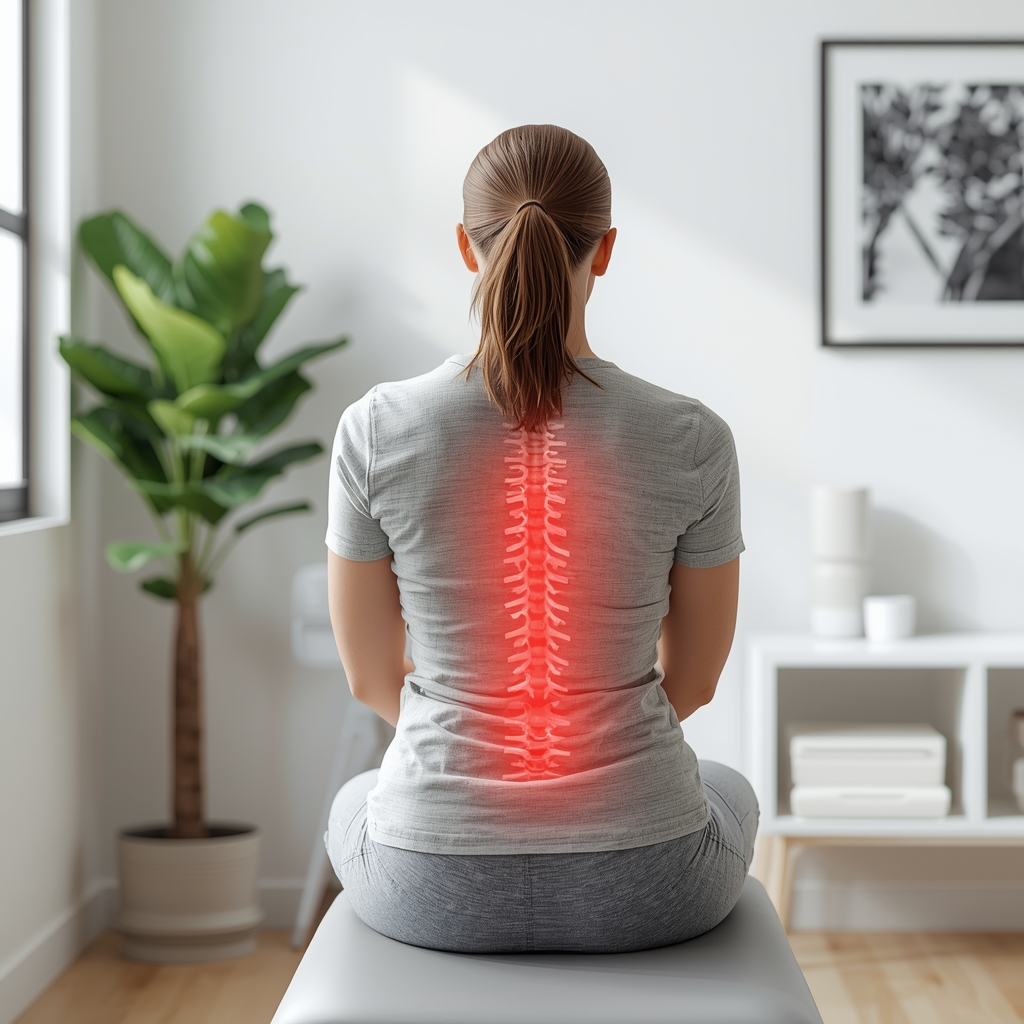
Document Your Symptoms and Medical History
Patients with sciatica should prepare by documenting their symptoms and medical history before a chiropractic visit. Note the location, intensity, and duration of pain, as well as any activities that worsen or alleviate discomfort. Bringing a list of current medications, allergies, and prior treatments helps the chiropractor understand your unique situation. If you have imaging results (e.g., MRI, X-rays) or a diagnosis from another healthcare provider, bring those as well. This information allows the chiropractor to tailor their approach and avoid potential conflicts with existing care plans. Avoid making assumptions about your condition—let the professional assess your needs based on accurate, detailed records.
Prepare a List of Questions
Arriving with a list of questions ensures you address all concerns during your visit. Ask about the chiropractor’s approach to sciatica, expected outcomes, and how many sessions may be needed. Inquire about any recommended lifestyle changes, such as posture adjustments or exercises. It’s also wise to ask about potential risks or discomfort during adjustments. Remember, this is your opportunity to understand the process and feel confident in your care. Avoid focusing on specific treatments—let the chiropractor guide you based on their evaluation. Open communication helps build trust and ensures your expectations align with the professional’s recommendations.
Wear Appropriate Clothing
Choose loose, comfortable clothing that allows easy access to your back and legs. Avoid tight-fitting clothes or those with zippers, belts, or buttons that may restrict movement or cause discomfort during the exam. Clothing that can be easily adjusted or removed (e.g., a loose shirt and stretchy pants) facilitates the chiropractor’s ability to assess your spine and perform adjustments. If you’re unsure, ask the clinic’s staff for guidance on what to wear. Being properly dressed also helps you feel more at ease, allowing you to focus on the session rather than your attire. Prioritize comfort without sacrificing modesty—most clinics provide drapes or gowns if needed.
Stay Hydrated and Avoid Heavy Meals
Staying hydrated supports overall bodily function, including muscle and nerve health, which can indirectly benefit sciatica management. Drink water throughout the day but avoid excessive intake right before the visit to prevent discomfort. Similarly, avoid heavy, greasy, or spicy meals beforehand, as they may cause bloating or nausea during the session. A light snack, such as fruit or a granola bar, can provide energy without weighing you down. Proper hydration and diet also help your body respond more effectively to adjustments. However, always follow any specific instructions from your chiropractor regarding food or drink, as individual needs may vary.
Mental and Emotional Preparation
Approach your visit with an open mind and realistic expectations. Sciatica can be complex, and chiropractic care may require multiple sessions to achieve results. If you feel anxious or uncertain, discuss these feelings with your chiropractor—they can help ease concerns and explain the process. Avoid arriving with preconceived notions about what will happen, as this can create unnecessary stress. Instead, focus on being proactive about your health and willing to collaborate with the provider. Mental readiness enhances your ability to engage with the care plan and follow through with any recommendations. Remember, your comfort and trust are priorities during the session.
Follow-Up and Communication
After the visit, communicate any changes in symptoms or new concerns with your chiropractor. Keep a journal of your pain levels, activities, and responses to adjustments to share at future appointments. If you experience unexpected discomfort or no improvement, contact the clinic for guidance. Follow-up ensures your care remains effective and adaptable to your progress. Avoid self-diagnosing or altering your care plan without professional input. Consistent communication helps the chiropractor refine their approach and address any challenges. This ongoing dialogue is key to achieving long-term relief and maintaining spinal health.












