
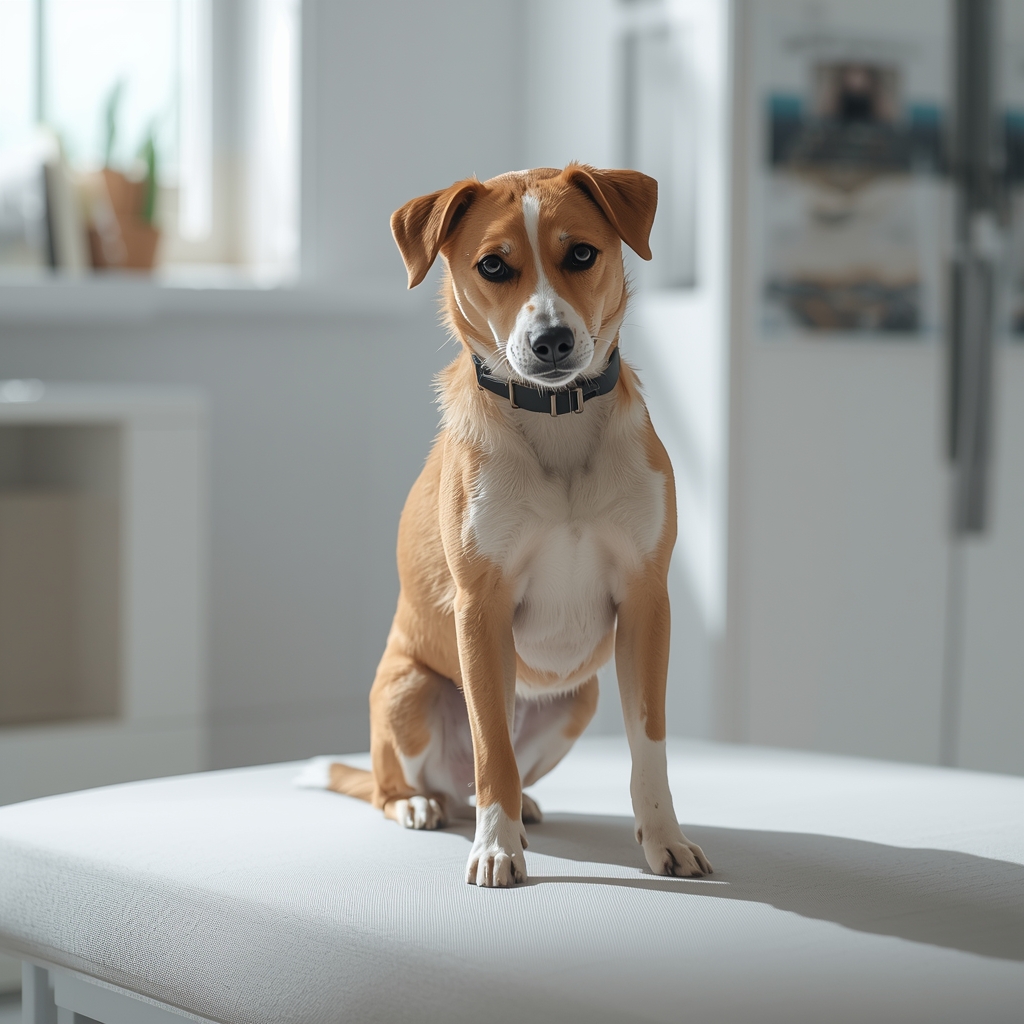
Introduction to Animal Chiropractic and Diagnostic Needs
Animal chiropractic focuses on musculoskeletal health in pets, particularly spinal alignment. Mobile practitioners require portable tools to assess small animals like dogs and cats during on-site visits. These tools must balance precision with portability, enabling accurate evaluations without compromising patient comfort. Unlike human-specific equipment, animal diagnostic devices often prioritize non-invasive, quick-use designs. Common challenges include limited space and the need for rapid, reliable data. Understanding these constraints helps practitioners choose equipment that supports effective, efficient care. This article explores tools tailored for mobile veterinary chiropractic, emphasizing their role in maintaining spinal health in small animals.
Portable Digital Goniometers for Joint Assessment
Portable digital goniometers measure joint angles and range of motion, critical for evaluating spinal and limb function in animals. These devices provide quantitative data, helping practitioners detect abnormalities like restricted movement or asymmetry. Their compact size makes them ideal for mobile settings, allowing assessments in various environments. By comparing readings over time, veterinarians can track progress and adjust treatment plans. However, proper training is essential to ensure accurate measurements, as incorrect technique may lead to misleading results. Goniometers are often used alongside other tools to create a comprehensive diagnostic approach, supporting informed decisions about spinal alignment and mobility.
Pressure Mat Systems for Gait Analysis
Pressure mats analyze weight distribution and gait patterns, offering insights into spinal alignment and musculoskeletal imbalances. These tools use sensors to map pressure points as an animal walks, identifying irregularities that may indicate pain or dysfunction. For mobile practitioners, lightweight, battery-powered mats are preferable, enabling on-site assessments without reliance on fixed equipment. While primarily used in human settings, adapted versions exist for veterinary use, focusing on smaller animals. Results can highlight issues like lameness or compensatory movements, guiding targeted adjustments. However, interpretation requires experience, as factors like terrain or animal behavior may influence readings. Pressure mats complement other diagnostic methods, enhancing overall evaluation accuracy.
Inertial Measurement Units (IMUs) for Motion Tracking
Inertial Measurement Units (IMUs) use accelerometers and gyroscopes to track movement patterns, providing objective data on spinal mobility and posture. These wearable devices are particularly useful for assessing dynamic alignment during activities like walking or turning. Their portability allows mobile practitioners to gather data in natural environments, improving real-world relevance. IMUs can detect subtle abnormalities in motion, such as uneven weight shifts or restricted movement, which may indicate spinal misalignments. While primarily used in human sports medicine, veterinary adaptations are emerging, focusing on small animals. However, practitioners must interpret results within the context of the animal’s behavior and medical history. IMUs offer a promising, non-invasive tool for mobile chiropractic assessments when used by trained professionals.
Thermographic Imaging for Soft Tissue Evaluation
Thermographic imaging detects temperature variations on the skin’s surface, which can indicate underlying musculoskeletal issues. In animal chiropractic, this tool helps identify areas of inflammation, nerve irritation, or restricted blood flow, often linked to spinal misalignments. Portable thermal cameras are increasingly used in mobile practices, offering quick, non-invasive scans. While not a standalone diagnostic method, thermography provides visual cues that guide further examination. It is particularly useful for monitoring treatment progress and detecting changes over time. However, results must be interpreted cautiously, as external factors like ambient temperature can affect readings. When combined with other tools, thermography enhances the diagnostic process, supporting targeted interventions for small animal patients.
Conclusion: Choosing the Right Tools for Mobile Practice
Selecting portable diagnostic tools for small animal chiropractic requires balancing accuracy, portability, and practicality. Digital goniometers, pressure mats, IMUs, and thermographic devices each offer unique advantages, but their effectiveness depends on proper training and context. Practitioners should prioritize tools that integrate seamlessly into mobile workflows while maintaining diagnostic reliability. Collaboration with veterinary professionals ensures these devices are used appropriately, avoiding misinterpretation. As the field evolves, new technologies may emerge, expanding options for on-site assessments. Ultimately, the goal is to provide precise, patient-centered care, leveraging tools that enhance both diagnostic precision and animal comfort during mobile chiropractic visits.














