
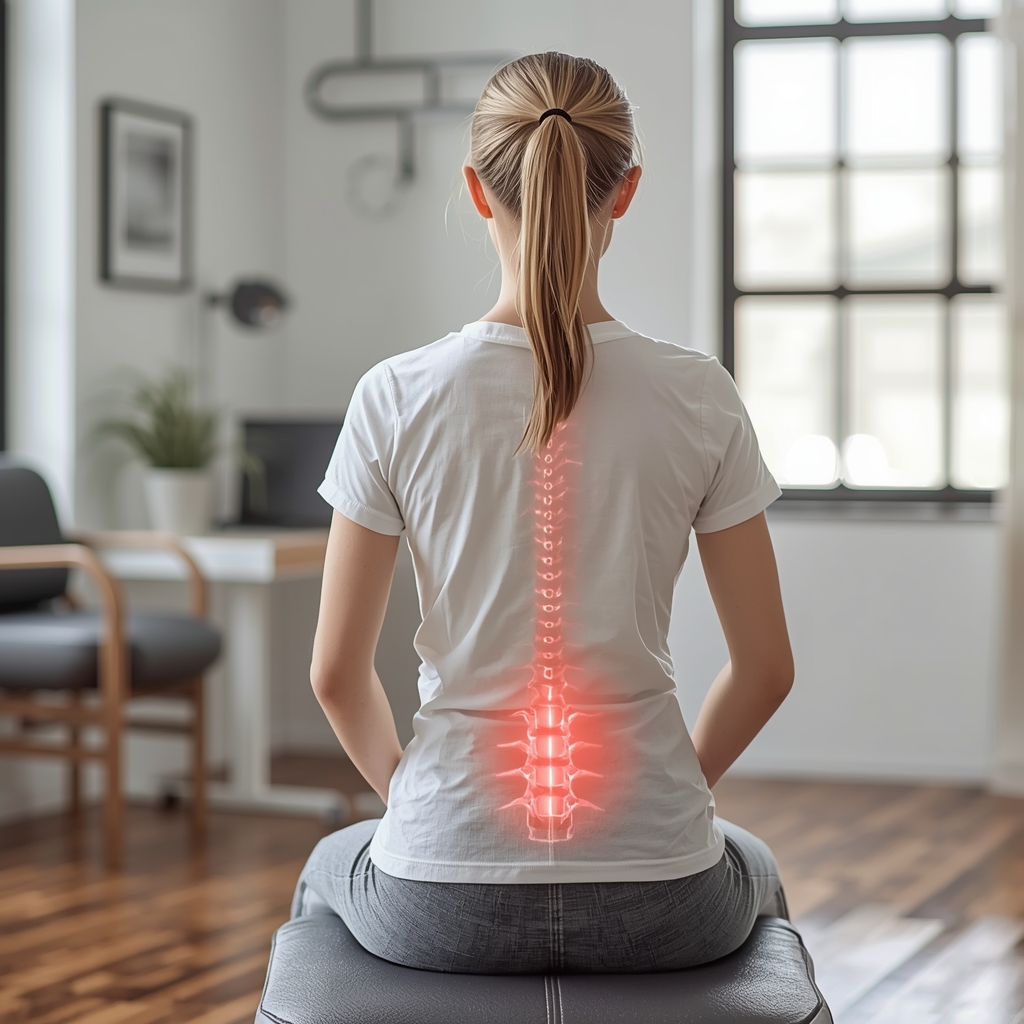
Understanding Scoliosis in Adolescents
Scoliosis refers to an abnormal sideways curvature of the spine, often diagnosed during adolescence. While mild cases may require monitoring, moderate curves can benefit from interventions like spinal adjustments and postural assessments. These approaches aim to support spinal alignment and reduce progression. However, treatment decisions should always involve a qualified chiropractor, as each case varies. Family-centered care emphasizes collaboration between parents, teens, and healthcare providers to create personalized plans. This model ensures that adolescents feel empowered in their care while families receive guidance on at-home support. Understanding scoliosis’s impact on posture, mobility, and long-term health is the first step in exploring safe, evidence-based options.
Spinal Adjustments for Scoliosis Management
Spinal adjustments, a cornerstone of chiropractic care, involve manual manipulations to improve spinal alignment. For adolescents with scoliosis, these adjustments may help alleviate pressure on nerves and muscles, potentially reducing discomfort. However, the effectiveness of adjustments depends on the curve’s severity, type, and the patient’s overall health. Chiropractors use gentle techniques tailored to growing spines, avoiding high-velocity thrusts that could risk injury. Families should discuss the specific methods proposed, as some approaches prioritize soft tissue work over direct spinal manipulation. While adjustments alone may not correct curvature, they can complement other strategies like exercise and posture training in a comprehensive care plan.
Postural Assessments and Their Role
Postural assessments evaluate how an adolescent’s body aligns during standing, sitting, and movement. These evaluations help identify imbalances that may contribute to or worsen scoliosis. Chiropractors use visual inspections, range-of-motion tests, and sometimes imaging to map postural deviations. This data informs treatment strategies, such as recommending corrective exercises or ergonomic adjustments. Families play a vital role in monitoring posture at home, encouraging habits like proper sitting and strengthening routines. Postural assessments also track progress over time, allowing for adjustments to the care plan as the teen grows. When integrated with other therapies, these assessments support a proactive approach to managing scoliosis within a family-centered framework.
Family-Centered Care in Scoliosis Management
A family-centered care model prioritizes open communication, shared decision-making, and emotional support for adolescents with scoliosis. Parents and caregivers are encouraged to participate in consultations, ask questions, and understand treatment goals. This approach helps teens feel more involved in their care, fostering adherence to recommendations. Chiropractors may provide resources for families to support posture, movement, and lifestyle changes at home. Regular follow-ups ensure that the care plan evolves with the adolescent’s needs. By involving the entire family, this model addresses not only physical health but also the psychological aspects of living with a spinal condition. It emphasizes teamwork between healthcare providers and families to achieve the best outcomes.
Safety Considerations for Adolescent Care
Ensuring safety is critical when addressing scoliosis in adolescents, as their spines are still developing. Chiropractors must use age-appropriate techniques, avoiding methods that could strain growing bones or soft tissues. Before any treatment, a thorough evaluation—including medical history and imaging if needed—helps identify contraindications. Families should verify a chiropractor’s credentials and experience with pediatric cases. While spinal adjustments are generally safe when performed correctly, risks like temporary soreness or minor discomfort may occur. Open dialogue between families and providers helps address concerns and set realistic expectations. Safety also involves monitoring for signs of progression, ensuring interventions align with the adolescent’s unique needs and growth patterns.
Effectiveness and Evidence-Based Approaches
The effectiveness of spinal adjustments and postural assessments for scoliosis remains an area of ongoing research. While some studies suggest these methods may support symptom management and posture, they are not a substitute for medical evaluations or interventions like bracing or surgery in severe cases. Chiropractors often collaborate with orthopedic specialists to ensure comprehensive care. Families should seek practitioners who emphasize evidence-based practices and transparency about treatment limitations. Combining chiropractic care with physical therapy, exercise, and regular monitoring offers the most balanced approach. Ultimately, the goal is to improve quality of life while respecting the adolescent’s autonomy and the family’s preferences in decision-making.













