
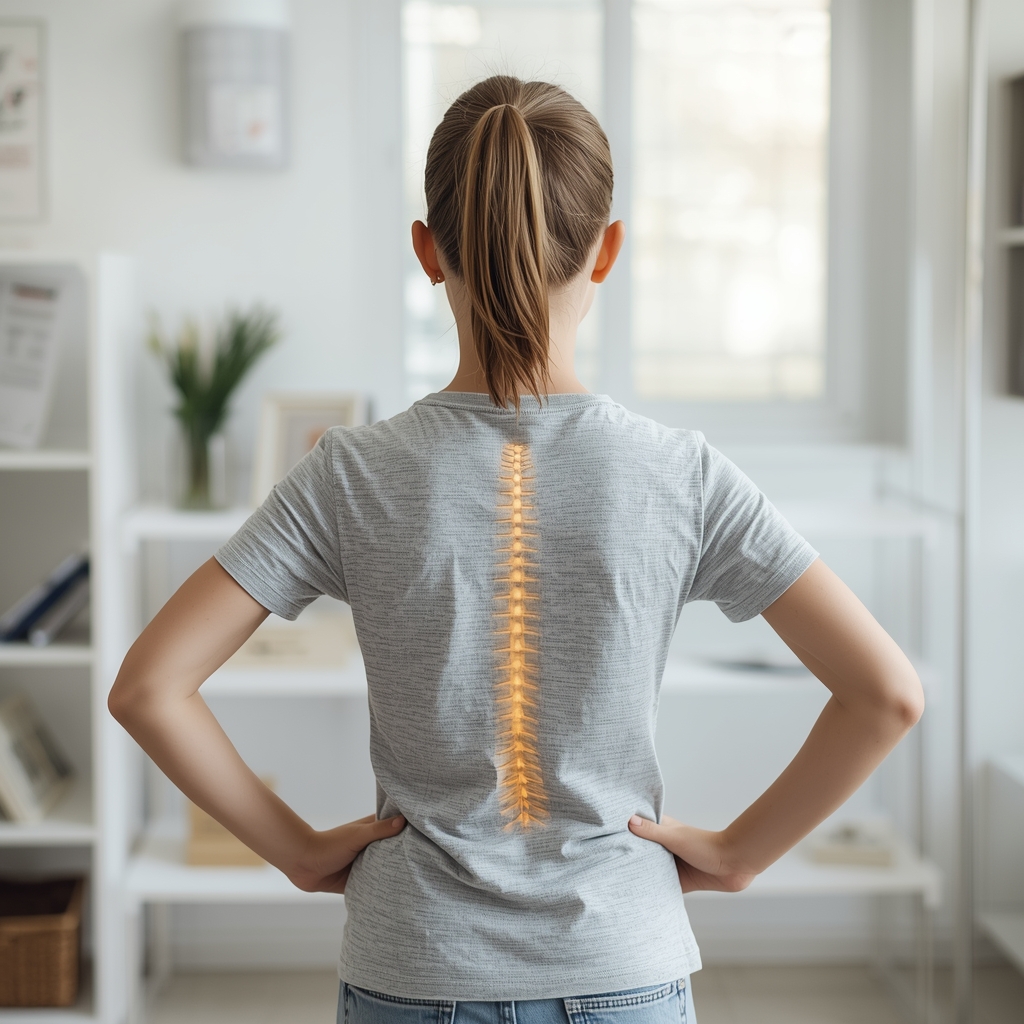
Understanding Family-Centered Chiropractic Care for Pediatric Scoliosis
Family-centered chiropractic care emphasizes collaboration between healthcare providers and caregivers to address pediatric scoliosis and posture concerns. This approach recognizes that children’s spinal health is deeply influenced by their home environment, habits, and family dynamics. For conditions like scoliosis, which involves abnormal spinal curvature, a holistic strategy that includes regular chiropractic evaluations, lifestyle adjustments, and parental support can foster better outcomes. Families play a critical role in monitoring symptoms, encouraging movement, and ensuring adherence to care plans. By involving parents and guardians in decision-making, chiropractors can create tailored strategies that align with a child’s unique needs and family routines.
The Role of Family Involvement in Posture Development
Adolescent posture issues often stem from prolonged sitting, screen time, or poor ergonomics, making family involvement essential. Parents can model healthy habits, such as maintaining good posture during daily activities or setting limits on sedentary behavior. Chiropractors may recommend family-based exercises to strengthen core muscles and improve alignment, which can be practiced together at home. Open communication between caregivers and healthcare providers ensures that posture correction efforts are consistent and adaptable. For instance, a family might work with a chiropractor to create a routine that includes stretching, ergonomic adjustments, and regular check-ins to track progress. This partnership not only supports the child’s physical health but also reinforces a culture of wellness within the household.
Non-Invasive Techniques for Scoliosis Management
Chiropractors often use non-invasive techniques to address pediatric scoliosis, focusing on gentle spinal adjustments and soft tissue therapies. These methods aim to reduce discomfort, improve mobility, and support the spine’s natural alignment. Families may find that combining these treatments with home exercises enhances their child’s comfort and flexibility. For example, spinal adjustments can help alleviate pressure on nerves, while myofascial release techniques may ease muscle tension contributing to postural imbalances. It’s important for families to understand that these approaches are typically part of a broader care plan, which may include referrals to specialists or additional therapies. By staying informed and engaged, parents can help ensure their child receives comprehensive, coordinated care.
Posture Correction Strategies for Adolescents
Adolescents experiencing posture issues, such as rounded shoulders or forward head positioning, benefit from targeted chiropractic interventions. These may include postural retraining exercises, ergonomic assessments, and adjustments to daily habits. Families can support these efforts by creating environments that encourage proper alignment, such as adjusting desk setups or promoting regular movement breaks. Chiropractors may also recommend corrective exercises that can be practiced at home, helping adolescents develop long-term habits. For instance, a family might work with a provider to incorporate stretching routines into a teenager’s daily schedule. By addressing posture proactively, families can reduce the risk of chronic pain and support their child’s overall physical development.
Monitoring Progress and Adjusting Care Plans
Regular monitoring is key to ensuring the effectiveness of chiropractic care for pediatric scoliosis and posture issues. Families should maintain open communication with their chiropractor to track changes in symptoms, mobility, and overall well-being. Adjustments to care plans may be necessary as a child grows or as new challenges arise. For example, a growing adolescent might require more frequent sessions or modified exercises to address evolving postural needs. Parents can also play a role in observing subtle changes, such as shifts in gait or discomfort during activities. By staying proactive, families can help their child’s care remain responsive and effective, fostering a sense of partnership in the treatment process.
When to Seek Professional Guidance
If a child exhibits signs of scoliosis, such as uneven shoulders, a visible curve in the spine, or persistent back pain, families should consult a qualified chiropractor or orthopedic specialist. Early intervention is critical for managing scoliosis and preventing complications. Chiropractors can assess the spine’s condition and recommend appropriate strategies, which may include adjustments, exercises, or referrals for further evaluation. Families should also seek guidance if posture-related concerns interfere with daily activities or cause discomfort. A healthcare provider can offer personalized recommendations and address any questions about treatment options. By prioritizing professional care, families can ensure their child receives safe, evidence-based support for their spinal health.















