
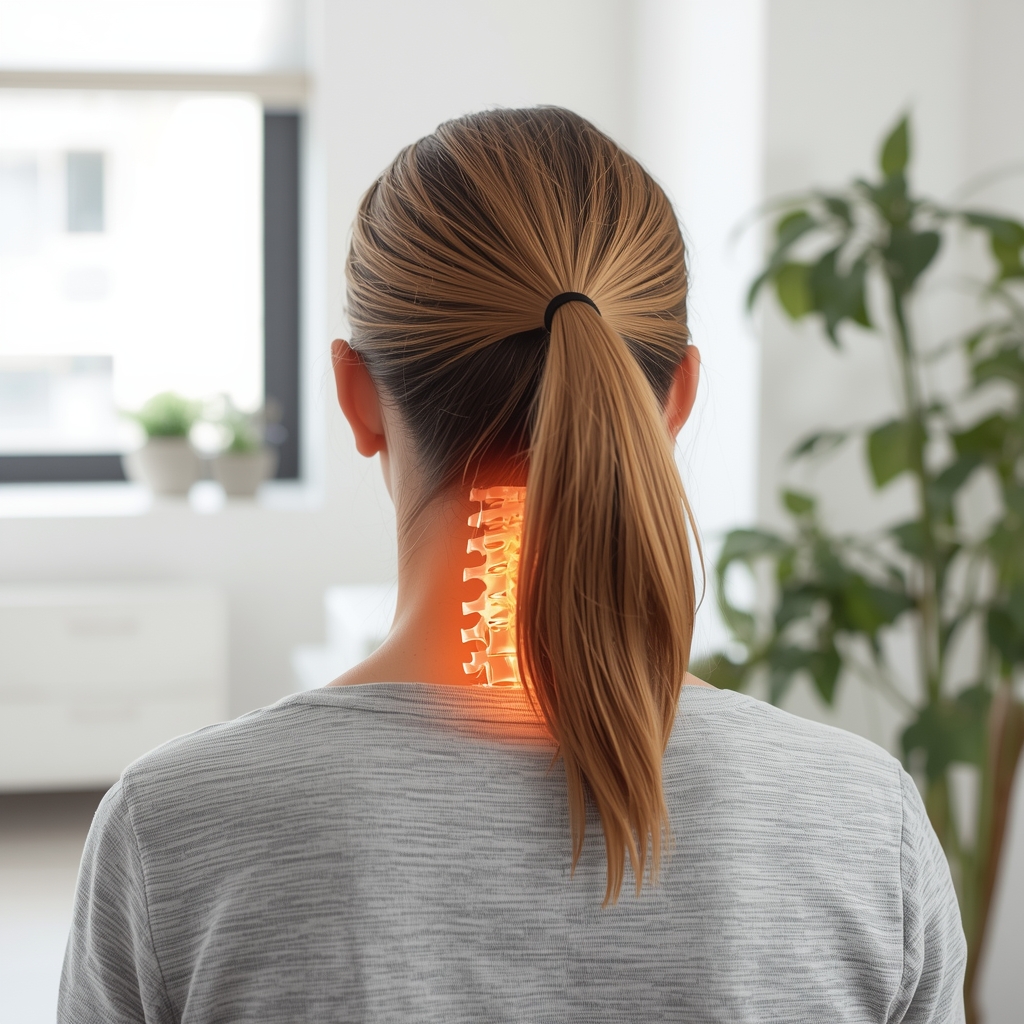
Non-Surgical Options for Cervical Herniated Discs
For individuals dealing with cervical herniated discs, non-surgical chiropractic care offers alternatives to spinal fusion. These approaches focus on reducing pressure on the spine, alleviating pain, and improving mobility. Techniques such as spinal manipulation, decompression therapy, and soft tissue work are commonly used. The goal is to address the root causes of discomfort rather than just managing symptoms. Many patients find these methods effective in avoiding invasive procedures. However, results can vary, and it’s essential to consult a qualified chiropractor to determine the best plan for individual needs.
Spinal Manipulation and Adjustments
Spinal manipulation, a cornerstone of chiropractic care, involves precise adjustments to the cervical spine. This technique aims to restore proper alignment, reduce nerve irritation, and enhance joint function. For cervical herniated discs, adjustments can help relieve pressure on affected nerves, potentially easing pain and improving range of motion. While some studies suggest benefits, outcomes depend on the patient’s condition and the chiropractor’s expertise. It’s crucial to seek care from a licensed professional to minimize risks. Spinal manipulation is often part of a broader treatment strategy rather than a standalone solution.
Decompression Therapy for Cervical Discs
Spinal decompression therapy is a non-invasive method used to treat herniated discs by gently stretching the spine. This process creates negative pressure in the discs, which may help reposition bulging material and reduce nerve compression. For cervical discs, it can alleviate pain caused by pressure on spinal nerves. Many patients report reduced discomfort and improved function after a series of sessions. While not a guaranteed cure, decompression therapy is often recommended as part of a comprehensive care plan. Its effectiveness varies, so discussing options with a chiropractor is essential to determine suitability.
Soft Tissue and Therapeutic Exercises
Soft tissue therapies, such as massage and myofascial release, can complement chiropractic care by addressing muscle tension around the cervical spine. Tight muscles can exacerbate disc-related pain, so relaxing these areas may improve overall outcomes. Therapeutic exercises, including neck stretches and strengthening routines, also play a role in recovery. These exercises help stabilize the spine, reduce strain, and promote long-term mobility. A chiropractor can design a personalized program to address specific needs. Combining these approaches with other interventions often yields better results than relying on a single method.
Posture Correction and Ergonomic Adjustments
Poor posture is a common contributor to cervical disc issues, as it increases stress on the spine. Chiropractors often emphasize posture correction to alleviate pressure on herniated discs. This may involve adjustments to sitting, standing, and sleeping positions. Ergonomic modifications, such as proper desk setup or pillow selection, can also support spinal health. By addressing daily habits, patients may experience lasting relief from symptoms. These strategies are typically part of a holistic approach, working alongside other treatments to optimize recovery and prevent future complications.
When to Consider Surgery and Alternatives
While non-surgical options are often effective, some cases may require surgical intervention. Chiropractors can help patients understand when surgery might be necessary and explore alternatives first. Factors like persistent pain, neurological deficits, or failed conservative treatments may indicate the need for surgery. However, many individuals find relief through chiropractic care without proceeding to fusion. Open communication with a healthcare provider is key to making informed decisions. Exploring all options ensures patients choose the approach that best aligns with their health goals and lifestyle.













