
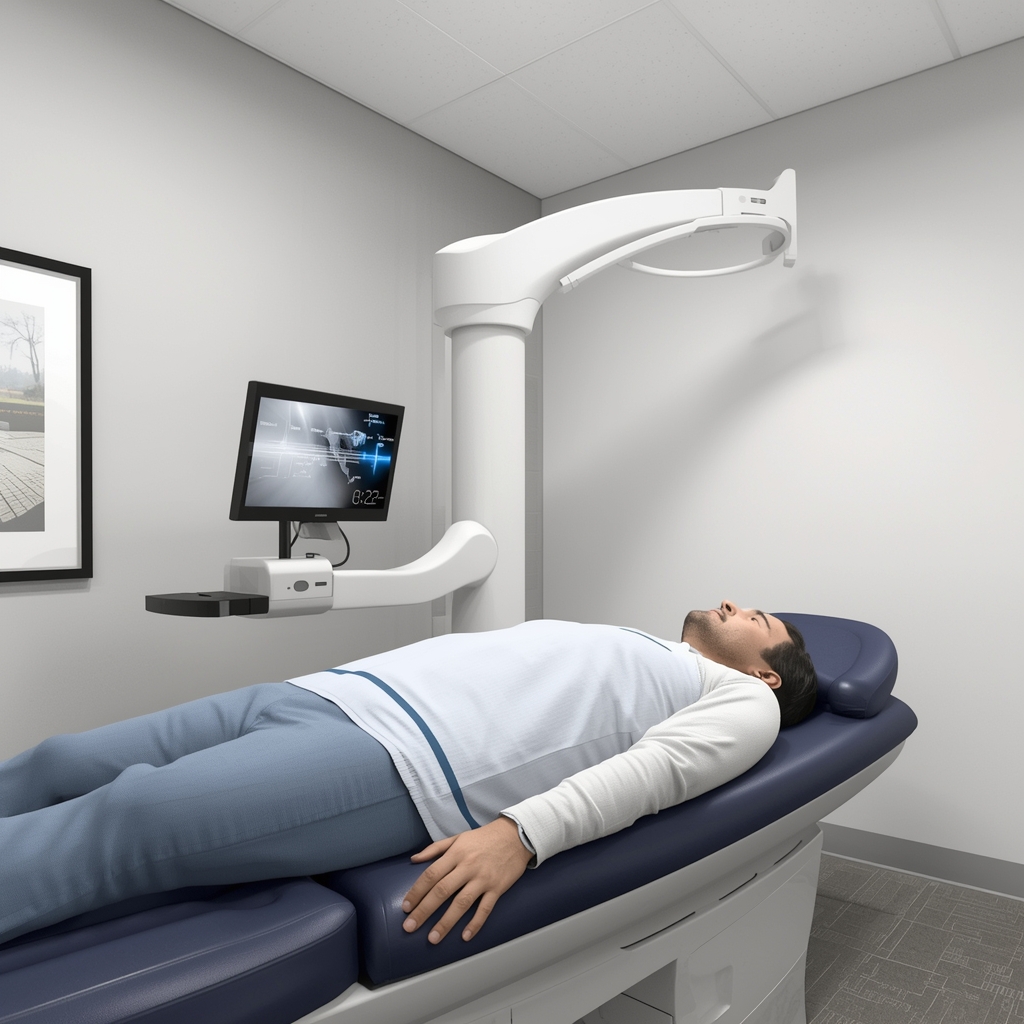
Understanding Cold Laser Therapy for Degenerative Disc Disease
Cold laser therapy, also known as low-level laser therapy (LLLT), uses specific wavelengths of light to stimulate cellular function and reduce inflammation. For degenerative disc disease (DDD), this non-invasive approach aims to alleviate pain and support disc health by promoting tissue repair. While not a standalone cure, it is often used alongside other conservative treatments. The therapy works by enhancing ATP production in cells, which can reduce inflammation and encourage healing. Patients typically experience sessions lasting minutes, with multiple sessions recommended over weeks. Its appeal lies in minimal side effects compared to surgical or pharmacological options, making it a popular choice for those seeking drug-free alternatives.
How Cold Laser Protocols Target Disc Degeneration
Protocols for DDD involve precise application of laser energy to the affected spinal regions. Practitioners may use devices with specific wavelengths (often near-infrared or red light) to penetrate tissues and stimulate biological processes. The goal is to reduce disc inflammation, improve nutrient flow, and potentially slow degenerative changes. Treatment plans vary, but sessions are usually scheduled several times a week for several weeks. Some practitioners combine cold laser with other modalities like ultrasound or electrical stimulation for enhanced effects. While research is ongoing, many patients report reduced pain and improved mobility, suggesting potential benefits for disc-related discomfort.
Evidence Supporting Non-Surgical Cold Laser Use
While large-scale clinical trials on cold laser therapy for DDD are limited, some studies indicate its potential to reduce inflammation and pain. Research suggests that laser therapy may modulate pain signals and support tissue regeneration, though results vary among individuals. Patients often report subjective improvements in comfort and function, which can complement traditional therapies like physical therapy or chiropractic adjustments. It is important to note that cold laser therapy is not a replacement for comprehensive care but may serve as an adjunct. Ongoing studies continue to explore its efficacy, with some evidence pointing to its role in managing chronic disc-related conditions without invasive procedures.
Key Considerations for Effective Protocols
Successful cold laser therapy for DDD depends on factors like device quality, treatment frequency, and practitioner expertise. Consistency in sessions is critical, as sporadic use may yield limited results. Patients should work with licensed professionals to tailor protocols to their specific needs, considering disc location, severity, and overall health. While generally safe, improper use can lead to minimal side effects like temporary warmth or skin irritation. Integrating cold laser with other non-surgical strategies—such as exercise, posture correction, or ergonomic adjustments—may enhance outcomes. Open communication with a healthcare provider ensures the approach aligns with broader treatment goals.
Combining Cold Laser with Other Non-Surgical Approaches
Cold laser therapy is often part of a multifaceted plan to manage DDD. It may be paired with physical therapy to strengthen spinal support structures, or with chiropractic adjustments to improve alignment. Pain management techniques like heat therapy or massage can also complement its effects. Patients are encouraged to maintain regular movement and avoid prolonged inactivity, which can worsen disc degeneration. While cold laser alone may not reverse disc damage, its role in reducing inflammation and pain can make other therapies more effective. A holistic approach addressing biomechanics, lifestyle, and overall wellness tends to yield the best long-term results.
Consulting a Professional for Personalized Care
Before starting cold laser therapy, individuals with DDD should consult a qualified chiropractor or healthcare provider. A professional can assess the condition’s severity, recommend appropriate protocols, and monitor progress. Not all devices or practitioners are equally effective, so seeking certified expertise is essential. Patients should discuss expectations, potential benefits, and any contraindications. While cold laser therapy offers a non-invasive option, it is one of many tools available. A personalized plan considering the patient’s unique needs and medical history ensures the safest and most effective approach to managing degenerative disc disease.














