
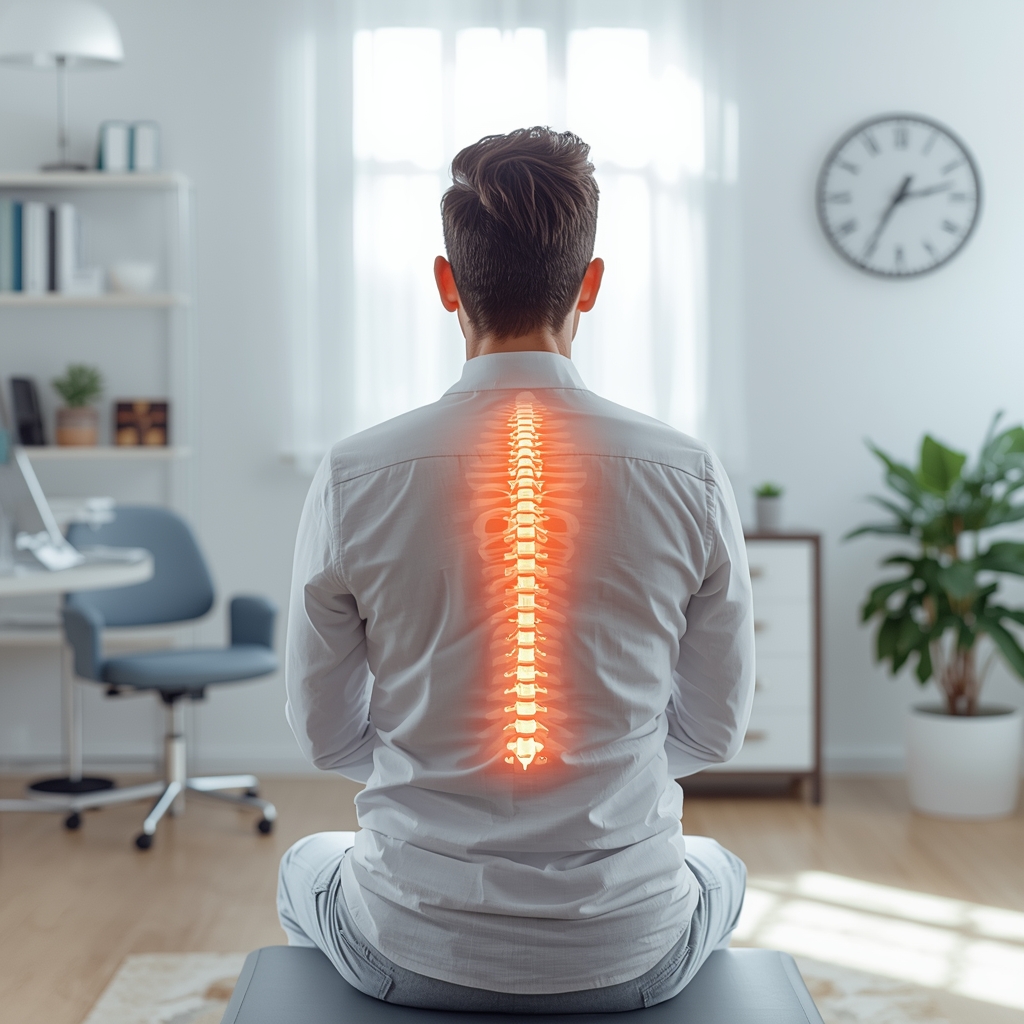
Understanding Chronic Whiplash and Its Challenges
Chronic whiplash occurs when neck injuries from sudden acceleration-deceleration forces persist beyond the typical recovery period, often leading to long-term pain, reduced mobility, and neurological symptoms. Unlike acute cases, chronic whiplash requires sustained, multifaceted care to address structural, muscular, and functional imbalances. The complexity of these injuries means recovery is not linear, and patients may experience flare-ups or lingering discomfort. Multimodal chiropractic approaches are designed to tackle these challenges by combining techniques that restore alignment, reduce inflammation, and promote neuromuscular retraining. This holistic strategy acknowledges that no single intervention works for everyone, emphasizing personalized care plans tailored to each patient’s unique needs and progress over time.
Spinal Adjustments and Joint Mobilization
Spinal adjustments remain a cornerstone of chiropractic care for chronic whiplash, focusing on realigning the cervical spine to alleviate pressure on nerves and joints. These precise manipulations help restore proper biomechanics, reducing pain and improving range of motion. When combined with joint mobilization techniques, which gently move joints through their natural range, adjustments can enhance flexibility and decrease stiffness. This approach is particularly effective for addressing subluxations—misalignments that disrupt nerve function and contribute to persistent symptoms. By restoring optimal spinal function, chiropractors create a foundation for other therapies to build upon, ensuring the body can heal more effectively over time.
Soft Tissue Therapy and Myofascial Release
Chronic whiplash often leads to tightness, spasms, and adhesions in the neck and shoulder muscles, which can perpetuate pain and limit mobility. Soft tissue therapies like Active Release Technique (ART) and myofascial release target these issues by breaking down scar tissue and restoring muscle elasticity. These methods improve blood flow, reduce inflammation, and relieve tension that may be contributing to nerve irritation. When integrated with spinal adjustments, soft tissue work helps ensure muscles support proper alignment rather than pulling the spine out of balance. This dual focus on structural and muscular health is critical for long-term recovery, as it addresses both the mechanical and physiological aspects of whiplash injuries.
Corrective Exercises and Postural Retraining
Strengthening and retraining the muscles around the neck and upper back is essential for long-term whiplash recovery. Corrective exercises, such as isometric contractions and resistance training, help stabilize the cervical spine and improve posture. These exercises are often tailored to individual needs, focusing on weak or overactive muscles that may contribute to ongoing discomfort. Postural retraining complements this by teaching patients how to maintain proper alignment during daily activities, reducing strain on the neck. When combined with manual therapies, these strategies create a sustainable framework for recovery, empowering patients to actively participate in their healing process and prevent future complications.
Integrative Approaches for Comprehensive Care
Chiropractors often incorporate additional therapies to enhance the effectiveness of traditional treatments for chronic whiplash. Modalities like cold laser therapy, electrical stimulation, and ultrasound can reduce inflammation and promote tissue repair, while acupuncture may help alleviate pain and improve nerve function. These integrative approaches are used alongside spinal adjustments and soft tissue work to create a synergistic effect. By addressing multiple aspects of the injury—pain, inflammation, and neuromuscular function—chiropractors provide a more comprehensive solution. This layered strategy is especially valuable for patients with complex or persistent symptoms, offering a broader range of tools to support long-term recovery.
Monitoring Progress and Adapting Care Plans
Long-term recovery from chronic whiplash requires ongoing evaluation and adjustments to the care plan. Regular assessments allow chiropractors to track progress, identify areas needing further attention, and modify treatments as the patient’s condition evolves. This may involve adjusting the frequency of adjustments, introducing new therapies, or refining exercise programs. Open communication between the patient and provider is crucial, ensuring that care remains responsive to changing needs. By maintaining a dynamic, patient-centered approach, chiropractors help individuals achieve lasting relief and improved quality of life. This commitment to continuous care underscores the importance of a collaborative partnership in managing chronic whiplash effectively.













