
The Vagus Nerve and Digestive Function
The vagus nerve, a key component of the parasympathetic nervous system, plays a central role in regulating digestion. It sends signals between the brain and the gastrointestinal tract, controlling processes like stomach acid production, nutrient absorption, and peristalsis—the wave-like muscle contractions that move food through the digestive system. When the vagus nerve functions optimally, it promotes efficient digestion and overall gut health. However, disruptions in its activity, such as from stress, injury, or nerve compression, can lead to issues like bloating, constipation, or indigestion. Understanding this nerve’s role highlights how the nervous system directly influences digestive motility, setting the stage for exploring how chiropractic care might support its function.
Spinal Adjustments and Nervous System Communication
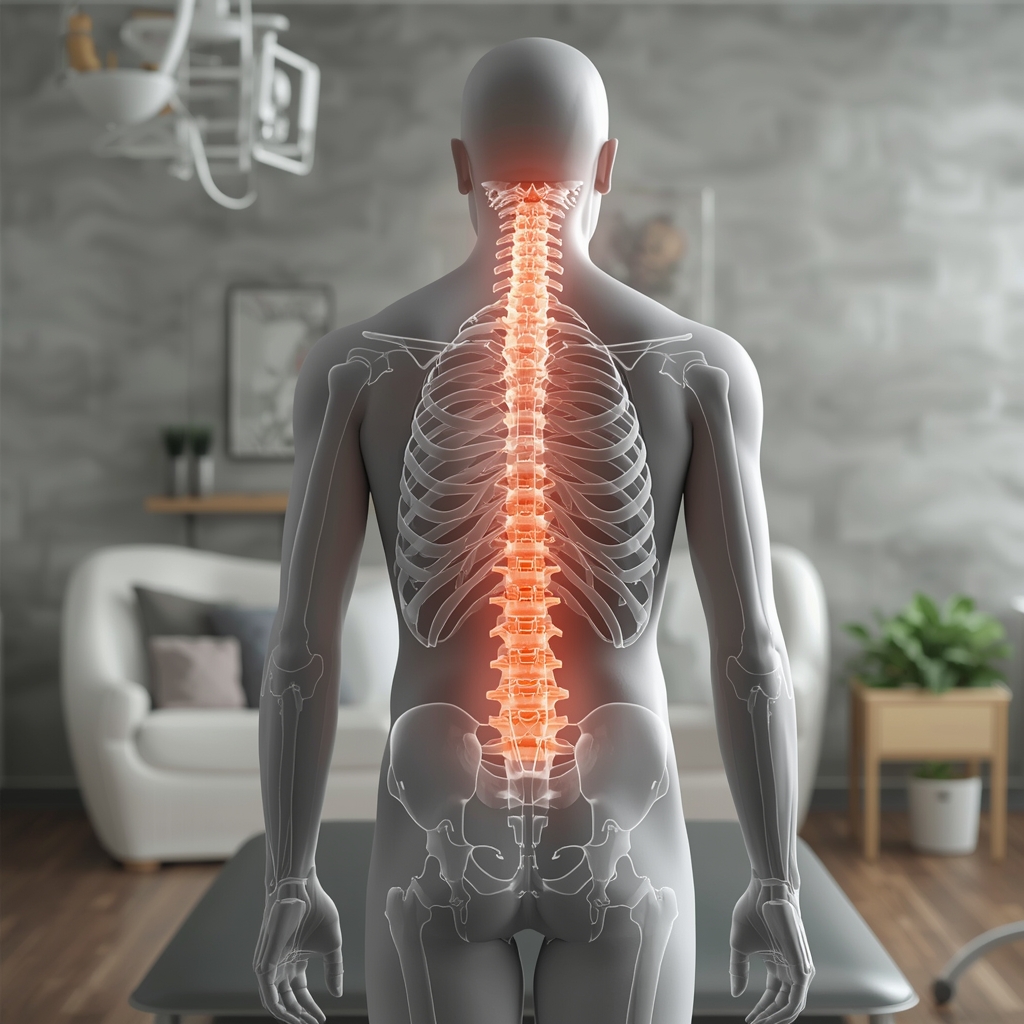
Spinal adjustments, a cornerstone of chiropractic care, aim to correct misalignments in the spine that may interfere with nerve function. The spine houses and protects the spinal cord, which serves as a primary pathway for nerve signals throughout the body. When vertebrae are out of alignment, they can compress or irritate nerves, disrupting communication between the brain and organs. By realigning the spine, adjustments may reduce such interference, allowing nerves—including those connected to the vagus nerve—to function more effectively. This improved nervous system communication can, in turn, support the body’s natural processes, including digestive motility, by ensuring signals from the brain reach the gut efficiently.
The Link Between Spinal Health and Vagus Nerve Activity
The vagus nerve’s pathway extends from the brainstem down through the neck and into the abdomen, making the cervical spine a critical area for its function. Misalignments in the upper spine, particularly in the neck, could theoretically affect the vagus nerve’s ability to transmit signals. Chiropractic adjustments targeting these areas may help alleviate pressure on the nerve, potentially enhancing its activity. While research on this specific connection is limited, many chiropractors observe that patients with digestive issues often report improvements after spinal adjustments. This suggests a possible relationship between spinal health and vagus nerve function, though further studies are needed to fully understand the mechanisms at play.
How Chiropractic Care May Support Digestive Motility
By addressing spinal misalignments, chiropractic care may indirectly support digestive motility through its impact on the nervous system. A properly aligned spine can optimize nerve function, allowing the vagus nerve to regulate digestion more effectively. Patients with conditions like irritable bowel syndrome (IBS) or slow digestion sometimes find relief through chiropractic interventions, though individual results vary. While not a substitute for medical treatment, these adjustments may complement other approaches by reducing nerve interference and promoting overall bodily balance. It’s important to note that the connection between spinal health and digestion is part of a broader network of interactions, and a chiropractor can help assess how this might apply to a person’s specific needs.
Research and Evidence in Chiropractic and Vagus Nerve Interaction
Current scientific research on the direct relationship between spinal adjustments and vagus nerve stimulation remains limited. However, studies on the nervous system’s role in digestion and the effects of spinal manipulation on nerve function provide a foundation for further exploration. Some evidence suggests that chiropractic care may influence autonomic nervous system activity, which includes the vagus nerve’s regulatory role. While these findings are preliminary, they highlight the potential for chiropractic interventions to support digestive health. Patients interested in this approach should discuss their options with a qualified chiropractor, who can provide personalized guidance based on their unique condition and medical history.
Consulting a Chiropractor for Digestive Health
If you’re experiencing digestive issues, consulting a chiropractor may offer an additional perspective on managing your symptoms. While spinal adjustments are not a cure for digestive disorders, they may help address underlying nervous system imbalances that contribute to motility challenges. A chiropractor can evaluate your spine and nervous system function, identifying areas of misalignment that might interfere with vagus nerve activity. They can also recommend a tailored care plan that may include adjustments, lifestyle advice, or referrals to other healthcare professionals. As with any health-related decision, it’s essential to work with a licensed provider who can ensure your approach is safe and appropriate for your specific situation.














